









Introduction: Understanding Root Canals
A root canal might sound intimidating, often linked to pain or something unpleasant. However, the procedure itself is far from the fearful reputation it has earned over the years. In reality, it’s a routine treatment designed to bring relief from severe discomfort caused by infection or damage deep inside your tooth. When the soft tissue, or pulp, inside a tooth becomes infected due to decay, the resulting pain can be unbearable, sometimes leading to swelling and even an abscess. This is when a visit to the dentist becomes essential. The symptoms like toothache, heightened sensitivity, or pressure should not be ignored.
Root canals are often necessary when damage to the tooth is so significant that leaving it untreated would affect your overall oral health. The modern root canal procedure is designed to explain and address these issues quickly, so that you don’t have to live with the constant pain or sensitivity. Once the procedure is done, you’ll experience significant relief and can continue on with your normal life, no longer bothered by the mystery of what that pain was. Don’t wait too long to seek treatment; early consultation with your dentist can help you avoid much more serious complications down the road.
Root Canal: What Exactly is It?
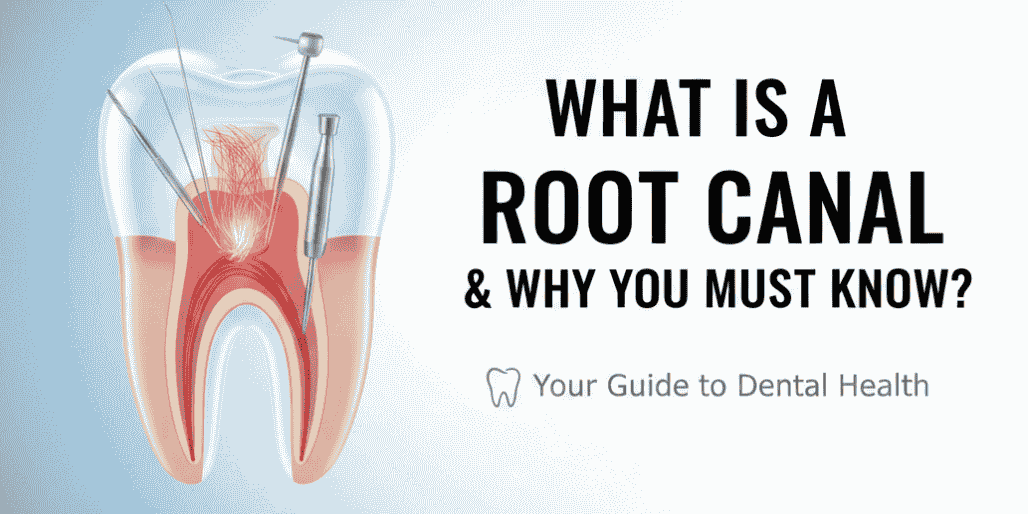
A root canal is a dental procedure designed to address infection or damage in the pulp of a tooth. The pulp is the soft tissue inside the tooth, which houses the nerves, blood vessels, and connective tissue. When the pulp becomes inflamed or infected—often due to decay, cracks, or trauma—it can lead to intense pain or sensitivity in the affected area. Left untreated, this infection may spread, causing a tooth abscess and potentially resulting in tooth loss.
During a root canal, the dentist carefully removes the infected pulp, cleans and disinfects the inside of the tooth, and fills it with a biocompatible material. The procedure restores the functionality of the tooth and provides lasting relief from pain. Afterward, a crown is typically placed on the tooth to enhance its strength and durability. This process not only relieves pain but also saves your natural tooth and prevents the need for extraction.
Is a Root Canal Painful?
One of the biggest worries patients have about a root canal is whether it will be painful. The truth is, modern anesthesia and advanced techniques have made this procedure much more comfortable than many people think. In fact, most patients experience relief from the pain caused by the infection right after the procedure is completed. The discomfort that patients often associate with a root canal is typically much less than the pain caused by the infection itself, which is what root canals are designed to treat.
Preventing the Need for a Root Canal
The therapy involved in a root canal removes the damaged tissue, and once it is finished, most people feel an improvement right away. The procedure itself is not much more uncomfortable than getting a regular filling. Root canals are often a necessary step to ensure the health of your tooth, preventing further damage and providing much-needed relief. So, if you are feeling discomfort from a tooth infection, a root canal could be just the treatment you need to restore your oral health.
To avoid needing a root canal, maintaining a good oral hygiene routine is essential. Simple habits can help prevent serious tooth issues like cavities. Make sure you brush your teeth twice daily using fluoridated toothpaste or a fluoride rinse. It’s also important to floss at least once a day to clean between your teeth and remove any plaque. Regular check-ups with your dentist can identify potential problems early on. Eating too many sugary foods or processed carbs can lead to plaque that clings to your teeth, so try to limit these foods. After eating sweet meals, make sure to rinse your mouth or brush your teeth right away to keep your smile healthy.
Conclusion
A root canal is a common dental operation that involves removing inflamed or diseased pulp inside the tooth. When you experience sensitivity while you touch or chew food, it may indicate significant dental decay or even nerve damage. This pain often comes from the infection of the pulp, where nerves and blood vessels are located. Additionally, edema or swelling near the root tip region can occur due to the accumulation of acidic waste products from dead pulp tissues. When the pulp becomes infected or damaged, a root canal treatment helps save the tooth by clearing away the infection and preventing further complications.