







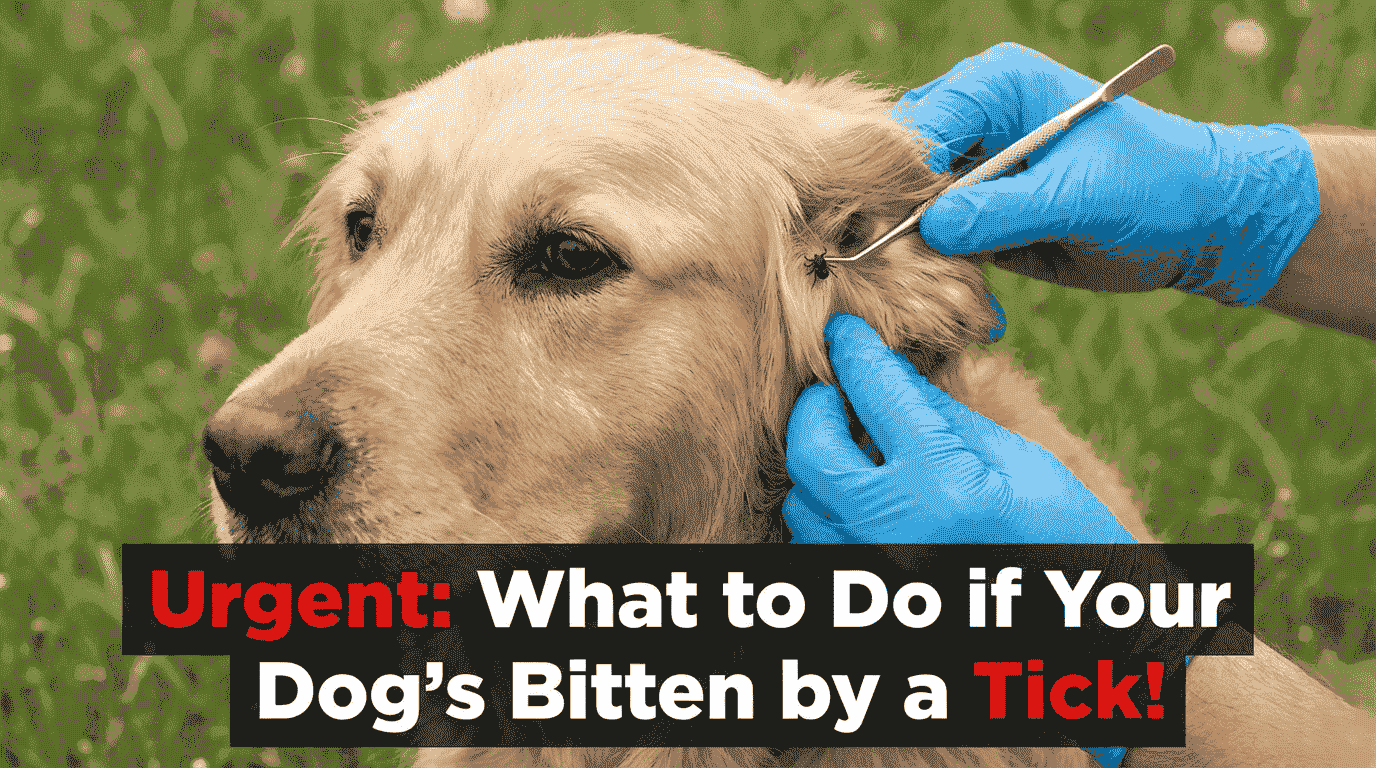
From my own experience, I’ve seen how overwhelming it can feel when a dog is affected by ticks. Many pet owners don’t realize how serious the health risks are until they notice the symptoms. That’s why knowing how to identify the signs and act quickly can save a lot of stress and potential harm to your pet’s health.
How to Keep Your Dog Safe from Tick Bites
Ticks are a major threat to your dog, but with the right precautions, you can significantly prevent your dog from getting bitten. One of the best ways to protect your dog is by using veterinarian-prescribed tick medication. These medications provide varying levels of protection, and your vet can help you choose the best one based on your dog’s weight and overall health. I always recommend discussing with your vet to ensure you get the right product for your pet.
Another essential strategy is to control the tick population around your home. If you notice ticks in your yard, take action by removing areas that make good tick habitats. Keeping your lawn short and free of tall grass can give ticks fewer places to lie in wait for you or your pets to pass by. In some cases, it might be worth contacting a professional tick control company like Dixon Pest Services for home tick extermination to reduce the amount of ticks around your property.
Monitoring for Symptoms of Tick-Borne Diseases
After you remove the tick from your dog, it’s important to closely monitor them for any signs of illness. Tick-borne diseases can cause a range of symptoms, and early detection is crucial for effective treatment. Some of the common symptoms to watch for include fever, lethargy, loss of appetite, and even joint pain or swelling. If your dog starts showing signs like vomiting or diarrhea, don’t wait too long to seek help.
Preventing Future Tick Bites
To protect your dog from the risk of tick bites, it’s important to have a solid strategy in place. Prevention through effective preventive measures can help reduce the likelihood of ticks and the diseases they carry. A regular check-up and timely treatments can significantly lower your dog’s exposure to these pests, keeping them healthy and safe.
Preventing Tick Bites in Dogs
When your dog is at risk of getting bitten by a tick, using tick preventives can be a game-changer. There are different types of preventives available, like topical treatments, oral medications, and tick collars. Choosing the best option depends on your dog’s lifestyle and health needs, so it’s always a good idea to consult your veterinarian. They can help guide you to the most suitable treatments based on your pet’s condition. Make sure to keep up with regular checks to ensure the preventives are working as intended.
Routine Tick Inspections
After spending time outside in wooded or grassy areas, it’s important to perform regular tick checks on your dog. Make sure to pay close attention to spots like the ears, neck, and toes, where ticks are likely to attach. Always check these areas carefully to avoid any harmful bites.
Maintaining a Safe Yard for Your Dog
To keep your dog safe from ticks, ensure your yard remains tick-free. This can be done by mowing the grass regularly and removing any leaf litter that might hide ticks. Create a natural barrier between the wooded areas and your lawn using materials like wood chips or gravel. It’s a simple strategy, but it works well to protect your dog from these harmful pests. In my experience, these small steps make a significant difference in preventing tick bites.
Protecting Your Dog from Tick-Borne Risks
If your dog has been bitten by a tick, it’s essential to address the issue promptly. Acting quickly can prevent serious health issues later on. A tick bite can carry diseases that pose a threat to your dog’s safety and well-being. Monitoring your dog for any unusual symptoms after a tick bite is crucial. In many cases, the steps for dealing with a tick bite include removing the tick effectively, cleaning the area, and watching for signs of infection.
To avoid these potential risks in the future, it’s vital to follow the preventive measures recommended by your veterinarian. Applying tick protection treatments, such as tick collars or monthly medications, is an effective way to safeguard your dog. If you notice any strange reactions or if the symptoms worsen, it’s necessary to consult with a veterinarian immediately for the best course of action. The earlier you address a tick bite, the better the outcome for your pet’s health.