



Introduction
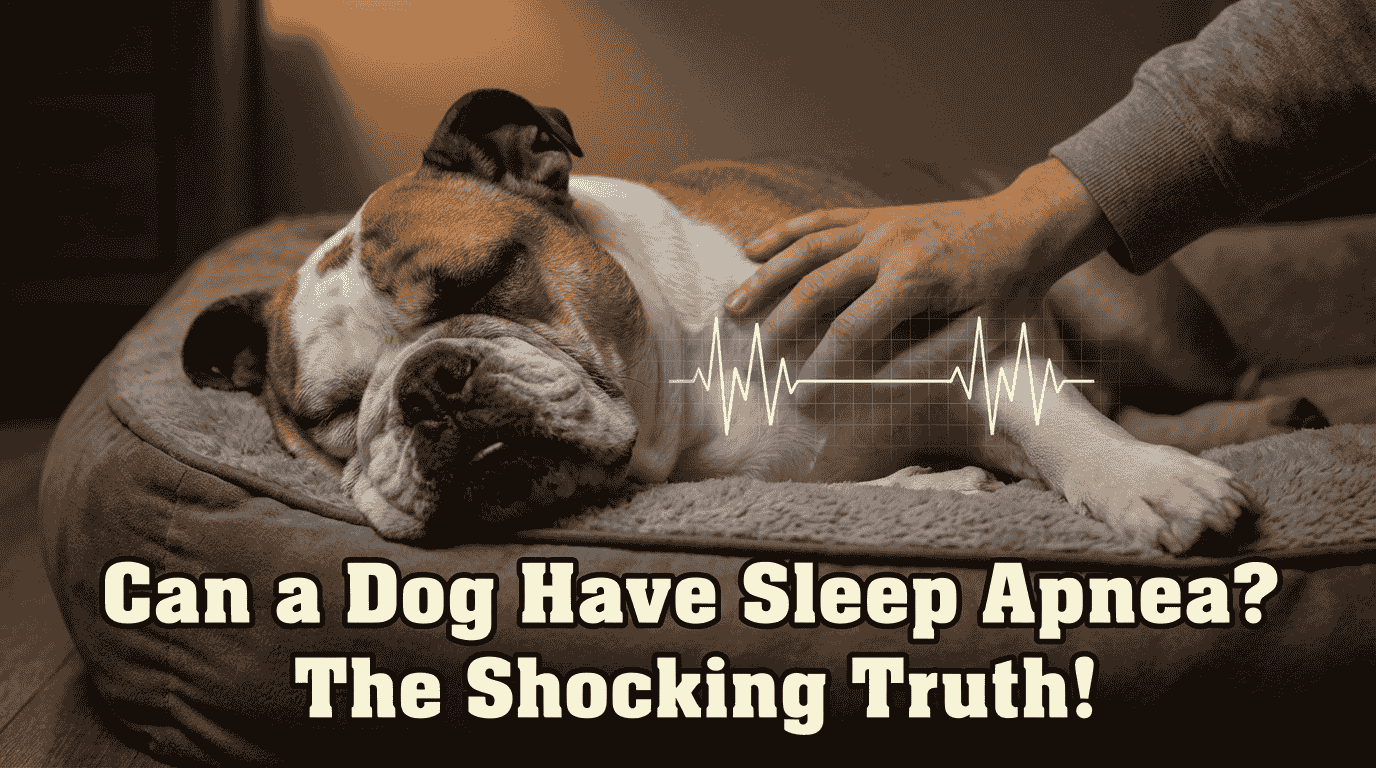
Sleep apnea is a serious disorder that most people associate with humans, but did you know that even our beloved furry companions can suffer from it? While it’s rare, dogs are not immune to this condition, and it can be a sign of an underlying health issue. If your dog begins to snore loudly or has interrupted breathing during sleep, these could be signs of sleep apnea. Like humans, dogs rely on a good night’s sleep to maintain their overall health and well-being. Interrupted or fragmented sleep patterns can reduce oxygen levels, leading to fatigue and excessive tiredness during the day.
I’ve seen dogs who are generally healthy but exhibit noisy or excessive snoring at night. While some may brush it off as normal, these sounds could indicate a serious issue with their breathing. In fact, sleep apnea can affect not just the night but also how they feel throughout the day. Dogs can become more tired, displaying fatigue and even becoming less active, as their bodies don’t get the proper rest they need. Paying attention to these patterns is key because untreated sleep apnea in dogs can lead to further health complications down the road.
Understanding Sleep Apnea
Sleep apnea is a disorder where breathing stops or becomes very shallow while a person is sleeping. These pauses in breathing can last from a few seconds to a few minutes, often happening many times throughout the night. People with this condition frequently experience loud snoring and wake up feeling tired during the day, which is due to disrupted sleep patterns. This fatigue is caused by the episodes that interrupt the flow of air while sleeping. Daytime fatigue is a common side effect of this condition, as the body doesn’t get enough restful sleep.
The question is, can dogs experience something similar? While we usually think of sleep apnea as a human condition, it’s not out of the realm of possibility that dogs could have it too. If a dog experiences episodes of shallow or irregular breathing, or pauses in their sleep, it may be a sign of sleep apnea. Just like humans, dogs might also show signs such as snoring and feeling tired throughout the day. Although the symptoms can vary, it’s important for pet owners to recognize the signs and consult a veterinarian to determine whether their dog could have this sleep-related disorder.
How to Tell If Your Dog is Suffering from Sleep Apnea
Sleep apnea in dogs can sometimes be tricky to identify, especially when the signs are subtle. Pet owners need to be observant of any changes in their dog’s sleeping patterns and overall behavior. If you notice loud snoring or excessive snoring, it could be a sign of airway obstruction, which may lead to breathing interruptions. Dogs with this condition might also experience pauses in breathing, where they briefly stop breathing, followed by gasping or even choking sounds. These signs are not always obvious, and some dogs only show them during the night, making it important to pay close attention.
In addition to the more noticeable snoring and breathing interruptions, dogs with sleep apnea may also exhibit restlessness during sleep, often tossing and turning as they struggle to breathe properly. The daytime fatigue and lethargy that follow poor sleep quality can make your dog appear sluggish or less energetic, and they may show a reluctance to engage in physical activities. These dogs may also experience irritability or behavioral changes, with their mood shifting due to poor sleep quality. All of these signs, when observed together, point toward the possibility of sleep apnea in dogs, and if you notice them, it’s important to consult a veterinarian.
Treating Sleep Apnea in Dogs: What You Need to Know
Sleep apnea in dogs can affect their sleep quality and overall well-being, but with proper management and the right treatment, dogs can still live a healthy life. If your dog suffers from sleep apnea, the key to improvement lies in addressing the root cause, whether it’s an overweight condition or an underlying anatomical issue. For dogs who are carrying extra weight, weight loss is often the first step. A carefully tailored diet and exercise plan from a veterinarian can help your dog achieve a healthy weight, which may reduce airway obstruction and improve their breathing during sleep.
For certain breeds, like brachycephalic breeds, the issue may be more complex, requiring surgical correction to improve airflow. Procedures such as soft palate resection or nostril widening can help relieve breathing difficulties and reduce the risk of sleep apnea. In addition, allergies and infections can contribute to airway inflammation, making the condition worse.
To treat this, your veterinarian may recommend medications like antihistamines, decongestants, or antibiotics, and suggest avoiding exposure to allergens in your dog’s environment. Making simple lifestyle changes, like creating a comfortable sleeping environment, can also help.
For instance, elevating their head while they sleep or using a humidifier can reduce breathing issues. Avoiding smoke and strong scents may further improve your dog’s ability to sleep peacefully through the night.
The Dangers of Sleep Apnea in Dogs
Sleep apnea in dogs can be a distressing condition that affects their overall health and quality of life. The severity of sleep apnea can vary from mild to severe, with symptoms such as snoring, breathing pauses, and restless sleep. In more serious cases, dogs may experience frequent awakenings and have difficulty falling back asleep, disrupting their natural sleep cycle.
As a result, dogs often suffer from excessive daytime sleepiness and a lack of energy. While these may seem like minor issues at first, the longer these sleep disturbances persist, the more serious the consequences become.
In severe cases, the chronic lack of quality sleep can lead to significant health problems, especially affecting the heart and lungs. The frequent dips in oxygen levels during sleep can put a strain on these organs, increasing the risk of developing cardiovascular problems over time. Not only does this make the dog feel tired and irritable, but it can also lead to behavioral changes and even cognitive dysfunction.
If left untreated, sleep apnea in dogs can indeed be dangerous and, in some cases, life-threatening. It’s crucial for pet owners to recognize the signs of sleep apnea early and seek veterinary attention if they suspect their dog may be suffering from this condition.