







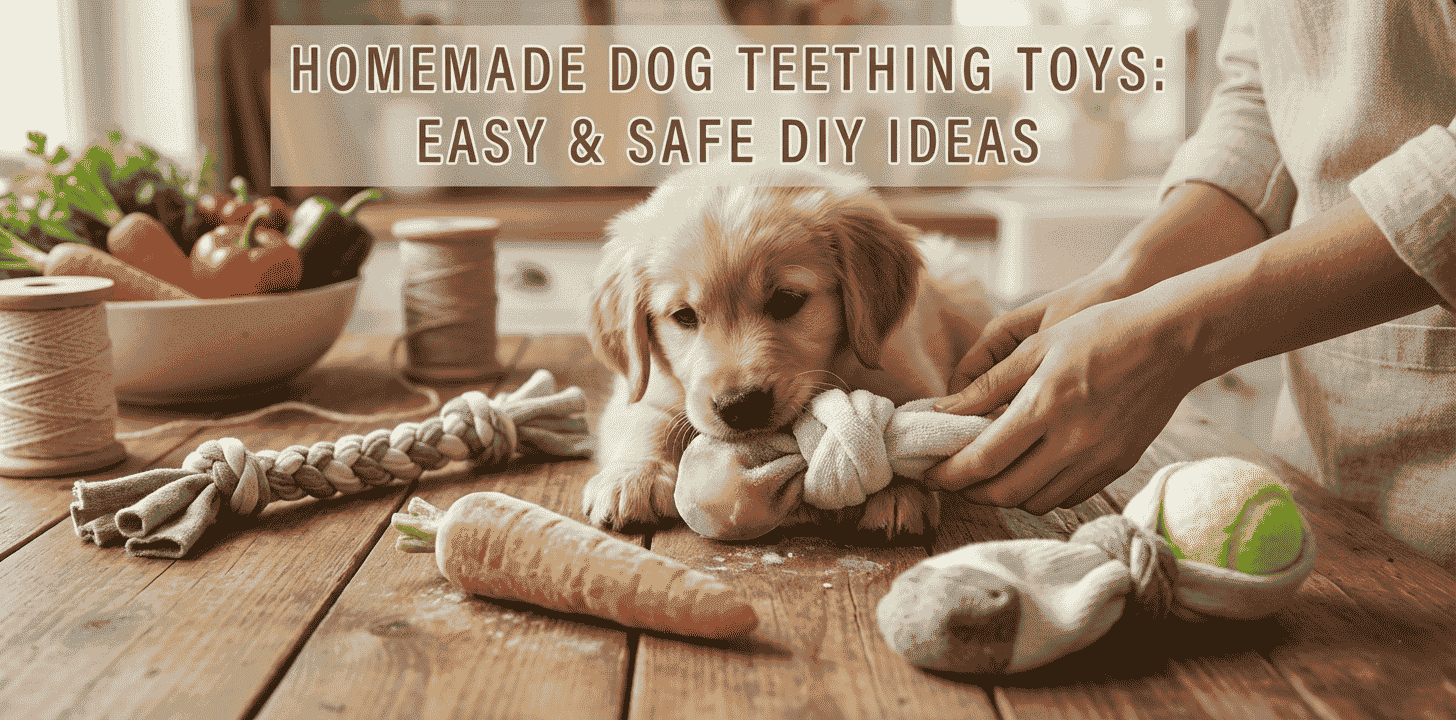
Dog teething is a natural process, but that doesn’t mean it’s any less stressful for owner and pup alike. As their baby teeth fall out and their adult teeth are coming in, puppies will be uncomfortable during this stage. Due to this pressure, puppies chew more to relieve the pain and discomfort. If they are not have right outlets, then they often take it out on furniture, shoes, or other things around the house.
DIY dog teething toys are a safe, effective solution for this stage.They redirect chewing behavior and promote healthy oral development.
When Do Puppies Start Teething?
Most puppies start to teethe at about 3 to 4 weeks of age Most puppies begin teething at around 3 weeks of age. Between 3 to 6 months is usually the period when they tend to get the most uncomfortable. At 6 to 7 months old, most dogs have a complete set of adult teeth. Chewing may persist, however, if puppies are not trained correctly during this period.
Signs Your Dog Is Teething
Common signs include excessive chewing, swollen or red gums, drooling more than usual, mild irritability, and occasional bleeding from the gums. Some puppies may also show reduced appetite or chew more aggressively than usual.
Why Homemade Dog Teething Toys Are a Smart Choice
Homemade dog teething toys are becoming increasingly popular among responsible pet owners. They offer flexibility, safety, and affordability that many store-bought toys cannot guarantee.
Cost-Effective and Eco-Friendly Benefits
One of the best benefits is it’s cheaper. Homemade dog teething toys can be made from common household items like old T-shirts, socks, or washclothes. This helps prevent waste and supports sustainable living while keeping your puppy busy.
Control Over Materials and Safety
When you make your toys, you get to decide exactly what goes into them. That means no risk of the nasty chemicals, toxic dyes or cheap plastic that can sometimes turn up in mass produced toys. This level of control breeds trust and confidence in what your dog is chomping on.
Safety First: Rules for Making DIY Dog Teething Toys
Safety should always be the top priority when creating homemade dog teething toys. Poorly designed toys can pose choking or digestive hazards.
Materials to Avoid at All Costs
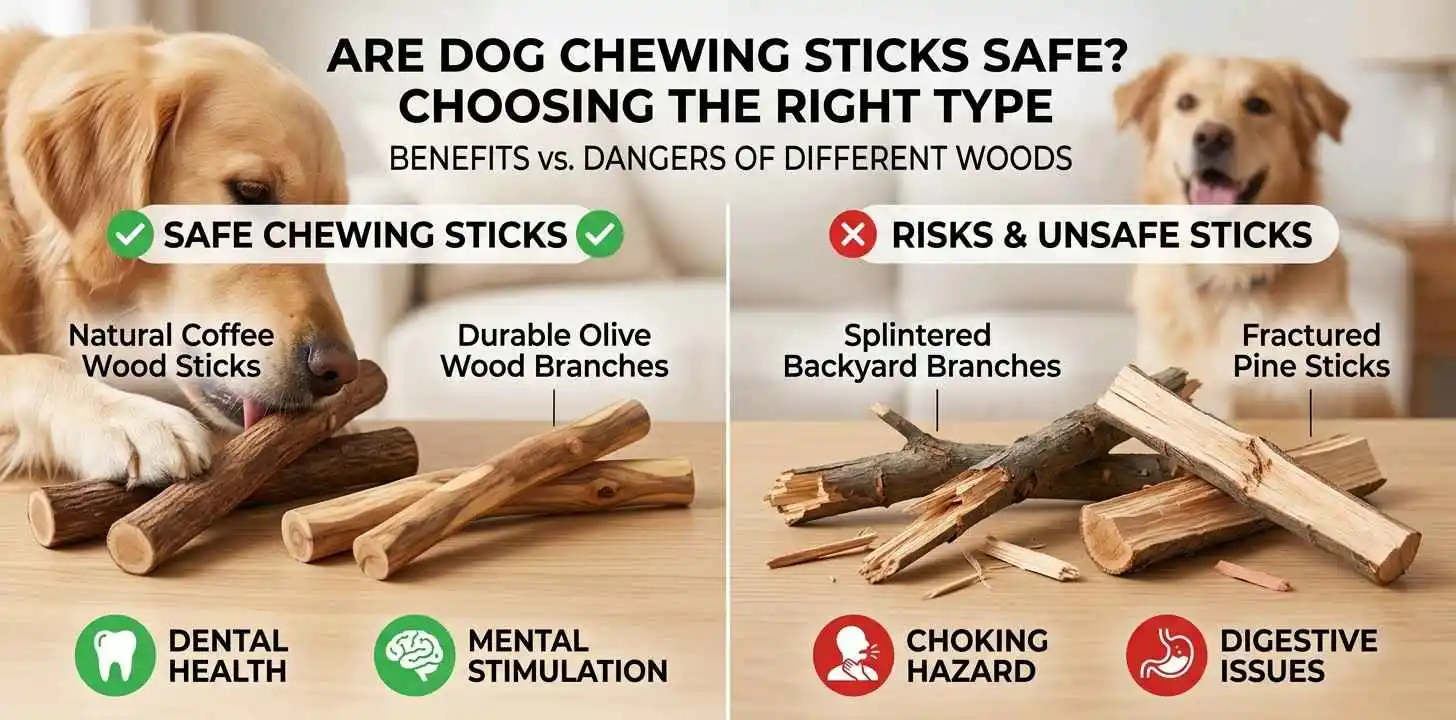
Avoid cooked bones, glued objects, treated wood, rubber bands, string, or any item with sharp edges. Never use toys that can easily break into small pieces.
Supervision and Size Guidelines
Always supervise your puppy while using homemade dog teething toys. The toy should be large enough that it cannot be swallowed whole. Check toys regularly for damage and discard them if they begin to fray or break.
Best Materials for Homemade Dog Teething Toys
Choosing the right materials ensures comfort, durability, and safety.
Natural Fabrics and Rubbers
Cotton, denim, and untreated natural rubber are excellent choices. These materials are soft on gums yet strong enough to handle moderate chewing.
Edible and Frozen Options
Edible items like raw carrots, apples without seeds, or frozen low-sodium broth cubes work well for soothing inflamed gums. Frozen textures help reduce pain and swelling naturally.
9 Powerful Homemade Dog Teething Toys (Step-by-Step)
Below are practical and safe homemade dog teething toys that are easy to prepare and effective.
Frozen Washcloth Rope
Soak a clean washcloth in water or low-sodium broth, twist it tightly, and freeze it. This provides instant relief for sore gums.
DIY Sock Knot Toy
Tie knots along an old sock. Lightly dampen and freeze for added soothing benefits.
Carrot Chew Pops
Freeze whole carrots for a crunchy, nutritious chewing option.
Ice Cube Bone Treat
Freeze diluted bone broth in ice cube trays. This is especially helpful during warmer months.
Braided T-Shirt Tug
Cut old T-shirts into strips and braid them tightly. This toy is washable and durable.
Frozen Kong-Style Filler
Fill a rubber toy with mashed banana and plain yogurt, then freeze it for long-lasting engagement.
Cardboard Crunch Toy
Roll treats inside a cardboard tube. Use only under supervision to prevent ingestion.
Tennis Ball Treat Puzzle
Cut a small slit in a tennis ball and insert treats to encourage controlled chewing.
Rope Bottle Chewer
Insert a plastic bottle into a rope toy for a crunchy texture that attracts puppies.
How Often Should Puppies Use Teething Toys?
Dog Teething can be painful for puppies, but they can use teething toys safely every day as they go through their teething phase. Keep your pup’s interest by rotating toys every few days, that way they don’t get bored. Rotating toys on a regular basis can also help to reduce destructive chewing.
Common Mistakes to Avoid With DIY Teething Toys
Common mistakes include leaving puppies unsupervised, using unsafe materials, ignoring signs of wear, and assuming all dogs chew the same way. Each puppy has unique chewing strength and preferences, so toys should be adapted accordingly
Conclusion
Homemade dog teething toys are a reliable and effective way to support puppies during the teething phase. They offer comfort, safety, and mental stimulation while protecting household items from damage. When made correctly and used responsibly, these toys can make teething easier for both puppies and their owners.
Pets need proper care, safe toys, and healthy routines to live a happy and active life. Explore useful guides and expert tips in the Pets category to learn more about responsible pet care.
A dog ring chew is an excellent toy for supporting dental health and keeping dogs engaged by satisfying their natural chewing instincts.
FAQs About Homemade Dog Teething Toys
Are homemade dog teething toys safe?
Yes, when made with safe materials and used under supervision.
Can I freeze all DIY dog toys?
Only fabric or food-based toys should be frozen. Avoid freezing hard plastic items.
How long does teething last in puppies?
Teething usually lasts from 3 to 6 months, depending on breed and size.
Can adult dogs use teething toys?
Yes, many adult dogs enjoy chew-based or frozen toys for comfort and stimulation.
How do I clean homemade dog teething toys?
Wash fabric toys weekly in hot water and discard any damaged toys immediately.
What is the best homemade toy for aggressive chewers?
Braided denim toys and frozen carrots are suitable for stronger chewers.