




Introduction
Pork bones can be an interesting treat for your pup, but the truth is that it depends on several details. As pet parents, we often want to spoil our dogs with special treats, and pork can be tempting. However, not all treats are created equal, and some can be unsafe for your furry friend. From the perspective of your dog, bones are definitely something they’ll enjoy with gusto, whether they’re big, small, sweet, or savory. But just because they’re excited doesn’t mean they’re always the best choice.
When it comes to deciding whether to give your dog a pork bone, it’s easy to get lost in the debate. The internet is filled with different opinions. Some say yes, and others strongly advise against it. If you’re ever in doubt, it’s best to consult with a trusted veterinarian. Their knowledge and guidance on your dog’s dietary needs can provide you with the best answers. In the meantime, do some research and dig into the facts before deciding if it’s an okay treat for your dog’s well-being.
Are Pork Bones Safe for Dogs? Here’s What You Need to Know
When it comes to dogs and pork bones, it’s important to keep a few key things in mind. While it’s generally safe for your dog to eat pork bones, you have to be cautious about the size and cooked state of the bones. Cooked bones, especially those like rib or steak, can break or splinter, leading to choking hazards or internal injuries. Always check with your vet if you’re uncertain. Smoked bones are a better option, as they are less likely to cause splintering.
These bones can be a great addition to your dog’s collection of treats, providing them with a fun and satisfying chewy experience. Smoked jerky inside the bones can even offer a boost of protein, making them a healthy treat for your furry friend. However, be sure to keep a watchful eye while they’re chewing to ensure they don’t swallow anything they shouldn’t.
If you’re considering giving your dog pig bones or femur bones, the same precautions apply. While they might seem like a fun treat, make sure the bone is not too small and that it hasn’t been cooked. Barbecued or smoked bones tend to be safer, but don’t forget to stay alert. The furry companion might chew on them for long periods, and you don’t want them to end up with something harmful. Always make sure that the bones are the right size and that they won’t cause any danger. It’s always a good idea to include these treats in your dog’s collection sparingly, and keep the watchful eye close to ensure your dog stays safe and happy.
Understanding Pork Bones and Dogs
What Are Pork Bones?
Pork bones come from pigs and are often leftovers from meals like pork chops, ribs, or roasts. These bones can be:
- Cooked (baked, fried, smoked, or boiled)
- Raw (from butcher scraps)
- Large or small
- Thick or thin
No matter the size or type, pork bones behave differently than safer chew options made for dogs.
Why Dog Owners Ask This Question
Dogs love to chew. It’s natural, comforting, and mentally stimulating. Many owners assume that giving a bone is harmless or even healthy. After all, dogs’ ancestors chewed bones in the wild. Still, domestic dogs aren’t wild animals anymore, and their diets have changed a lot.
That’s why the question can dogs eat pork bones keeps coming up.
Can Dogs Eat Pork Bones Safely?
Short answer: No, pork bones are not safe for dogs.
Long answer: Let’s explain why.
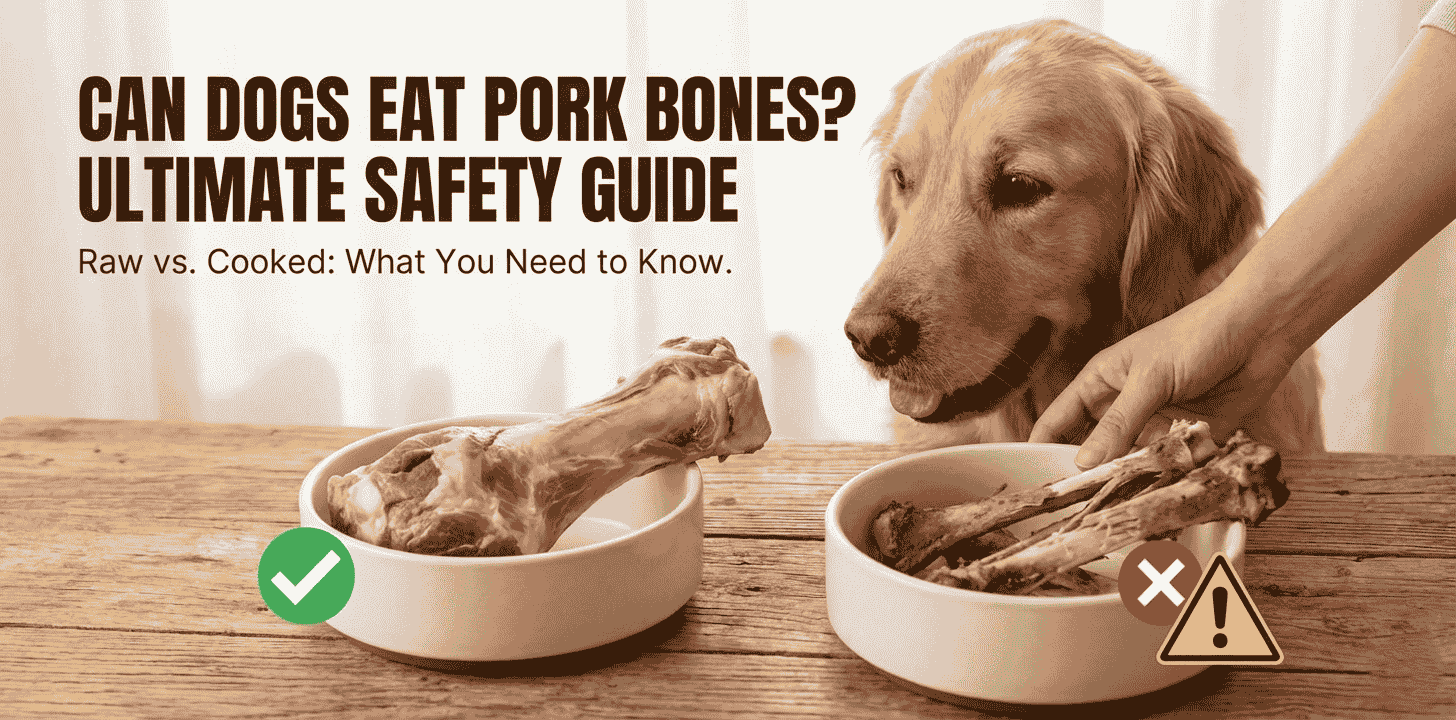
Raw vs Cooked Pork Bones
- Cooked pork bones are extremely dangerous. Cooking makes bones brittle. They splinter easily and can break into sharp pieces.
- Raw pork bones may seem safer, but they still pose serious risks like choking, tooth damage, and bacterial contamination.
Even raw bones can crack under pressure, especially with strong chewers.
Small Dogs vs Large Dogs
Some people think large dogs can handle pork bones better. Sadly, that’s a myth.
- Small dogs can choke more easily.
- Large dogs can break bones with stronger jaws, creating sharp fragments.
Size doesn’t make pork bones safe.
Health Risks of Pork Bones for Dogs
Choking Hazards Explained
Pork bones can get stuck in your dog’s:
- Throat
- Windpipe
- Esophagus
A choking dog may panic, paw at their mouth, or collapse. This can become life-threatening in seconds.
Broken Teeth and Gum Injuries
Dogs chewing pork bones often crack their teeth. These fractures are painful and expensive to treat. Sharp edges can also cut gums, leading to infections.
Digestive Blockages
Bone fragments can lodge in the stomach or intestines. This may cause:
- Severe constipation
- Internal bleeding
- Emergency surgery
According to the American Kennel Club, bones are one of the most common causes of gastrointestinal blockages in dogs .
Potential Benefits (And Why They’re Misleading)
Chewing Instincts
Yes, dogs need to chew. Chewing helps reduce stress and boredom. But pork bones are not the right way to satisfy this instinct.
Dental Myths
Many believe bones clean teeth. In reality, pork bones are more likely to break teeth than clean them. Safer dental chews exist and are designed to soften while chewing.
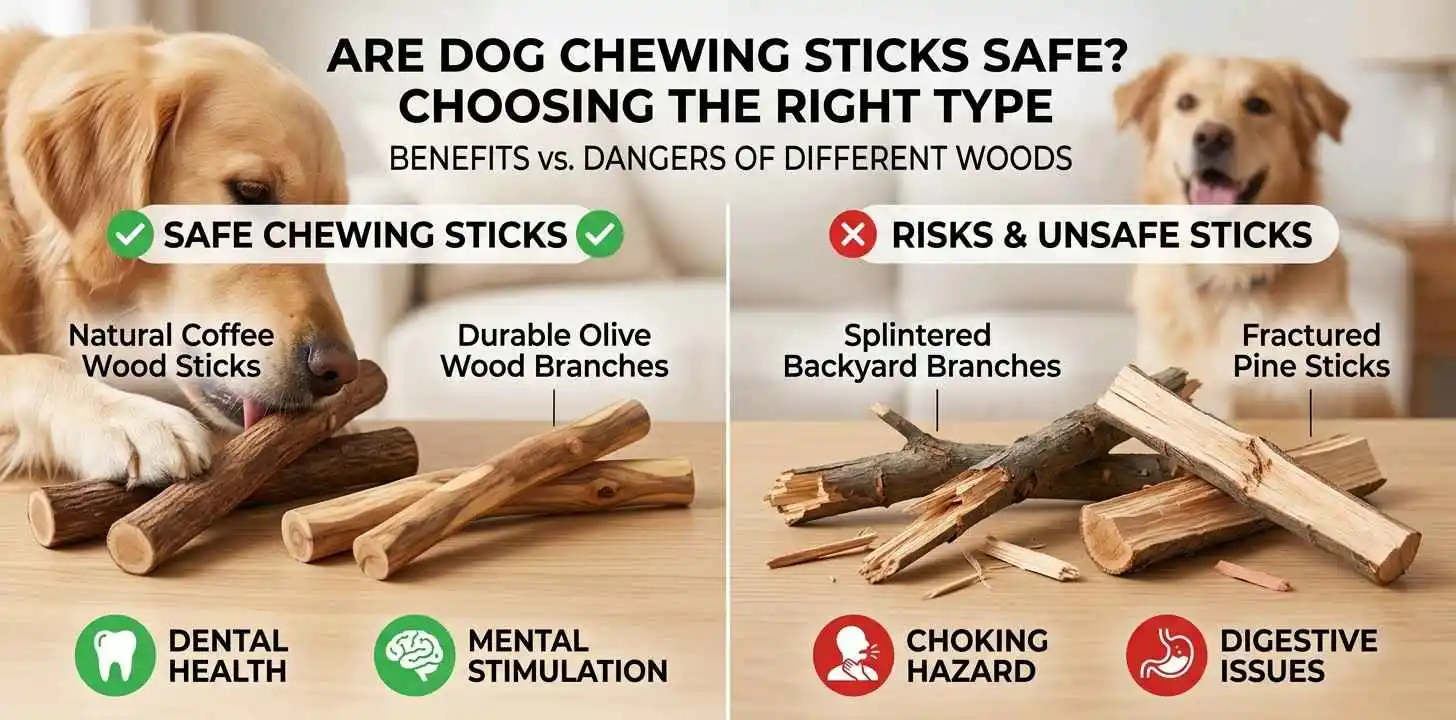
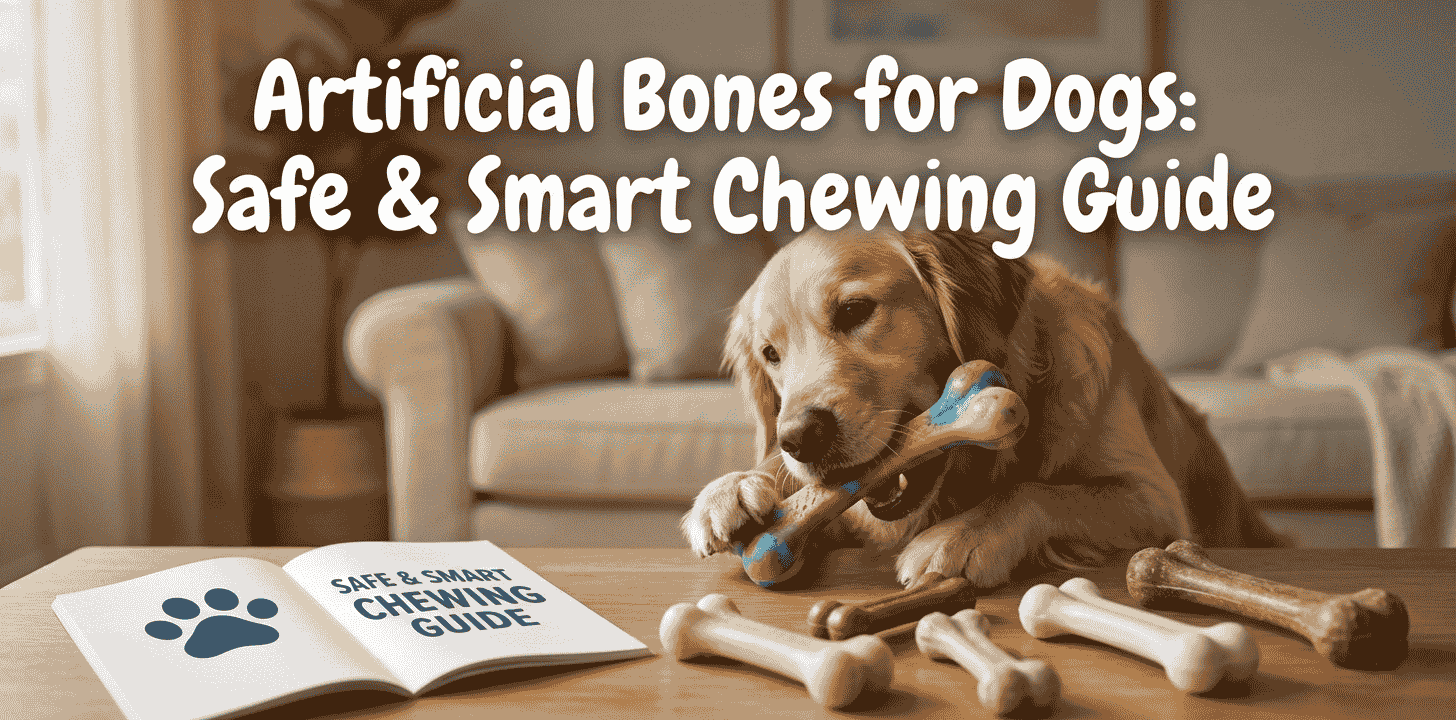
Safe Alternatives to Pork Bones
Vet-Approved Chews
Instead of pork bones, consider:
- Rubber chew toys
- Dental chews approved by vets
- Nylon bones designed for dogs
These options are tested for safety and durability.
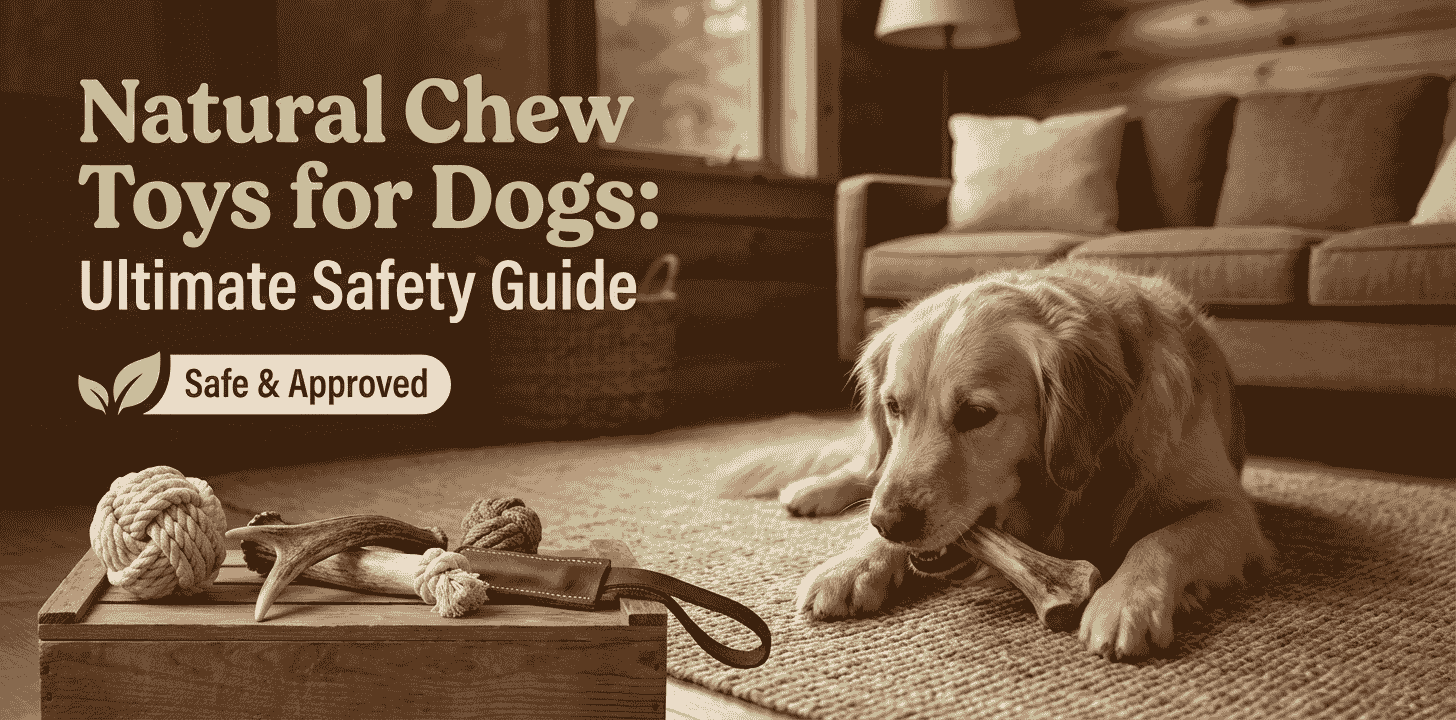
Natural and Synthetic Options
Some safer natural alternatives include:
- Carrots (raw, supervised)
- Apple slices (no seeds)
- Bully sticks (in moderation)
Always choose size-appropriate chews.
How to Know If Your Dog Ate a Pork Bone
Warning Signs to Watch For
If your dog already ate a pork bone, watch closely for:
- Vomiting
- Lethargy
- Bloody stool
- Refusal to eat
- Straining to poop
These signs may appear hours or even days later.
What To Do in an Emergency
If you suspect trouble:
- Do not induce vomiting unless a vet tells you to.
- Call your veterinarian immediately.
- Visit an emergency clinic if symptoms worsen.
Quick action can save your dog’s life.
Final Verdict: Should Dogs Eat Pork Bones?
So, can dogs eat pork bones? The safest, most responsible answer is no. While dogs love to chew, pork bones carry serious risks that outweigh any possible benefit. With so many safer alternatives available today, there’s no reason to take the chance.
Discover everything you need to know about pets and their care in our detailed guides on pets. For those looking to keep their furry friends happy and healthy, explore the best options with our expert tips on the safest chew bones for dogs.
Choosing safe chews protects your dog’s teeth, stomach, and overall health—and gives you peace of mind.