




Why Does My Dog Roll on Her Toys?
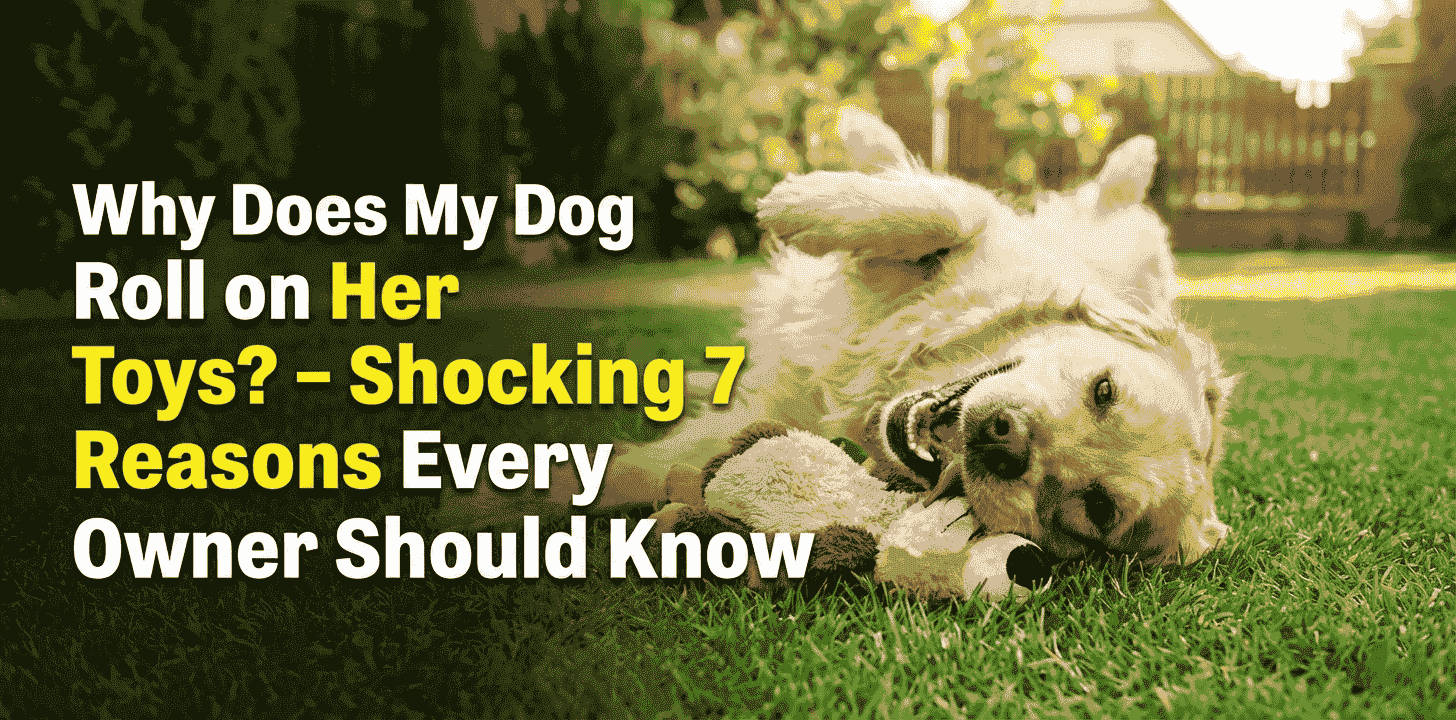
If you’ve ever watched your dog grab a favorite toy, drop to the floor, and roll around like it’s the best moment of her day, you’re not alone. Many dog owners ask, why does my dog roll on her toys, especially when the behavior looks funny, intense, or even confusing.
The good news is this behavior is usually normal, healthy, and deeply rooted in canine instincts. Dogs don’t do things “just because.” Every roll, rub, and wiggle often has meaning behind it. Understanding this habit helps you connect better with your dog and respond in a way that supports her emotional and physical well-being.
Let’s break it all down in a clear, simple, and practical way.
Understanding Natural Dog Behavior
Instincts Passed Down From Wolves
Dogs may live on couches now, but their instincts come from wild ancestors. Wolves often roll on objects with strong scents to bring those smells back to the pack. This behavior helped them share information about their environment.
When your dog rolls on her toys, she may be acting on this ancient instinct. Even though the toy smells familiar, it still carries comfort and meaning. Rolling helps her “connect” with it in a natural way.
The Role of Scent and Smell
A dog’s sense of smell is incredibly powerful—much stronger than a human’s. Toys absorb scents from your home, your hands, and your dog herself. When she rolls on a toy, she’s mixing her scent with it.
This scent-blending helps dogs feel secure. It’s like saying, “This is mine, and I belong with it.” This is why natural chew toys for dogs that hold familiar scents can provide extra comfort and satisfaction during play. According to the American Kennel Club, scent-based behaviors are a key part of how dogs explore and understand their world.
Emotional Reasons Dogs Roll on Toys
Happiness and Playfulness
Sometimes, the answer is simple: your dog is happy. Rolling on toys often happens during moments of excitement. You might notice it after playtime, meals, or when you come home.
Dogs express joy with their whole bodies. Rolling is their way of celebrating. It’s similar to a child laughing and rolling on the floor during play.
Comfort and Emotional Security
Dogs also roll on toys when they feel calm and safe. A favorite toy can act like a comfort blanket. This is especially true for puppies or dogs that spend time alone during the day.
Toys as Emotional Anchors
Some dogs form strong emotional attachments to specific toys. Rolling on them releases feel-good hormones that help reduce stress. This is common in rescue dogs or dogs adjusting to a new environment.
Communication and Social Signals
Marking Territory
Dogs don’t mark territory only with urine. Rolling on toys is another way to claim ownership. By covering the toy with their scent, they’re saying, “This belongs to me.”
This behavior is harmless and natural, especially in multi-pet households. It helps dogs set boundaries without aggression.
Seeking Attention
Let’s be honest—dogs are smart. If rolling on toys gets your attention, laughter, or praise, your dog may repeat it. Even a smile or eye contact can reinforce the behavior.
Dogs thrive on interaction. Rolling can be a playful invitation for you to join in.
Sensory and Physical Stimulation
Itching and Body Awareness
Sometimes, rolling feels good physically. Dogs may roll to scratch an itch or stretch their muscles. Toys on the floor provide the perfect surface.
If your dog rolls frequently and also scratches a lot, check for skin irritation or allergies.
Texture and Sensory Pleasure
Different toys offer different textures. Soft plush toys, rubber, or rope toys all feel unique. Rolling helps dogs explore these sensations using their entire body.
This kind of sensory play supports mental stimulation and keeps boredom away.
When Rolling Becomes Excessive
Signs of Stress or Anxiety
While rolling is usually normal, too much of it can signal stress. If your dog rolls obsessively, avoids interaction, or seems restless, something else may be going on.
Changes in routine, loud environments, or lack of exercise can all trigger anxious behaviors.
Obsessive Behaviors to Watch
Watch for signs like:
- Constant rolling without play
- Growling when toys are removed
- Ignoring food or people
These may indicate compulsive behavior. Early intervention helps prevent long-term issues.
How Owners Should Respond
Encouraging Healthy Play
Rotate toys regularly to keep things fresh. Offer different textures and sizes. Interactive play strengthens your bond and gives your dog healthy outlets for energy. Adding safe chew options—such as learning about Dog Chewing Sticks: Is It Safe?—can help you choose toys that support healthy chewing habits.
Praise calm behavior, not obsessive actions.
When to Consult a Vet
If rolling comes with hair loss, redness, or sudden behavior changes, consult your veterinarian. Medical issues like allergies or joint discomfort may be involved.
A professional can rule out health problems and guide you toward the right solution.
Conclusion
So, why does my dog roll on her toys? In most cases, it’s a mix of instinct, joy, comfort, and communication. This behavior is a healthy way for dogs to express themselves and connect with their environment.
By understanding what your dog is telling you, you can respond with patience and care. A rolling dog is often a happy dog—and that’s something every pet owner can appreciate.
Frequently Asked Questions (FAQs)
1. Is it normal for dogs to roll on toys every day?
Yes, daily rolling is normal as long as your dog seems happy and relaxed.
2. Should I stop my dog from rolling on her toys?
No, unless it becomes obsessive or aggressive. It’s usually healthy behavior.
3. Why does my dog roll on one toy only?
That toy likely provides extra comfort or holds a favorite scent.
4. Can puppies roll on toys more than adult dogs?
Yes, puppies explore the world through movement and play more often.
5. Does rolling mean my dog is bored?
Not always. However, boredom can increase the behavior.
6. Is rolling linked to dominance?
No, it’s more about comfort, scent, and emotional expression.