







Introduction
As I was attending a mindfulness yoga class at the park one evening, I couldn’t help but notice how my dogs were lounging on the soft grass, enjoying the warm sunset. The colors of the sky, with their pink and purple hues, seemed to bring a sense of calm to the moment. I could feel the chilled air fill my chest as the wind rustled the trees nearby. It made me reflect on the balance between what’s natural and what’s not. In a world flooded with social media, ultra-processed food, and trendy supplements, we often find ourselves questioning what’s truly better for us—and for our pets.
As much as we focus on giving our dogs the best, artificial bones have entered the scene, sparking debates about whether they’re truly a better option than raw bones. While natural bones have been a staple of playtime for dogs for centuries, we need to consider if imitation bones are safe and beneficial. Just like with imitation food or supplements, not everything labeled as innovative is necessarily the best. However, some artificial bones can relieve stress, provide great exercise, and encourage the kind of chewing that many dogs enjoy. They might not always be as natural as raw bones, but in some cases, they might be the right choice for keeping your dog safe and entertained. Playtime and chewing are important for mental and physical stimulation, and finding the right bone to meet those needs is essential
Artificial Bones for Dogs: Can You Give Any Kind of Bone to Chew Safely?
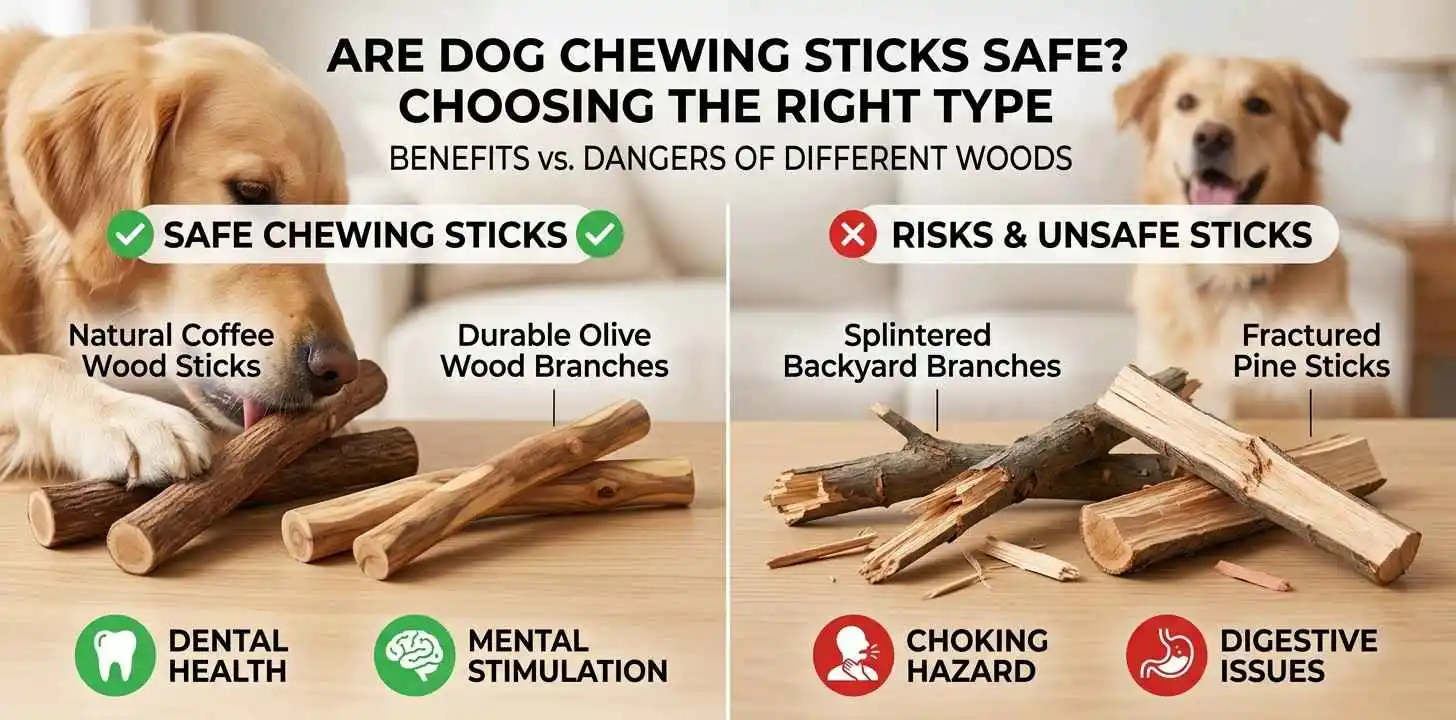
When considering whether to give your dog a bone to chew, it’s important to weigh the risk of injuries. Not all bones are created equal, and raw bones can be a safer option than cooked ones, as they are less likely to splinter and cause harm. However, regardless of the type, you should always supervise your dog while they are chewing to avoid any potential issues. Even raw bones, while less hazardous than their cooked counterparts, carry a certain level of risk if not handled properly.
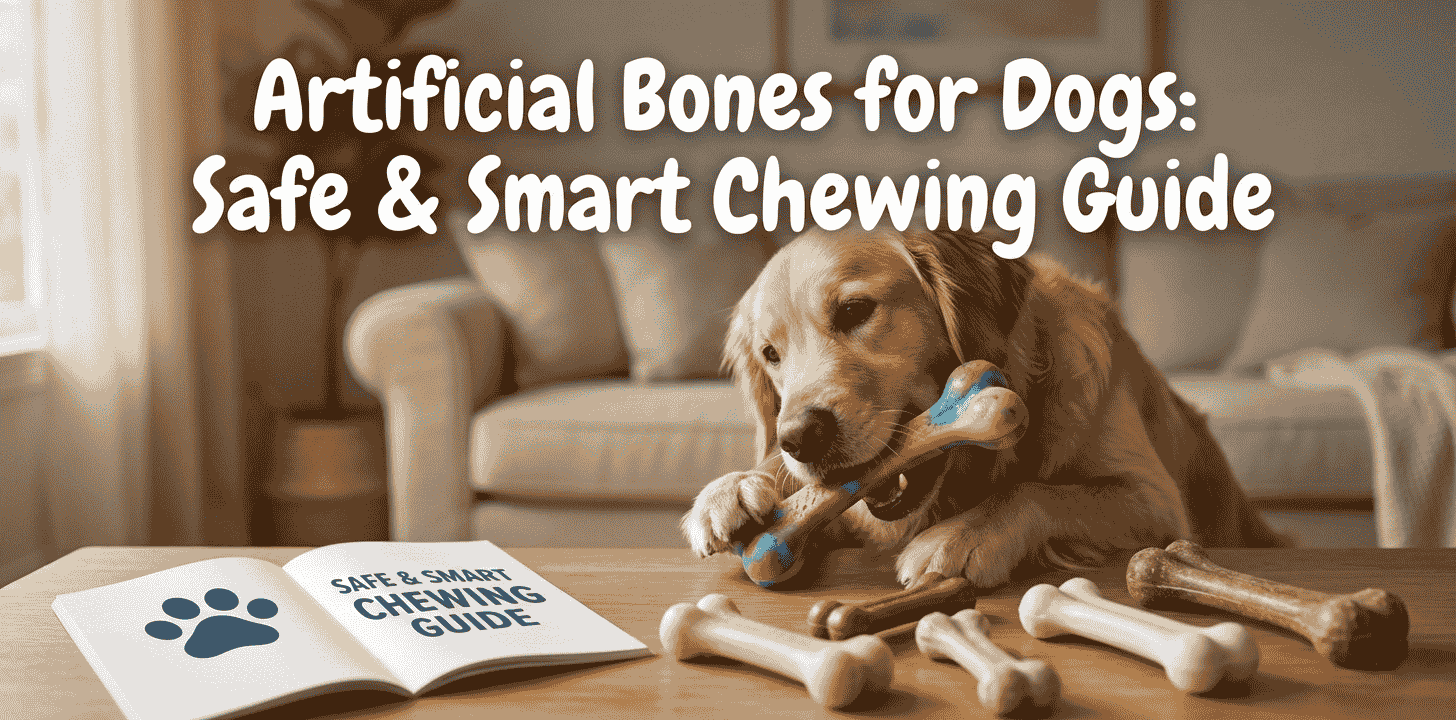
For a more controlled and safe alternative, there are many synthetic chew toys available in the market. Products made from rubber or nylon are particularly popular because they are durable, non-toxic, and specifically designed to reduce the likelihood of digestive issues. These toys, including dental chews, promote oral health and help maintain dental hygiene, which is essential for your dog’s well-being. Always consult with a veterinarian to find treats and chews that are formulated for your dog’s specific needs, ensuring that they are both effective and safe.
Understanding Natural Dog Bones
When it comes to dog bones, many pet owners opt for real bones that are free from preservatives, artificial flavors, and fillers. These bones often contain just a single ingredient, typically a marrow bone that’s filled with sweet and nutritious marrow. The idea is simple – choose something as natural as possible. These bones are often farm-to-table, meaning they come straight from the farm without unnecessary processing. The best types are usually from grass-fed, pasture-raised beef herds, where the cattle roam freely and aren’t confined in cramped barns or confined pins. Feeding cattle grain instead of letting them graze naturally is considered unnatural, and these bones are usually a better option when compared to the less natural alternative of mass-produced dog treats.
In my experience, choosing natural bones for dogs makes a significant difference in their overall health. It’s not just about avoiding harmful additives; it’s about giving your pet the best possible option by sticking to what’s simple and real. When I give my dog a bone, I prefer something from grass-fed, pasture-raised cattle to ensure the bone isn’t just healthy for my pet but also supports ethical farming practices. Natural dog bones are truly a better choice when compared to their processed alternatives.
Benefits of Chewing Bones for Dogs
Chewing bones is a natural pleasure that dogs have enjoyed for centuries. The act of chewing provides numerous benefits that go beyond just entertainment. First and foremost, it helps promote dental health by scrubbing away plaque and tartar, reducing the risk of gum disease and contributing to healthier teeth. The abrasive action of gnawing on bones essentially acts as a natural toothbrush for your dog, providing a simple, effective way to maintain oral hygiene.
Beyond dental health, chewing bones also serves as an excellent source of mental stimulation. It relieves boredom and can act as an instinctive activity, keeping your dog engaged and mentally active. This activity helps to reduce anxiety and redirects destructive behaviors associated with destructive chewing. Furthermore, bones, especially raw bones, are packed with nutritional value. They contain marrow, which is rich in fat and provides calories that can be beneficial for active dogs. Along with essential nutrients like calcium, phosphorus, and trace minerals, chewing bones offers a significant boost to your dog’s overall nutrition.
Benefits of Artificial Bones for Dogs
Artificial bones for dogs offer many advantages:
- Long-lasting: They don’t disappear in minutes
- Cleaner: No grease or odor like real bones
- Safer chewing: Less splintering risk
- Mental stimulation: Helps fight boredom
- Dental support: Some designs reduce plaque buildup
For busy pet owners, artificial bones are convenient and cost-effective. One good bone can last weeks or even months.
Potential Risks and How to Avoid Them
Even artificial bones have downsides. Dogs can wear down teeth or swallow small pieces if the bone becomes damaged.
Choosing the Right Size and Hardness
Always match the bone to your dog’s size and chewing strength. A bone that’s too small can become a choking hazard. If it’s too hard, it may crack teeth.
Supervision and Chew Time Rules
Supervision is key. Let your dog chew for 20–30 minutes, then remove the bone. Inspect it regularly and replace it once it shows heavy wear.
Best Artificial Bones by Dog Size
- Small dogs: Softer rubber bones
- Medium dogs: Medium-density nylon bones
- Large dogs: Heavy-duty chew bones
Always follow manufacturer guidelines. Size matters more than most owners realize.
Artificial Bones for Puppies vs Adult Dogs
Puppies need softer artificial bones. Their teeth are still developing, so hard nylon bones may cause damage. Adult dogs can handle tougher materials, but senior dogs may need gentler options again.
Choosing age-appropriate artificial bones for dogs keeps chewing safe at every life stage.
How to Introduce Artificial Bones to Your Dog
Start slow. Let your dog sniff and explore the bone. Praise calm chewing behavior. If your dog loses interest, try a different texture or flavor.
Consistency helps. Over time, your dog will see the artificial bone as a positive reward.
Cleaning and Maintenance Tips
Wash artificial bones weekly with warm water and mild soap. Avoid harsh chemicals. Let them dry completely before giving them back to your dog.
Clean bones last longer and reduce bacteria buildup.
Frequently Asked Questions (FAQs)
1. Can dogs eat artificial bones?
No. Artificial bones are not meant to be eaten. They are chew toys only.
2. Are artificial bones safe for aggressive chewers?
Some are, but you must choose heavy-duty options and monitor closely.
3. How long should a dog chew an artificial bone?
About 20–30 minutes per session is ideal.
4. Can artificial bones damage teeth?
Very hard bones can. Choose the right hardness for your dog.
5. Are artificial bones better than raw bones?
For safety, many vets prefer artificial bones over raw or cooked bones.
6. How often should I replace an artificial bone?
Replace it once it shows deep cracks, sharp edges, or heavy wear.
Conclusion
Artificial bones for dogs offer a safer, cleaner, and more controlled chewing experience compared to many natural bones. When selected carefully and used responsibly, they support mental health, dental hygiene, and overall happiness. While no chew is completely risk-free, artificial bones strike a smart balance between safety and satisfaction. With the right choice, your dog can chew happily—and you can feel confident about their well-being.