







What Are Wolf Looking Dogs?
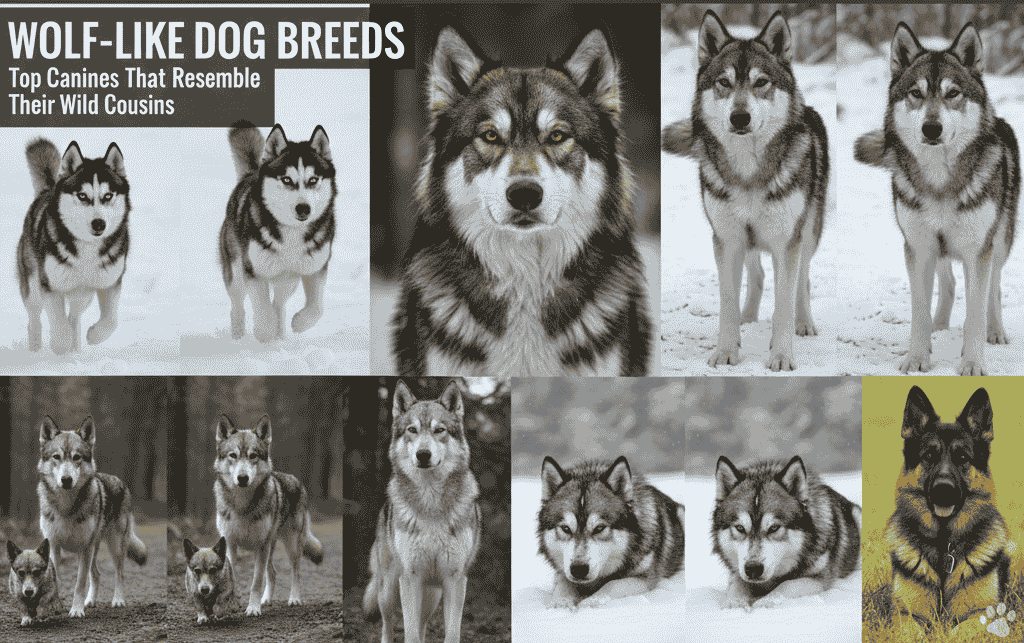
Wolf looking dogs are domestic dog breeds that closely resemble wolves in appearance but are genetically and behaviorally distinct from wild wolves. They often feature thick double coats, pointed ears, almond-shaped eyes, and strong, athletic builds. While their appearance can be striking and even intimidating, these dogs are fully domesticated and bred for companionship, work, or performance.
Many people are drawn to wolf looking dogs because of their majestic presence and natural beauty. However, it’s important to understand that looks alone don’t define a dog’s behavior or suitability as a pet. These breeds often require experienced owners who can meet their physical and mental needs.
Top 10 Wolf Looking Dog Breeds
Alaskan Malamute
The Alaskan Malamute is powerful, dignified, and affectionate. Bred for hauling heavy loads, this breed thrives on physical work and companionship.
Siberian Husky
Siberian Huskies are one of the most popular wolf looking dogs. They’re energetic, friendly, and known for their striking blue or multicolored eyes.
Czechoslovakian Wolfdog
This breed was created by crossing German Shepherds with Carpathian wolves. It’s intelligent, loyal, and best suited for experienced owners.
Saarloos Wolfdog
The Saarloos Wolfdog retains strong wolf-like traits and requires extensive socialization. It’s reserved but deeply bonded to its family.
Tamaskan Dog
Tamaskans were bred to look like wolves without wolf DNA. They’re friendly, trainable, and great for active families.
Northern Inuit Dog
Known for their appearance in popular TV shows, Northern Inuit Dogs are social, intelligent, and require plenty of exercise.
Utonagan
The Utonagan combines beauty with a gentle nature. They’re calm indoors but energetic outdoors.
Kugsha Dog
Kugshas are rare and closely resemble wolves. They’re loyal but need firm leadership and space.
Canadian Eskimo Dog
This ancient working breed is strong, resilient, and deeply connected to its heritage.
Shikoku
A Japanese breed with wolf-like features, the Shikoku is agile, alert, and devoted to its owner.
Why Do Some Dogs Look Like Wolves?
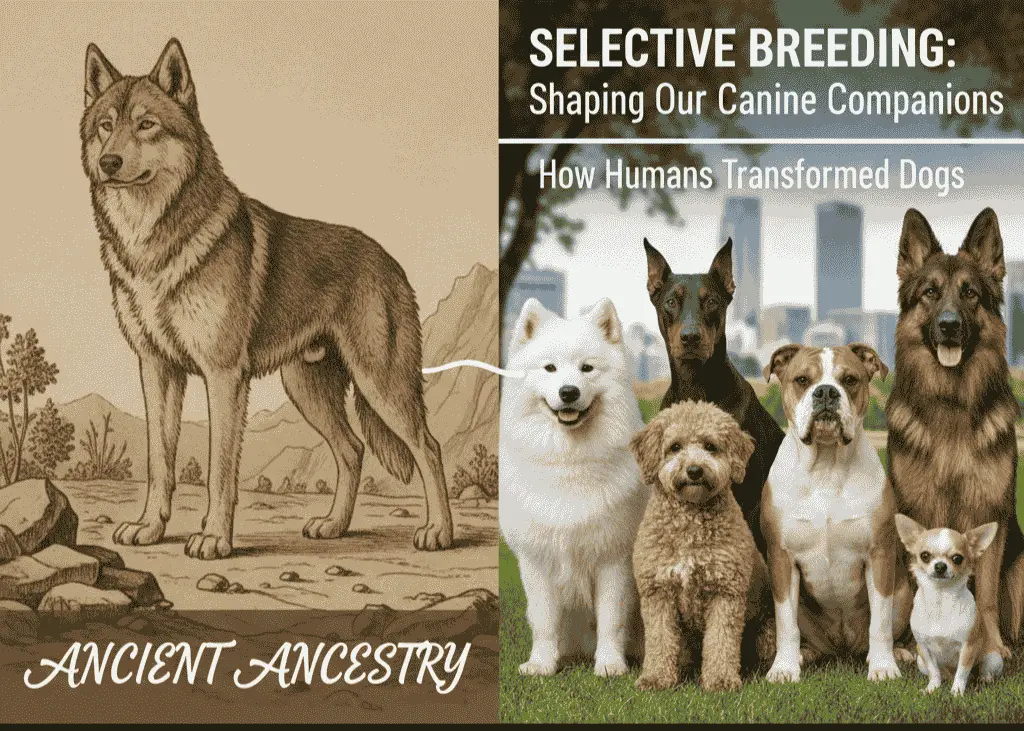
The wolf-like appearance in dogs comes from selective breeding. Early humans domesticated wolves thousands of years ago, and some modern breeds retain physical traits from their ancestors. Breeds developed in cold climates, especially Arctic regions, kept thick fur and strong bodies to survive harsh conditions.
In some cases, breeders intentionally created dogs that look like wolves but behave more like domestic pets. For example, breeds such as the Tamaskan and Northern Inuit were developed to resemble wolves without recent wolf ancestry.
According to the American Kennel Club (AKC), wolf-like breeds are often spitz-type dogs known for endurance, intelligence, and independence. You can explore more about wolf-like breeds on the official AKC website: https://www.akc.org/expert-advice/dog-breeds/wolf-like-dog-breeds/
Key Physical Traits of Wolf-Like Dogs
Wolf looking dogs share several common physical features that set them apart:
- Thick double coats for insulation
- Bushy tails, often carried low or curled
- Upright, triangular ears
- Long muzzles and strong jaws
- Athletic, well-balanced bodies
These traits make them well-suited for cold climates and physically demanding activities. However, their dense coats also mean higher grooming needs, especially during shedding seasons.
Temperament and Behavior Overview
Despite their wild appearance, most wolf looking dogs are loyal, intelligent, and social when properly trained. That said, many of these breeds are independent thinkers. They may not always aim to please, which can make training more challenging.
Common behavioral traits include:
- High energy levels
- Strong pack instincts
- Curiosity and alertness
- Sensitivity to environment and routine changes
Because of these traits, consistency and patience are essential. Early socialization helps ensure they grow into well-adjusted adults.
Are Wolf Looking Dogs Good Family Pets?
Wolf looking dogs can be good family pets, but they are not ideal for everyone. Families with active lifestyles often do best with these breeds. They enjoy outdoor activities, long walks, and mental challenges.
However, they may not suit households with very young children or limited space. Apartment living can be difficult unless owners are highly committed to daily exercise and stimulation.
Care Requirements for Wolf Looking Dogs
Caring for wolf looking dogs requires time, effort, and dedication. Their needs go beyond basic feeding and walking.
Key care requirements include:
- Daily exercise (often 1–2 hours)
- Regular grooming and brushing
- Mental stimulation through training or puzzles
- Secure fencing to prevent wandering
Without proper care, these dogs may develop behavioral issues such as excessive barking or destructive chewing.
Training and Socialization Needs
Training wolf looking dogs can be rewarding but demanding. They respond best to positive reinforcement and clear boundaries. Harsh methods often backfire and damage trust.
Start training early and expose them to different people, pets, and environments. Obedience classes and structured activities can make a big difference.
Legal and Ethical Considerations
Some regions have restrictions on owning wolf-like or wolf-hybrid dogs. Even breeds with no wolf content may be misidentified, leading to legal challenges.
Always check local laws before adopting. Ethical ownership also means choosing reputable breeders or rescue organizations that prioritize animal welfare.
Comparison Table of Wolf Looking Dogs
| Breed | Energy Level | Grooming Needs | Experience Required |
| Alaskan Malamute | High | High | Moderate |
| Siberian Husky | Very High | High | Moderate |
| Tamaskan Dog | High | Moderate | Beginner-Friendly |
| Saarloos Wolfdog | High | High | Advanced |
Ownership Tips for First-Time Owners
If you’re considering wolf looking dogs, keep these tips in mind:
- Research the breed thoroughly
- Invest in training early
- Ensure you have enough time and space
- Choose ethical breeders or rescues
Preparation makes ownership far more enjoyable.
Myths and Facts About Wolf Looking Dogs
Myth: They are aggressive like wolves
Fact: Most are friendly and social when trained properly
Myth: They can’t live in homes
Fact: Many thrive as family pets with the right care
Frequently Asked Questions (FAQs)
Are wolf looking dogs part wolf?
Most wolf looking dogs are not part wolf. They are domestic breeds selectively bred for appearance.
Do wolf looking dogs howl?
Some breeds, like Huskies, may howl due to their vocal nature.
Are they dangerous?
No, they are not inherently dangerous. Proper training and socialization are key.
Can they live in apartments?
It’s possible but challenging due to their high energy needs.
Do they shed a lot?
Yes, most wolf looking dogs shed heavily, especially during seasonal changes.
Are they good with other pets?
With early socialization, many can coexist peacefully with other animals.
Conclusion
Wolf looking dogs combine striking beauty with intelligence, loyalty, and strength. While they’re not the right fit for everyone, the right owner will find them deeply rewarding companions. Understanding their needs, respecting their nature, and committing to proper care ensures a healthy, happy relationship that lasts for years.