







Selective breeding is when humans choose which dogs should have puppies based on traits they like. Over thousands of years, this practice has changed dogs in major ways. It shaped how dogs look, how they behave, and even how healthy they are today.
From Wolves to Domestic Dogs
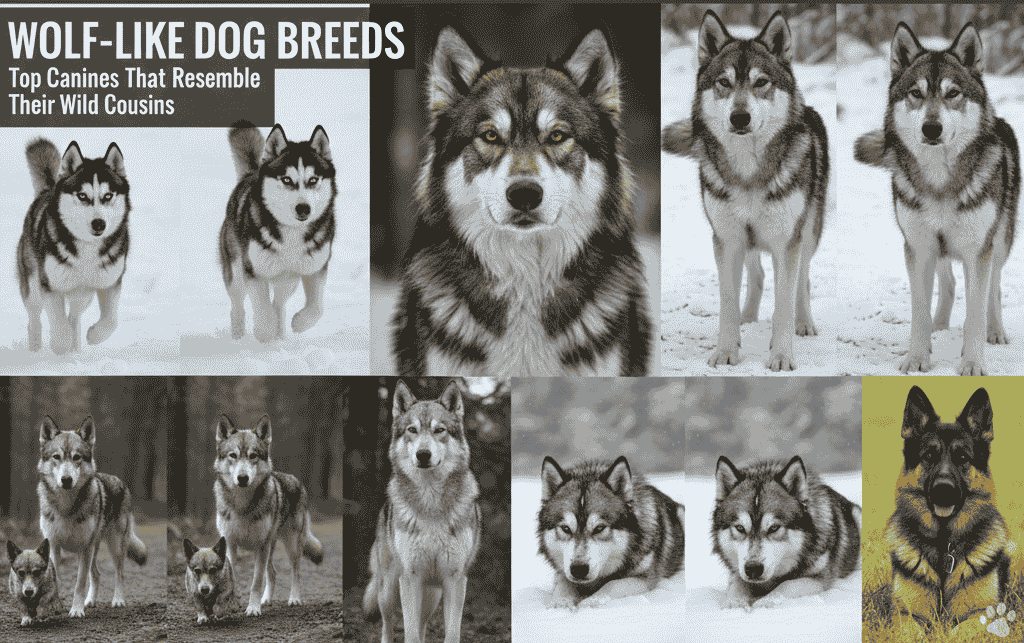
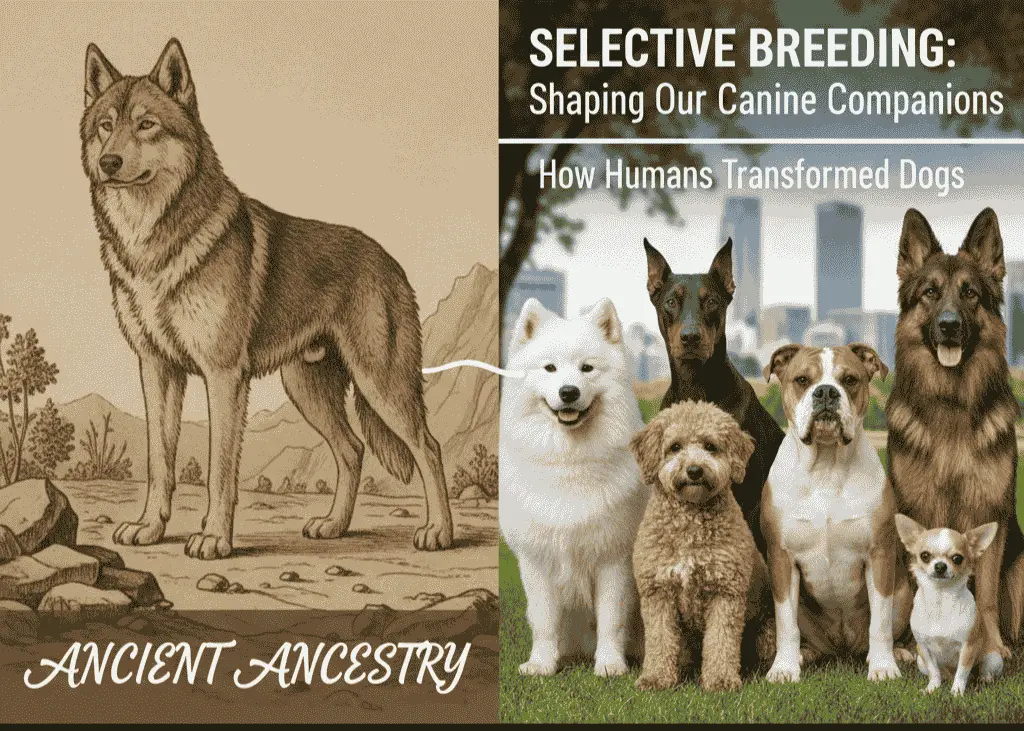
Long ago, dogs came from wolves. Some wolves were calmer and friendlier toward humans. People allowed those wolves to stay close and breed. Over many generations, these animals slowly became dogs. As humans and dogs worked together, people began breeding dogs for specific tasks like hunting, guarding, and herding. This was the beginning of many different dog types.
Changes in Physical Appearance
Selective breeding caused huge differences in how dogs look. Some breeds were made very small, while others became very large. Body shapes also changed. Certain dogs developed long backs and short legs, while others were bred to have flat faces or thick coats.
These changes did not happen naturally. Humans encouraged them by repeatedly breeding dogs that showed the traits they wanted. Over time, these traits became common within certain breeds.
Changes in Behavior and Intelligence
Breeding also changed how dogs behave. Dogs raised for work, such as herding or hunting, became more focused and energetic. Dogs bred mainly for companionship became calmer and more social with people.
Studies show that different dog breeds even have differences in brain structure. This helps explain why some dogs are better at following commands, while others rely more on smell or instinct.
Positive Effects of Selective Breeding
Selective breeding helped create dogs that are very useful to humans. Some dogs can herd animals, protect homes, detect scents, or assist people with disabilities. Many breeds are also loyal, friendly, and well-suited to family life.
Because of selective breeding, humans can choose dogs that match their lifestyle, whether they need a working dog or a gentle companion.
Health Problems Caused by Breeding
Not all changes from selective breeding have been good. In some cases, humans focused too much on appearance. This caused serious health problems in certain breeds.
Dogs with very flat faces often struggle to breathe. Dogs with very long backs are more likely to have spine problems. Large dogs may suffer from joint pain, while some breeds are more prone to heart disease, vision loss, or cancer.
These problems are often linked to limited genetic diversity. When dogs are bred from a small gene pool, harmful traits can become more common.
Why Selective Breeding Matters Today
Understanding how selective breeding changed dogs helps people make better choices today. Many breeders and animal experts now support healthier breeding practices. The goal is to focus on a dog’s health, comfort, and behavior rather than extreme looks.
Responsible breeding can reduce suffering and improve the quality of life for future generations of dogs.
Summary
Selective breeding turned wolves into the wide variety of dog breeds we see today. It shaped their size, appearance, behavior, and skills. While it brought many benefits, it also caused health problems when taken too far. Today, balanced and responsible breeding is important to protect dogs’ well-being.