







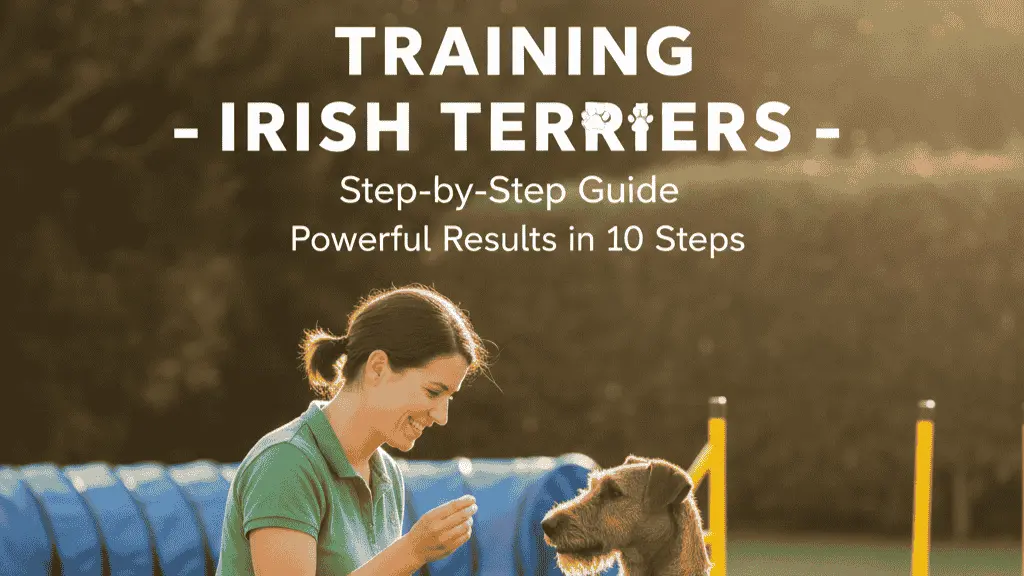
Training Irish Terriers can be one of the most rewarding experiences for any dog owner. These bold, intelligent, and energetic dogs are known for their loyalty and courage. However, without proper guidance, they can become stubborn and hard to manage. That’s why learning the right way to handle training Irish Terriers is so important.
This guide will walk you through everything you need to know. You’ll learn how to communicate better with your dog, how to teach good manners, and how to build a lifelong bond. With patience and consistency, training Irish Terriers becomes easier than most people think.
Understanding the Irish Terrier Temperament
Irish Terriers are lively, confident, and full of spirit. They were originally bred as working dogs, which means they’re smart and independent thinkers. Because of this, they don’t always respond well to harsh training methods.
When training Irish Terriers, it helps to remember that they want to please their owners. They just need clear direction. These dogs are brave and curious, and they often have big personalities packed into medium-sized bodies.
They can also be a bit headstrong. That’s why early structure is so important. If you understand their nature, you’ll have a much easier time teaching them new skills.
Why Early Training Matters for Irish Terriers
The earlier you start training Irish Terriers, the better your results will be. Puppies are like little sponges. They soak up information fast and develop habits quickly.
Starting early helps prevent problem behaviors such as:
- Excessive barking
- Jumping on people
- Pulling on the leash
- Chewing household items
- Aggression toward other dogs
When good habits are built from puppyhood, you won’t have to struggle later. Training Irish Terriers from a young age sets them up for success in adult life.
Preparing Your Home for Training
Before you begin training Irish Terriers, you need to prepare your home. A calm and organized environment makes learning much easier.
Set up a small space for your dog with:
- A comfortable bed
- Food and water bowls
- Safe chew toys
- A crate if you plan to crate train
Remove items that could distract your dog during lessons. Keep training sessions in quiet areas at first. As your dog improves, you can slowly add more distractions.
Essential Tools for Training Irish Terriers
Using the right tools makes training Irish Terriers smoother and more effective. You don’t need fancy gadgets. Simple items work best.
Helpful training tools include:
- A sturdy leash
- A comfortable collar or harness
- Healthy training treats
- Clicker for clicker training
- Durable toys
Treats should be small and tasty. Irish Terriers respond very well to food rewards. Keep training fun and positive, and your dog will stay eager to learn.
Step One: Building Trust and Bonding
The first step in training Irish Terriers is building trust. Your dog needs to see you as a leader and a friend.
Spend quality time together every day. Play games, go for walks, and speak in a calm, happy tone. When your dog trusts you, he’ll be more willing to listen.
Creating Daily Routines
Dogs thrive on routine. Feed your Irish Terrier at the same times each day. Schedule regular potty breaks and walks.
A predictable routine helps your dog feel safe. It also makes training Irish Terriers more consistent and effective.
Step Two: Basic Obedience Commands
Basic obedience is the foundation of all good behavior. Training Irish Terriers should always begin with simple commands.
Sit, Stay, and Come
Start with these core commands:
- Sit – teaches calm behavior
- Stay – builds patience
- Come – keeps your dog safe
Use short training sessions of 10 to 15 minutes. Practice every day. Reward your dog each time he gets it right.
Consistency is the secret to success.
Step Three: House Training Irish Terriers
House training is one of the first big challenges for any new owner. Thankfully, Irish Terriers are smart dogs and usually catch on quickly.
Take your dog outside:
- First thing in the morning
- After meals
- After naps
- Before bedtime
Praise and reward every successful potty trip. Never punish accidents. Positive reinforcement works far better when training Irish Terriers.
Step Four: Socialization Skills
Socialization is a huge part of training Irish Terriers. These dogs can be protective, so they need to learn how to behave around people and other animals.
Introduce your dog to:
- Different people
- Other friendly dogs
- New environments
- Various sounds and experiences
The more experiences your dog has, the more confident he’ll become. Good socialization prevents fear and aggression later in life.
Step Five: Leash Training
Irish Terriers are energetic and strong. Without leash training, walks can become stressful.
Start by letting your dog get used to wearing a collar and leash inside the house. Then practice short walks outside.
If your dog pulls, stop walking. Only move forward when the leash is loose. Over time, your dog will learn to walk politely by your side.
Step Six: Managing Terrier Stubbornness
Terriers are known for being a little stubborn. Training Irish Terriers requires patience and a sense of humor.
Never try to force your dog to obey. Instead:
- Use treats and praise
- Keep sessions fun
- Stay calm and confident
If you get frustrated, your dog will feel it. Take breaks when needed and always end training on a positive note.
Step Seven: Positive Reinforcement Techniques
Positive reinforcement is the best method for training Irish Terriers. This means rewarding good behavior instead of punishing bad behavior.
Rewards can include:
- Treats
- Praise
- Playtime
- Belly rubs
When your dog connects good actions with rewards, he’ll repeat them more often.
Step Eight: Correcting Bad Behaviors
Every dog makes mistakes. The key is to correct problems the right way.
Common issues include:
- Barking too much
- Digging
- Chewing
- Jumping on guests
Redirect your dog instead of yelling. For example, give a chew toy instead of letting him chew shoes. Calm correction works much better than anger.
Step Nine: Mental Stimulation and Exercise
Irish Terriers have lots of energy. Without enough exercise, they can become bored and destructive.
Daily exercise should include:
- Long walks
- Play sessions
- Puzzle toys
- Training games
A tired dog is a well-behaved dog. Mental stimulation is just as important as physical activity when training Irish Terriers.
Step Ten: Advanced Training Ideas
Once your dog masters the basics, you can move on to advanced skills.
Fun options include:
- Agility training
- Trick training
- Scent work
- Obedience competitions
Advanced training keeps your Irish Terrier sharp and happy. It also strengthens your bond even more.
Common Training Mistakes to Avoid
Many owners make simple mistakes when training Irish Terriers. Avoid these common problems:
- Being inconsistent
- Training for too long
- Using punishment
- Skipping socialization
- Expecting too much too soon
Remember, progress takes time. Stay patient and keep a positive attitude.
Health and Nutrition’s Role in Training
A healthy dog is easier to train. Good nutrition gives your Irish Terrier the energy and focus needed to learn.
Feed high-quality dog food and provide fresh water every day. Regular vet checkups also help keep your dog in top shape.
For more information about dog health and behavior, you can visit the American Kennel Club website at https://www.akc.org.
FAQs About Training Irish Terriers
1. Are Irish Terriers easy to train?
Yes, Irish Terriers are intelligent and eager to learn. They can be stubborn at times, but with positive reinforcement, they train very well.
2. At what age should training Irish Terriers begin?
Training should begin as early as eight weeks old. The earlier you start, the better the results.
3. How long should training sessions be?
Short sessions of 10 to 15 minutes work best. Puppies have short attention spans.
4. Do Irish Terriers get along with other dogs?
With proper socialization, yes. Early exposure to other dogs is very important.
5. What’s the best training method for Irish Terriers?
Positive reinforcement using treats and praise is the most effective approach.
6. Can an older Irish Terrier still be trained?
Absolutely. Older dogs can learn new habits, though it may take a little more time and patience.
Conclusion
Training Irish Terriers doesn’t have to feel overwhelming. With the right approach, these lively dogs become loyal, well-mannered companions. The key is to stay consistent, patient, and positive.
By following the ten steps in this guide, you’ll set your Irish Terrier up for a happy and successful life. Remember, training is a journey, not a race. Enjoy the process, celebrate small wins, and build a strong bond with your dog along the way.
When done correctly, training Irish Terriers leads to powerful results that last a lifetime.