





Understanding Why a Dog Growls in Sleep
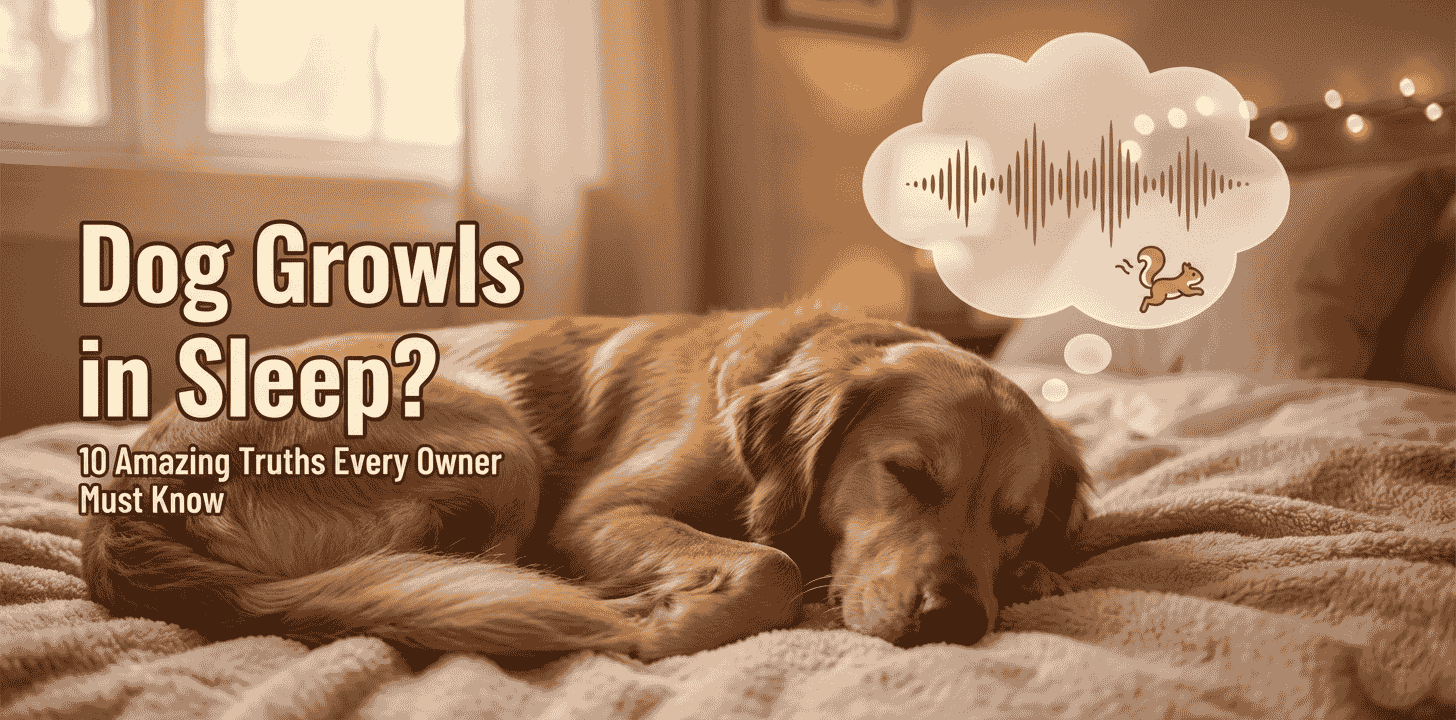
Dog growls in sleep can surprise many pet owners. You might be sitting quietly at home when suddenly your peaceful dog starts making strange noises. It can sound scary, confusing, or even funny. But in most cases, this behavior is completely normal. Dogs are complex animals with active minds, and sleep is an important part of their daily life.
Just like humans talk, move, or make sounds in their sleep, dogs do the same. Growling during sleep is often connected to dreams or natural body reactions. Understanding this behavior helps owners stay calm and respond in the right way.
Many new dog owners worry that sleep growling means aggression. However, that’s rarely the case. Most of the time, your dog is simply reacting to something happening in their dream world.
Is It Normal for Dogs to Growl While Sleeping?
Yes, it’s very normal. Dog growls in sleep happen to pets of all breeds and ages. Veterinarians and animal experts agree that this behavior is part of natural sleep patterns.
Dogs experience different stages of sleep, including deep sleep and REM sleep. During these stages, their brains remain active. That activity can lead to small movements, barking sounds, whimpering, and growling.
Think about how humans sometimes talk or laugh in their sleep. Dogs have similar experiences. Sleep growling doesn’t usually mean your pet is upset or dangerous.
The Science Behind Dog Dreams
Research shows that dogs dream much like people do. Their brains process daily events while they rest. When your dog runs, plays, or explores during the day, those memories may replay at night.
During dreams, dogs might imagine chasing a ball, meeting another dog, or protecting their home. These dream situations can trigger natural responses like tail wagging, paw movements, or even soft growls.
So when a dog growls in sleep, it often means they’re deep inside a dream adventure.
Common Reasons Dogs Growl in Their Sleep
There are several common causes behind this behavior. Let’s look at the most important ones.
Dreaming and REM Sleep
The most frequent reason for sleep growling is dreaming. In the REM stage of sleep, a dog’s brain becomes very active. This is when dreams happen.
Your dog may growl because, in their dream, they’re playing, guarding, or reacting to something imaginary. It’s a healthy and normal part of sleep.
Physical Discomfort
Sometimes dogs growl in sleep because they’re uncomfortable. Maybe they’re lying in an awkward position, or the room is too hot or cold.
Older dogs with joint pain may also make noises while sleeping. In these cases, growling is more about physical feeling than dreaming.
Past Experiences
Rescue dogs or pets with difficult pasts may relive old memories in their sleep. If a dog experienced fear or stress earlier in life, those emotions can show up during dreams.
This doesn’t mean your dog is unhappy now. It just means their brain is working through old experiences.
Body Language Signs to Watch
When a dog growls in sleep, pay attention to other signals too. You may notice:
- Twitching paws
- Moving ears
- Soft barks
- Tail movements
- Rapid breathing
These signs usually confirm that your dog is dreaming. As long as your pet looks relaxed overall, there’s nothing to worry about.
When Sleep Growling Becomes a Problem
Although most sleep growling is harmless, there are rare cases when it points to a bigger issue. Owners should watch for unusual patterns.
If your dog suddenly starts growling every night, wakes up frightened, or seems aggressive after waking, something deeper may be going on.
Signs of Stress or Anxiety
Dogs dealing with anxiety may show extra noises during sleep. Look for signs such as:
- Restlessness
- Hiding
- Loss of appetite
- Excessive barking while awake
- Fear of normal activities
In these situations, sleep growling could be connected to emotional stress.
Should You Wake a Growling Dog?
Experts usually say no. Waking a dog that growls in sleep can startle them. A frightened dog may react without thinking and could accidentally snap or bite.
It’s better to let your dog finish their dream. Most episodes last only a few seconds or minutes. They’ll calm down on their own.
If you must wake your dog, do it gently from a distance by calling their name softly.
How to Create Better Sleep Habits
Helping your dog sleep well can reduce strange noises at night. Good habits make a big difference.
Comfortable Sleeping Space
Make sure your dog has a cozy bed in a quiet area. The bed should match their size and support their body.
A calm environment helps dogs relax deeply. Less stress means fewer intense dreams.
Daily Exercise and Routine
Dogs that get enough exercise tend to sleep more peacefully. Regular walks, playtime, and mental stimulation burn extra energy.
A steady daily routine also helps your pet feel safe and secur
Health Issues Linked to Sleep Growling
In rare cases, medical problems can cause unusual sleep behavior. Conditions like pain, seizures, or neurological issues may lead to growling sounds.
If the behavior is new or extreme, it’s smart to talk with a veterinarian. Health checks rule out serious concerns.
Training Tips for Concerned Owners
Training won’t usually stop dog growls in sleep, because the dog isn’t aware they’re doing it. But you can still help by:
- Reducing daily stress
- Avoiding late-night excitement
- Giving calming toys
- Keeping bedtime consistent
A relaxed dog during the day often sleeps better at night.
Puppies vs Adult Dogs: Differences
Puppies tend to growl, twitch, and move in their sleep more than adult dogs. Their brains are developing quickly, and they dream a lot.
Older dogs may growl due to aches or age-related changes. Understanding your dog’s life stage helps you judge what’s normal.
When to Contact a Vet
You should seek professional help if:
- Growling happens with shaking or seizures
- Your dog seems in pain
- Behavior changes suddenly
- Aggression appears after waking
- Sleep problems disturb daily life
A vet can check for medical or behavioral issues.
FAQs About Dog Growls in Sleep
1. Why does my dog growl in sleep suddenly?
Sudden sleep growling usually happens because your dog entered a deep dream stage. It’s typically harmless.
2. Is a dog having a nightmare when growling?
Not always. Growling can happen in normal dreams, not only scary ones.
3. Can I stop my dog from growling in sleep?
No, because it’s an unconscious action. You can only improve sleep comfort.
4. Do all dog breeds growl in their sleep?
Yes, any breed can show this behavior. It’s not limited to specific types.
5. Should I be worried about aggressive behavior?
Sleep growling alone doesn’t mean aggression. Watch how your dog acts when awake.
6. Is sleep growling more common in older dogs?
It can be, especially if they have joint pain or health problems.
Final Thoughts and Conclusion
Dog growls in sleep may sound alarming, but in most cases, it’s a normal and harmless behavior. Dogs dream, react, and express themselves just like humans do. Understanding this helps owners stay calm and confident.
By providing a safe home, regular exercise, and proper care, you can ensure your dog enjoys peaceful rest. Pay attention to unusual changes, but don’t panic over everyday sleep noises.
For professional guidance on managing your dog’s safely and effectively Read this article.
Your dog trusts you to understand them, even when they’re dreaming. With the right knowledge, you can relax knowing that a little growling at night usually means nothing more than an active imagination.