Understanding the Behavior
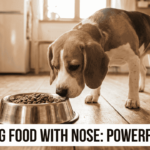
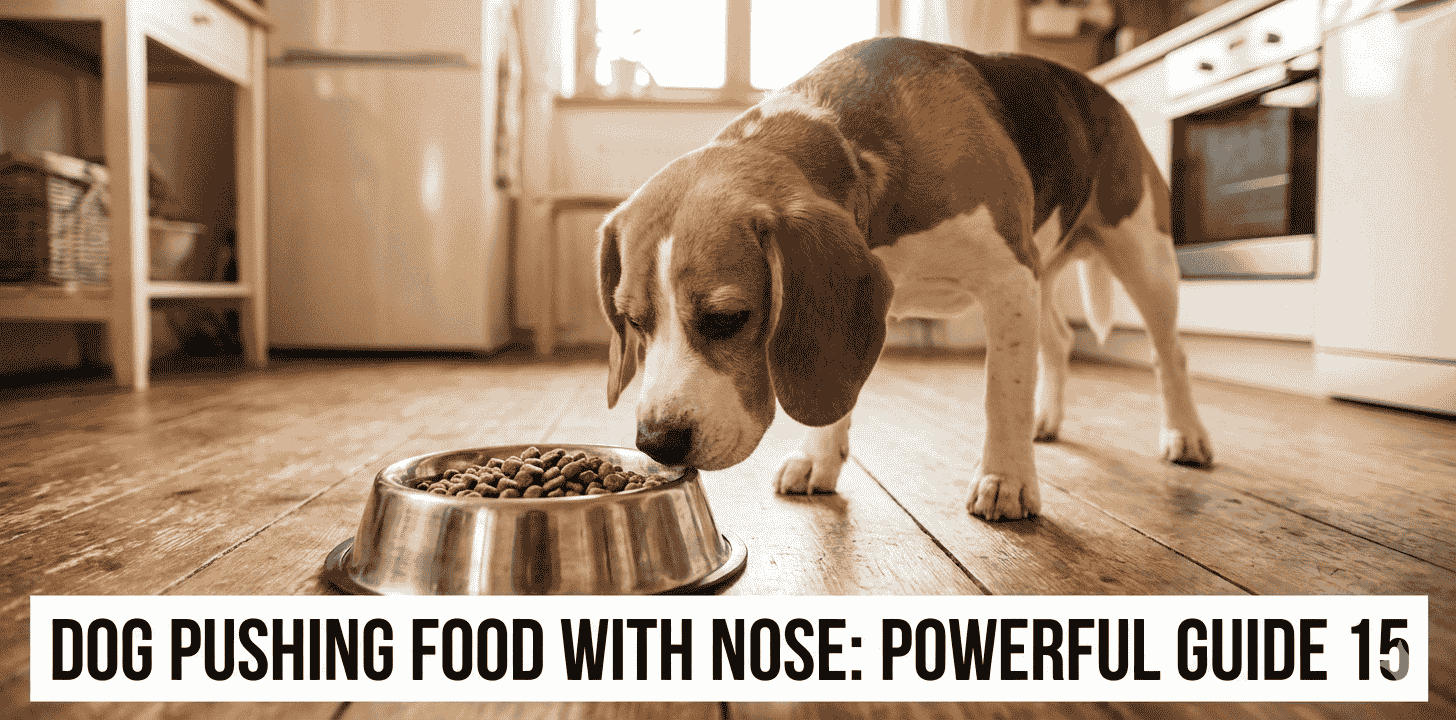
Many pet owners eventually notice a curious habit. Their dog nudges food around with its nose instead of eating right away. You place a full bowl of tasty food in front of your furry friend, and instead of digging in, they start pushing it around. It can look funny, confusing, or even a little worrying, but don’t panic. This behavior is more common than you might think.
Dogs experience and interact with the world through their noses. Sniffing, nudging, and pushing are natural parts of how they explore and communicate. When a dog pushes food with its nose, it’s usually tied to instinct or communication. Sometimes it’s harmless curiosity, and other times it may signal something deeper, like anxiety or a preference for a different eating routine.
Understanding why your dog does this is the first step toward addressing it. By paying attention to the context, such as their mood, environment, and overall behavior, you’ll be able to figure out whether nose pushing is simply a quirky habit or something that needs a closer look.
What It Means When Dogs Push Food With Their Nose
When a dog pushes food with its nose, it usually points to one of three things. Your dog may be trying to hide the food, test it before eating, or signal that something doesn’t feel right. Since dogs can’t talk, they rely on body language to express their feelings, and nose nudging is one of those signals.
This behavior can happen with both dry kibble and wet food. Some dogs nudge the bowl itself, while others push pieces of food out onto the floor. Each action offers clues about what your dog might be thinking or feeling in that moment.
Most of the time, this habit doesn’t mean your dog is being stubborn. Instead, it’s a natural reaction based on instinct, curiosity, or personal preference. Understanding the context, such as your dog’s mood, environment, and routine, will help you figure out whether nose pushing is simply a quirky habit or something that needs attention.
Common Reasons Dogs Push Food With Their Nose
There isn’t just one reason behind this behavior. In fact, there are several common causes that explain why dogs nudge food instead of eating right away.
Instinctive Behavior From Wild Ancestors
Long ago, wild dogs didn’t always eat immediately. Sometimes they buried food to save it for later. Pushing food with the nose can be a leftover instinct from those survival days.
Even though your dog now lives in a safe and comfortable home, those natural habits can still appear. When your dog nudges food, it may be trying to “hide” it for later.
Dislike of Food or Texture
Dogs can be picky eaters just like people. If your dog doesn’t enjoy the smell, taste, or texture of the meal, it may push it away.
A sudden change in brand or flavor can trigger this reaction. Stale or spoiled food can also cause your dog to avoid eating.
Anxiety Around Feeding
Some dogs feel nervous during mealtime. Loud noises, the presence of other pets, or a busy environment can make them uncomfortable.
In these cases, pushing food with the nose becomes a way to delay eating. Your dog may want to eat but doesn’t feel safe enough to relax.
Attention‑Seeking Habit
Dogs are smart and quickly learn what gets your attention. If they notice that pushing food makes you react, they may keep doing it.
Even negative attention can reinforce the behavior. Your dog learns that nudging the bowl brings you running, so they repeat it.
Is Nose Pushing Normal for Dogs?
Yes, in many situations this behavior is completely normal. Plenty of healthy dogs do it from time to time.
However, normal doesn’t always mean ideal. If the habit happens every single day or suddenly appears out of nowhere, it’s worth paying closer attention.
Occasional nudging is perfectly fine and usually harmless. But constant refusal to eat or repeated pushing of food can signal that something isn’t right. In those cases, it may be time to look at your dog’s diet, environment, or overall health.
When Nose Pushing Has a Medical Cause
Sometimes a dog pushing food with its nose isn’t just a quirky habit. It can be linked to health problems, which is why it’s important to observe your pet closely and notice any changes in eating behavior.
Dental Problems
Tooth pain or gum issues can make eating uncomfortable. Dogs with sore gums, broken teeth, or dental disease often avoid chewing. Instead of eating, they may push the food around because they want it but can’t handle the pain.
Digestive Issues
Stomach problems can reduce appetite. If your dog feels bloated, nauseous, or generally unwell, it may nudge or play with food instead of eating it. Watch for other signs such as vomiting, diarrhea, or changes in stool.
Loss of Appetite
Serious health conditions can also cause sudden appetite changes. If your dog stops eating and only pushes food around, it’s a clear signal that something may be wrong. In these cases, a vet visit is essential.
Never ignore long‑term changes in eating behavior. Paying attention early can help you catch medical issues before they become more serious.
How to Stop Dogs From Pushing Food With Their Nose
The good news is that this habit can usually be fixed with a few simple steps.
Identify the Cause
Start by figuring out why your dog is nudging food instead of eating. Once you understand the reason, you can choose the right solution.
Practical Tips to Try
- Feed your dog at the same time every day
- Offer fresh, high‑quality food
- Limit treats so they don’t lose interest in meals
- Create a calm, quiet feeding space
- Stay neutral and avoid reacting strongly to nudging
Consistency Matters
Dogs learn best through routine. When you stay consistent with feeding times, training, and reactions, your dog will quickly understand what’s expected. Over time, the habit of pushing food with the nose usually fades away.
Training Tips to Stop Nose Pushing
Training can make a big difference in how your dog approaches mealtime. The goal is to teach your dog that mealtime is for eating, not for playing with food.
Use the 15‑Minute Rule
Put the food bowl down for about 15 minutes. If your dog doesn’t eat during that time, remove the bowl and try again later. This method helps build good habits and teaches your dog that food is available only during mealtime.
Reinforce Calm Eating
Praise your dog when it eats calmly without nudging or pushing food around. Positive reinforcement works wonders and helps your dog associate good behavior with rewards.
Stay Consistent
Consistency is the key to success. Dogs learn best through routine, so stick to the same feeding schedule and training approach every day. Over time, your dog will understand what’s expected and the habit of pushing food with the nose will fade.
Could the Bowl Be the Problem?
Sometimes the food bowl itself is the reason behind nose pushing. Metal bowls can reflect light or make clanging sounds that scare nervous dogs. Bowls that slide across hard floors can also be distracting or annoying during mealtime.
Better Bowl Options
Try switching to one of these setups to make feeding more comfortable:
- Non‑slip bowls that stay in place
- Ceramic dishes that feel sturdy and quiet
- Elevated feeders that reduce strain on the neck
- Shallow plates for small dogs that make food easier to reach
The right feeding setup can reduce pushing, nudging, and hesitation, helping your dog feel more relaxed and focused on eating.
Why the Feeding Environment Matters
Environment plays a bigger role in mealtime than most owners realize. Dogs need a quiet, safe, and stress‑free place to eat in order to feel comfortable.
Keep Feeding Areas Away From
- Loud appliances such as washing machines or vacuums
- Busy hallways where people constantly walk by
- Other pets that may cause competition or distraction
- Small children who might interrupt or startle the dog
A relaxed dog is far more likely to eat properly. By creating a calm feeding space, you reduce stress and help your dog focus on enjoying its meal instead of pushing food around with its nose.
Real-Life Example: How One Owner Solved Nose Pushing
Sarah, a dog owner from Texas, struggled with her Beagle named Max. Every morning, Max would push his kibble across the kitchen floor with his nose. At first, Sarah thought he was just being difficult.
After paying closer attention, she realized the bowl was sliding and making noise, which made Max uncomfortable. She switched to a rubber‑bottom bowl and set up a quiet corner for feeding.
Within a week, Max stopped pushing his food and began eating normally. This simple adjustment solved months of frustration and showed how small changes can make a big difference in a dog’s eating habits.
This real example highlights that when a dog pushes food with its nose, the solution is often straightforward. A little observation and a few adjustments can bring big results.
When to Contact a Vet
In most cases, a dog pushing food with its nose is harmless. But health should always come first, and there are times when professional help is necessary.
You should contact a veterinarian if:
- Your dog refuses food for more than 24 hours
- Noticeable weight loss occurs
- Vomiting or diarrhea appear alongside the behavior
- The habit starts suddenly without explanation
- Your dog shows signs of pain or discomfort
Occasional nudging is normal, but persistent refusal to eat or sudden changes in feeding behavior can point to an underlying issue. Paying attention early helps protect your dog’s health and well‑being.
Preventing Nose Pushing Starts Early
It’s always easier to prevent bad habits than to fix them later. That’s why it’s important to start training puppies early.
Teach good feeding manners from the very first day. Use stable bowls that don’t slide, set up calm spaces away from distractions, and stick to regular feeding schedules.
Young dogs learn quickly, and the routines you establish now will shape their behavior for years to come. By creating positive mealtime habits early, you can prevent problems like nose pushing before they ever start.
Final Thoughts
Dog pushing food with its nose may look strange, but it’s usually easy to understand. In most cases, the behavior is linked to instinct, personal preference, or the environment around mealtime.
With patience and careful observation, you can guide your dog toward better eating habits. Pay attention to changes, stay calm, and avoid jumping to conclusions.
A happy dog and peaceful mealtime are absolutely possible when you take the right approach. Small adjustments often make a big difference, turning a quirky habit into a smoother, stress‑free routine.