








Introduction
Dogs come in all shapes and sizes, each one possessing unique traits that were once developed for practical purposes. Among these, the presence of webbed feet is an interesting feature not everyone notices at first glance. It might seem unusual, but for many breeds, this genetic trait plays a vital role in their daily lives, especially when it comes to activities like swimming, digging, or navigating tricky terrain. Webbed feet give these dogs a distinct edge that makes them highly effective in specific environments.
In fact, certain breeds are specifically known for their webbed feet, which have been developed over generations to serve their particular needs. Whether you’re an active swimmer or an outdoor explorer, caring for your dog’s paws becomes essential, as these webbed feet may require special care to stay in good condition. The webbing, hidden under the fur, is not just a quirky physical trait; it’s a super feature that contributes to their impressive traits, like their sharp hearing skills, low-light vision, and sense of smell, all of which have been inherited from their wild pack animal ancestors. These traits are not just about survival, but about thriving in different environments, from wet conditions to the great outdoors, making these dogs incredibly adaptable.
Do All Dogs Have Webbed Feet?
From my years around working dogs and outdoor breeds, I’ve noticed that dogs don’t all have the same kind of feet. Most have some webbing between their toes, but only certain breeds show it clearly in their paws. In these dogs, the webbed design comes from extra skin, which allows them to move better and excel in water or swampy terrain. This isn’t something you always spot right away, but once you handle their feet, the difference is obvious.
Looking deeper, this special feature exists because these dogs were bred to work in wet environments. Many were trained to hunt waterfowl, assist sailors, or help people in water-based jobs where balance and movement matter. I’ve personally seen how this design helps dogs stay steady, strong, and confident when their surroundings are slippery or flooded, proving that form really does follow function here.
Dogs with Webbed Feet: Why Do Some Dogs Have Webbed Feet?
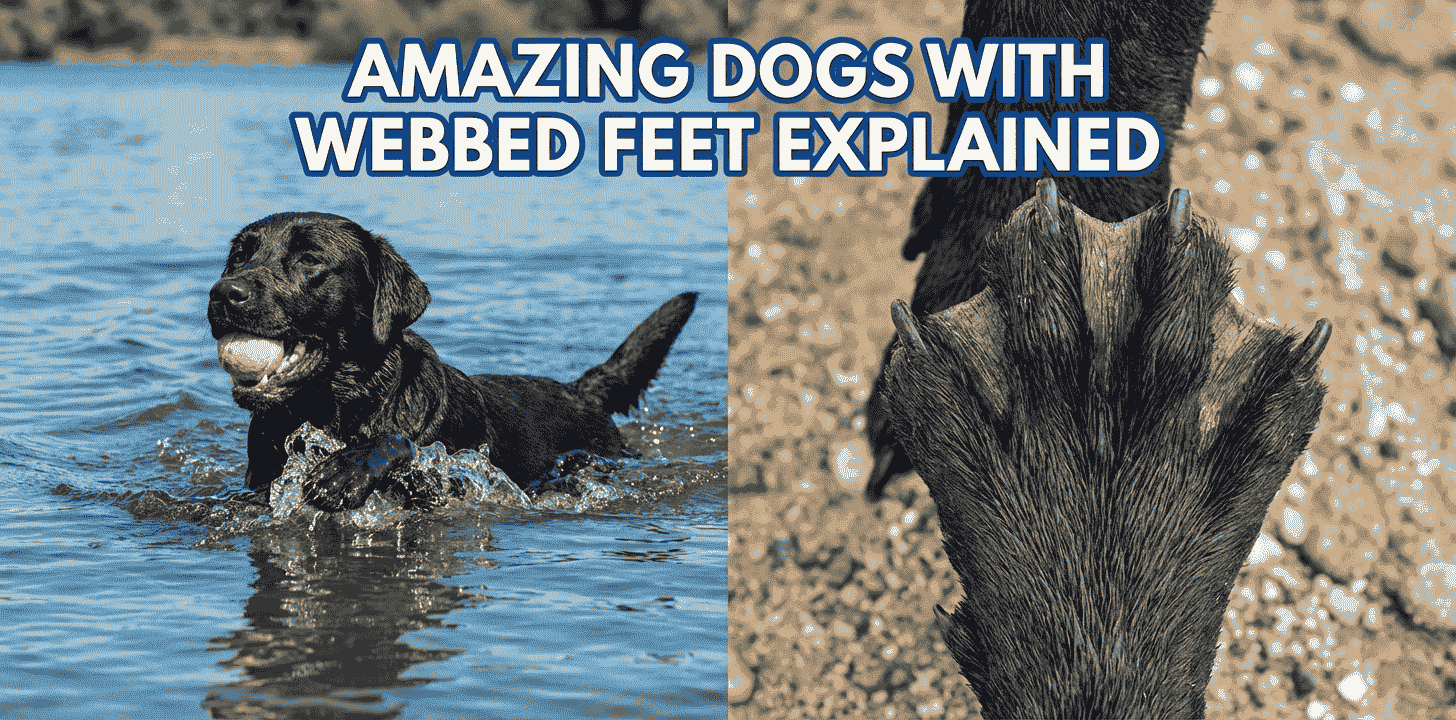
Webbed feet in dogs are an interesting feature that have developed over centuries. It’s not just a quirky accident; it’s the result of selective breeding by humans for specific working purposes. Dogs with webbing between their toes have a thin membrane of skin connecting them, which provides a practical advantage. This feature is most commonly seen in certain breeds, especially retrievers and water dogs, that were bred to recover game from lakes and rivers. The wider surface area between the toes helps these dogs paddle efficiently, making them excellent swimmers.
In other breeds, like terriers, the webbing between the toes provides extra grip for digging through soil, a task these dogs were originally bred for. Though the webbed feet may seem like a simple quirk, it is actually a vital adaptation that has helped many hardworking dogs throughout history. Whether it’s for retrieving in water or digging in the ground, webbed feet are a key feature that has made these dogs more efficient at their specific tasks.
Labrador Retriever: The Water Specialist
Labradors are well-known as excellent swimmers, thanks to their webbed feet that act as natural flippers, making swimming through water effortless and powerful. Originally bred by fishermen in Newfoundland, these dogs were designed to assist in retrieving items from water. Their waterproof coat helps them stay dry while they work, making them one of the most common breeds for aquatic tasks. With their strong swimming abilities, Labradors are the perfect companion for anyone who needs a reliable dog in water-based environments.
Newfoundland Dogs
The Newfoundland is a giant dog breed that’s perhaps the most well-known for its webbed paws. Historically, these dogs have been used as lifeguards, and their main role was to help with water rescues. Their strength combined with those large webbed feet makes them incredible swimmers, enabling them to swim with ease in challenging waters. Even today, in some parts of the world, Newfoundlands are specially trained to perform lifesaving work in the sea. I’ve always been fascinated by these dogs, as their abilities go beyond just swimming—they’re dependable and strong, truly unmatched in the water.
Portuguese Water Dog with webbed feet
In the canine community, PWDs stand out as talented, intelligent, athletic swimmers—the kind of Dogs whose strong webbed feet feel made for water. Their waterproof curly coat and furry charm once made them first mates for hundreds of years, as they assisted sailors on boats with fishing, retrieving tackle, delivering messages, and conducting water rescues.
Beyond the deck, these Dogs enjoy sports and other activities—they need lots of exercise, excel with runners, and shine in agility and tracking while staying eager to please and get along well with young children. The name suggests exactly what this Dog was bred to do: assist fishermen by retrieving nets and messages between boats; those strong webbed feet helped them move swiftly in the water, making them indispensable working partners before modern technology took over.
German Shorthaired Pointer
From my time working with active breeds, the German Shorthaired Pointer always stands out as a true water dog with a distinct edge. This is one of those hunting dogs that feels just as confident on land as it does in water, thanks to the natural webbing between its toes. That small detail gives a real advantage when moving across wet ground, swimming in lakes, or pushing through flowing rivers. I’ve seen how smoothly this breed can shift from running to swimming without hesitation.
What makes the breed even more impressive is how it was bred to track and retrieve in many settings. It is highly versatile, able to switch tasks while staying focused and eager to work. Whether the job involves scent work, long runs, or swimming sessions, this dog handles it with energy and balance. In real outdoor conditions, especially near open water, that mix of strength and smart design becomes easy to appreciate.
Dachshund: Built for Ground Work, Not Just Water
In my years around dogs and working closely with each dog breed, the Dachshund always stands out. Surprisingly, this little hunter has webbed feet, a feature not designed for swimming first, but for digging. Originally bred to chase badgers, badger prey hiding in dens, and other tunneling animals like wild boars, Dachshunds rely on strong webbing to shift dirt and soil quickly. Those feet work like natural shovels, allowing them to cut into the ground, grip firmly, and use their bodies with purpose, making them accomplished hunting companions in this specific case.
From experience, I’ve seen Doxies can swim, although not all are famous for strong swimming abilities. In water, they don’t have elite skills like some other breeds on the list of dogs with webbed feet. Their short legs are not fully adapted for long-distance paddling, so it’s smart to keep trips to the pool or lake brief. They do possess enough strength to enjoy light play, but they primarily shine on land, where their design truly helps them work with confidence rather than relying on open water.
Chesapeake Bay Retriever — Built for Cold Water Work
From my time training dogs near the coast, I learned quickly why the Chesapeake Bay retriever stands out among swimmers. This outstanding swimmer was bred in the Mid-Atlantic region of the U.S. and developed to withstand icy, chilly waters during winter hunting. With webbed feet and a thick coat, this skilled breed can retrieve ducks, catch game, and help handlers even in harsh conditions where other dogs may struggle.
Often called Chessies, these prized dogs show the quintessential qualities of affection, loyalty, energy, and intelligence. In my experience, they need strong physical and mental stimulation, and structured water games like fetch, dock diving, and tracking drills keep them feeling their best. When trained well, their natural skills shine, proving why this breed remains so respected around working harbors and open waters.
Other Breeds, Real-World Use
Other breeds with noticeable webbing include the Weimaraner, Otterhound, Irish Water Spaniel, and even the humble Poodle. In all cases, the trait links back to a practical need, whether swimming or digging, and as someone who has spent years around active dogs and trained a Poodle that loved lake days, I’ve seen how dogs with webbed feet use this trait naturally, not as a gimmick but as a response to Water, land, and work, where webbing quietly supports movement and balance in everyday cases without people even noticing it.
How Webbed Feet Help Dogs Today in Everyday Life
In modern life, I’ve seen how dogs with webbed feet fit naturally into family homes as companions, yet that old feature still has a real role. Many are kept primarily as close canine friends, but owners quickly notice their love for water. Whether it’s swimming in lakes, rivers, or small pools, they jump in happily, often paddling without fear. For active people, this opens opportunities for shared outdoor adventures, where a dog becomes a true partner at play, diving in with a natural ease that helps both human and pet enjoy time together. This isn’t limited to a few breeds; it’s a trait that can still be seen across many dogs whose instincts quietly persist.
From another angle, I’ve also watched how webbing shows up in daily behaviour beyond water. A Dachshund, for example, was meant for digging, and that instinct tend to continue, whether burrowing into blankets or tearing up the garden. In the wider world, this same asset supports working dogs in hunting, search, and rescue, where teams and organisations rely on these sporting groups to move confidently through tough terrain and water. Across tasks, from home to field, webbed feet quietly continue to shape how dogs live and work alongside us.
Caring for Webbed Paws the Smart Way
I always pay close attention to trimming first, because when fur between the toes starts to grow long, it can mat and feel uncomfortable, especially in breeds like Labradors and Newfoundlands. Keeping things tidy is one of those practical things that really helps with keeping paws clean, comfortable, and healthy. I’ve seen how this can reduce the risk of tangles, irritation, and even infection, which is why trimming becomes a good habit and an important part of the care routine for any dog with noticeable webbing.
From daily experience, regular inspection matters just as much. The extra skin can trap debris, dirt, small stones, grass, and seeds easily, and if left unchecked, it can cause issues fast. I make a point of checking after walks and swims, because many dogs adore swimming and often spend too long in wet or damp environments, which can lead to fungal infections. Drying the paws thoroughly after a swim is something I always remember, since webbed feet are not invincible and can still suffer cuts, cracks, or soreness on the paw pads. In dry conditions, using a balm or protective boots when walking on rough terrain keeps them safe and comfortable.
Clearing Up Confusion About Webbed Paws in Dogs
From my years of working with dogs, I’ve seen many misconceptions shape how people care for webbed feet. Many think only water-loving dogs have a degree of webbing, but the truth is that all dogs have some level of it, even if it’s more pronounced in certain breeds. Some believe this feature is a guarantee that a dog will love swimming or water, and while many breeds do enjoy it, every individual dogs may prefer to keep their paws dry.
Another common myth I often hear at clinics is that webbed feet need special treatment beyond normal paw care. In practice, a few extra checks are sensible, but they don’t require a completely different grooming routine. The key is simply being observant and proactive about paw health, which is something I always remind new dog owners after years of hands-on experience.
Is Should You Choose a Dog with Webbed Feet? the Right Question to Ask
From my own time raising active breeds, I have learned that high energy levels come first when living with dogs with webbed feet. They need daily mental and physical stimulation, or boredom shows fast. A Labrador is a great example—more than a strong swimmer, this breed is a true working dog, and without enough tasks or play, it can turn restless even in a loving home. Thinking about this early helps match your lifestyle with the dog’s natural drive.
If you love Swimming, hiking, or cold-weather adventures, these dogs can be wonderful partners outdoors, but structure matters just as much as fun. I have seen a Dachshund use its webbed feet for digging, yet it still needs careful training to protect its long backs. When choosing a dog, never focus on a single trait alone; real harmony comes from understanding the full breed’s needs and temperament while enjoying the outdoor life together.
Conclusion
For modern dog owners, dogs with webbed feet are more than a curiosity or an interesting quirk of nature. This feature was shaped over centuries through working partnerships between humans and animals, where certain breeds gained a real advantage. I’ve seen this firsthand while swimming with my own companion who truly loves the water and enjoys staying active. Long ago, these dogs were helping fishermen, rescuing drowning sailors, and digging for prey, performing vital roles in original working roles that required strength, endurance, and trust. Those same capabilities still show today, proving how well they adapted alongside us in fascinating ways.
With the right care, these dog breeds continue to thrive in a family home, blending their history with daily life. Their webbed feet remain a practical feature, offering an advantage during water play and active adventures, while also serving as a reminder of their unique place in the wide variety of breeds. As someone who has trained and lived with several dogs, I’ve learned to truly appreciate how these traits reflect deep partnerships, repeated rescuing, loyal work with fishermen and sailors, and a natural instinct for prey. This rich variety, rooted in history and capabilities, shows how perfectly these dogs fit into both home life and the natural world around us.