







Introduction: Understanding Your Bernese Mountain Dog
The Bernese Mountain Dog is truly a gentle giant. Known for their strong yet soft natured personality, they are a perfect blend of calm and committed behavior. This amazing breed has a long history, originally working on Swiss farms where they were tasked with pulling carts and guarding property. Over time, they’ve become a beloved companion, known for their grace, dignity, and an affectionate temperament that has earned them a loyal following. Their steady nature and good looks only add to their charm.
When it comes to training, the process doesn’t have to be hard. Practicing daily with your dog can turn training into a good time. Whether you’re working on basic commands or teaching your dog to sit, every moment with them is an opportunity for fun. The sound of the rustling treat bag signals to your furry friend that a good time is coming, motivating them to learn and enjoy the process. Training is all about consistency and patience, and with the best training tips, you’ll be able to teach your dog new tricks with ease and joy, strengthening your bond with each session.
Understanding the Bernese Mountain Dog
The Bernese Mountain Dog is a large, solid breed with a striking appearance. Their tri-colour coats and kind eyes make them instantly recognisable. But there’s more to them than just their appearance. This breed is known for their steady and thoughtful energy, which makes them perfect for families seeking a calm, dependable companion. Loyal to their families and gentle with children, they are a true joy to have around.
Unlike some breeds that are excitable or erratic, Bernese Mountain Dogs are not lazy. They thrive in a stable environment where they can enjoy a calm routine. They are not clingy, but they do need to be near their people and don’t do well with long periods of separation. Their presence is part of what makes them ideal for family life, therapy work, and homes that prize steadiness. Their considerable stamina is a testament to how well they can be trained and conditioned when given the right care.
Understanding the Temperament and Behaviour of a Bernese Mountain Dog
The Bernese Mountain Dog is known for its patient and good natured personality, making it a great choice as a companion in households with children or adults. They are generally slow to react, which can be beneficial for families, as they tend to observe before responding, avoiding impulsive actions. However, while they are not typically reactive, their loyalty can lead them to be a little cautious around strangers. It’s important to provide early socialisation to prevent any signs of aloofness or suspicion as they mature. Without exposure to new environments during their formative years, these dogs may become anxious or hesitant, making guidance a vital part of their development.
Bernese Mountain Dogs are not barkers, but they are naturally alert and will let you know when something is amiss. They respond best to calm and consistent communication, as they tend to shut down under pressure rather than being aggressive. It’s important to remember that they want to get things right, but they will do so at their own thoughtful and steady pace, requiring trust and confidence from their owners to feel comfortable in any situation.
Physical and Mental Stimulation
Training a Bernese Mountain Dog requires a good balance of kindness, consistency, and a clear structure to ensure that they respond well. While they may not be fast learners in the traditional sense, their ability to remember what they’ve learned is impressive. It’s important to understand that they are willing to learn, though they might be a bit slow to respond if they feel confused or uncertain. This is why it’s key to use short sessions filled with reward and encouragement, as this works best for them. They thrive when the training is paced properly and when they feel supported in the process. Avoid fast training approaches or anything too flashy, as they may not respond well to that kind of intensity. Instead, focus on building trust, perfecting your timing, and practicing patience.
Exercise is just as important for these dogs. It’s essential to focus on handling, building movement confidence, recall, and loose lead walking from an early stage. Because of their natural strength, leash skills should be introduced early on to avoid excessive pulling. As they have a strong work ethic, it’s also important to provide them with tasks that engage their minds. This could be cart work, fun scent games, or even interactive food puzzles. When these activities are used to keep them engaged, it enhances their training experience and ensures they remain happy and focused.
Training a Bernese Mountain Dog
When training a Bernese Mountain Dog, it’s crucial to focus on their unique needs. These dogs thrive on daily movement but should avoid high intensity exercise, especially during their growth stages. It’s best to keep them away from long hikes or rough play, as these can strain their joints and frame. Instead, opt for moderate walks that provide a good balance of exercise without overwhelming them. Additionally, a bit of sniff time and calm enrichment are key to keeping them mentally stimulated and engaged without pushing them too hard.
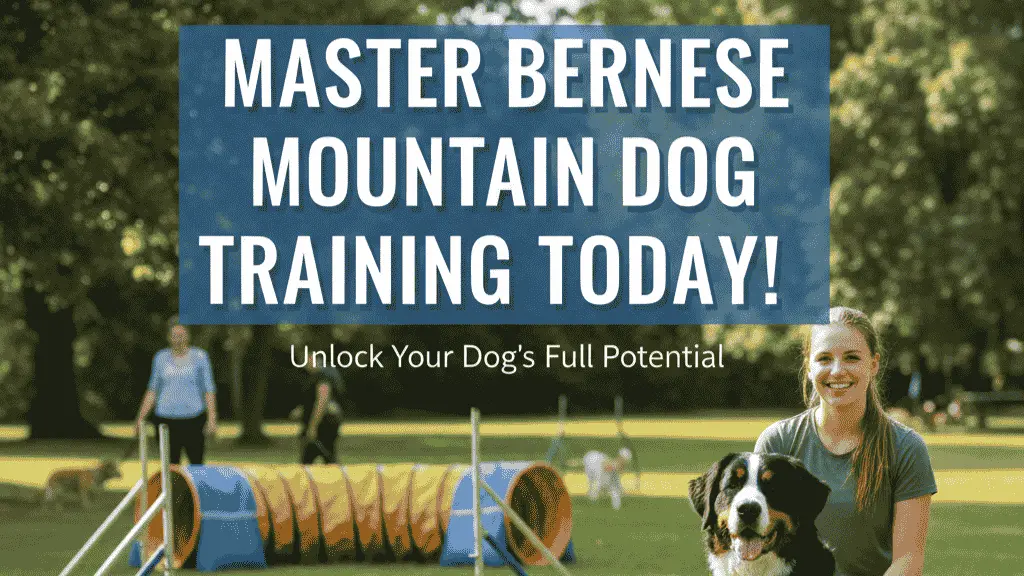
Their training should also emphasize low impact movement to protect their joints, avoiding strenuous activity on hard surfaces. Encouraging body awareness through gentle exercises will help them develop a sense of balance and coordination. Mental challenges, such as basic obedience commands or simple agility tasks, are excellent for them, as they enjoy feeling included and purposeful. However, their training doesn’t need to be all about high-energy exercises; instead, focus on steady, consistent effort with steady output, allowing them to feel fulfilled without the need to burn high energy.
Living with a Bernese Mountain Dog
The Bernese Mountain Dog is a breed that truly thrives in homes with ample space and a consistent routine. Whether you’re in a suburban or rural environment, this dog will be right at home, but it’s not ideal for apartment living unless it can get daily access to outdoor areas. These dogs form a strong bond with their people and can feel unsettled if they are left alone for too long. They prefer companionship over independence and do best when they are included in the daily life of the household. As an owner, being present for your Bernese Mountain Dog will bring out the best in them.
Despite their gentle nature, their large size means they must always be supervised around small children or frail adults. Most of the time, these dogs just want to be nearby, a part of the moment, without seeking constant attention. If you raise them with other animals, they tend to get along well, but without proper social exposure, they can become possessive. It’s essential to set calm boundaries and give them early group experiences to ensure they develop balanced behaviour as they grow. This approach helps them integrate well with others and become the loving, well-adjusted dogs they are meant to be.
Bernese Mountain Dog Training: Are They Suitable for First-Time Large Dog Owners?
Training a Bernese mountain dog requires a steady approach and a lot of commitment, but it can be very rewarding for first-time dog owners, especially when you’re prepared for the physical demands and grooming commitment involved. These dogs may have a large frame, but they are known for being forgiving, affectionate, and responsive when given the right start in training. With the right guidance, Bernese mountain dogs can develop into ideal companions that offer calm loyalty throughout their lives. They don’t require dominance or control, but rather a balance of confidence, clarity, and commitment from their owners. The key to success lies in a steady approach that builds confidence and encourages healthy growth from puppyhood into adulthood.
At Paws Academy, we help owners at every stage, whether it’s building confidence, refining recall, or supporting proper movement and handling. Our team provides evidence-based care and individual support, ensuring that you get the tools needed to help your Bernese mountain dog thrive. With the right care and commitment, these dogs can develop into incredibly loving and loyal pets. By focusing on positive reinforcement and avoiding harsh tactics, Bernese mountain dogs can become well-mannered, responsive animals that make excellent additions to any family.
Health and Care Considerations
When it comes to Bernese Mountain Dogs, taking care of their health is essential for a long, happy life. These dogs have a shorter lifespan compared to many other breeds, so it’s crucial to stay proactive with their care. Regular vet checks are necessary to catch issues like hip and elbow dysplasia, cancer, bloat, and heart conditions early on. Choosing a responsible breeder or considering adoption through rescue organizations is a good start, ensuring that your dog has the best foundation for a healthy life. It’s also important to be mindful of their diet, making sure it’s balanced and managed carefully, especially during their growth stages to avoid issues like rapid weight gain.
Additionally, providing joint supplements, soft bedding, and movement support can help protect their long term health. Emotionally sensitive by nature, these dogs benefit from stress reduction and routine stability in their environment. Consistency in daily routines can significantly enhance their overall wellbeing, keeping them happy and healthy throughout their life.
Final Thoughts
When it comes to training your Bernese Mountain Dog, the journey is deeply rewarding, but it requires patience and commitment. This breed is known for its calm demeanor, strong loyalty, and affectionate nature, making it the ideal match for families who are ready to provide the space, care, and committed guidance they need. The physical presence of a Bernese brings a sense of security, while their emotional connection with their owners is both profound and enduring, allowing for a lifelong connection filled with unwavering trust.
At Paws Academy, we offer tailored support to help owners foster the best training structure and handling guidance that suits their Bernese’s individual needs. With the right approach, this extraordinary breed will thrive under steady leadership and sensitivity, ultimately building a bond that grows stronger over time. Through proper care planning and an understanding of the breed’s needs, owners can ensure their Bernese Mountain Dog flourishes in a well-balanced, harmonious environment. Be sure to grab a copy of the Modern Bernese Mountain Dog Handbook to dive deeper into effective training methods and create a fulfilling life with your furry companion.