








A yeast infection on your dog’s paw is a common but uncomfortable condition that can leave both you and your pet feeling frustrated. When your dog starts licking or biting their paw excessively, it could be a sign of irritation and discomfort, often due to a yeast infection. The symptoms of this infection may include itching, redness, and a persistent odor, which are difficult to ignore. As a pet owner, it’s essential to recognize these signs early on, so you can address the issue quickly and prevent further discomfort.
The causes of a yeast infection can vary, but it’s crucial to explore the possible triggers, such as moisture, allergies, or even an existing health condition. If left untreated, these infections can lead to more serious issues for your dog’s health. Thankfully, there are various treatment options available that can bring relief to your furry friend and help them regain their comfort. By staying vigilant and acting quickly, you can make a difference in your dog’s well-being, providing them with a healthier, happier life.
Understanding Dog Yeast Infections on the Paw
A dog yeast infection on the paw occurs when the yeast, which naturally lives on a dog’s skin, grows out of control due to certain conditions. Normally, this fungus is harmless and part of the dog’s body, found in areas like the ears and digestive tract. However, when the balance of the yeast is disturbed, often by excessive moisture or allergies, it can lead to an infection. Dogs with compromised immunity or those living in humid environments are particularly prone to developing these infections, especially when their paws are frequently wet but not properly dried after activities like bathing or swimming.
The paws are an ideal location for the yeast to thrive since they are often exposed to warm, moist environments. This creates the perfect setting for the yeast to multiply, leading to symptoms such as irritation, discomfort, and visible redness. Dogs may instinctively lick their paws, which can worsen the situation. The likelihood of a yeast infection increases when these conditions persist, and it’s crucial for pet owners to recognize the symptoms early to prevent further infection. Even in places with a warm climate, like New Braunfels, it’s important for pet owners to stay vigilant and keep their dogs’ paws clean and dry to avoid future outbreaks.
Dog Yeast Infection on Paw: Symptoms to Watch For
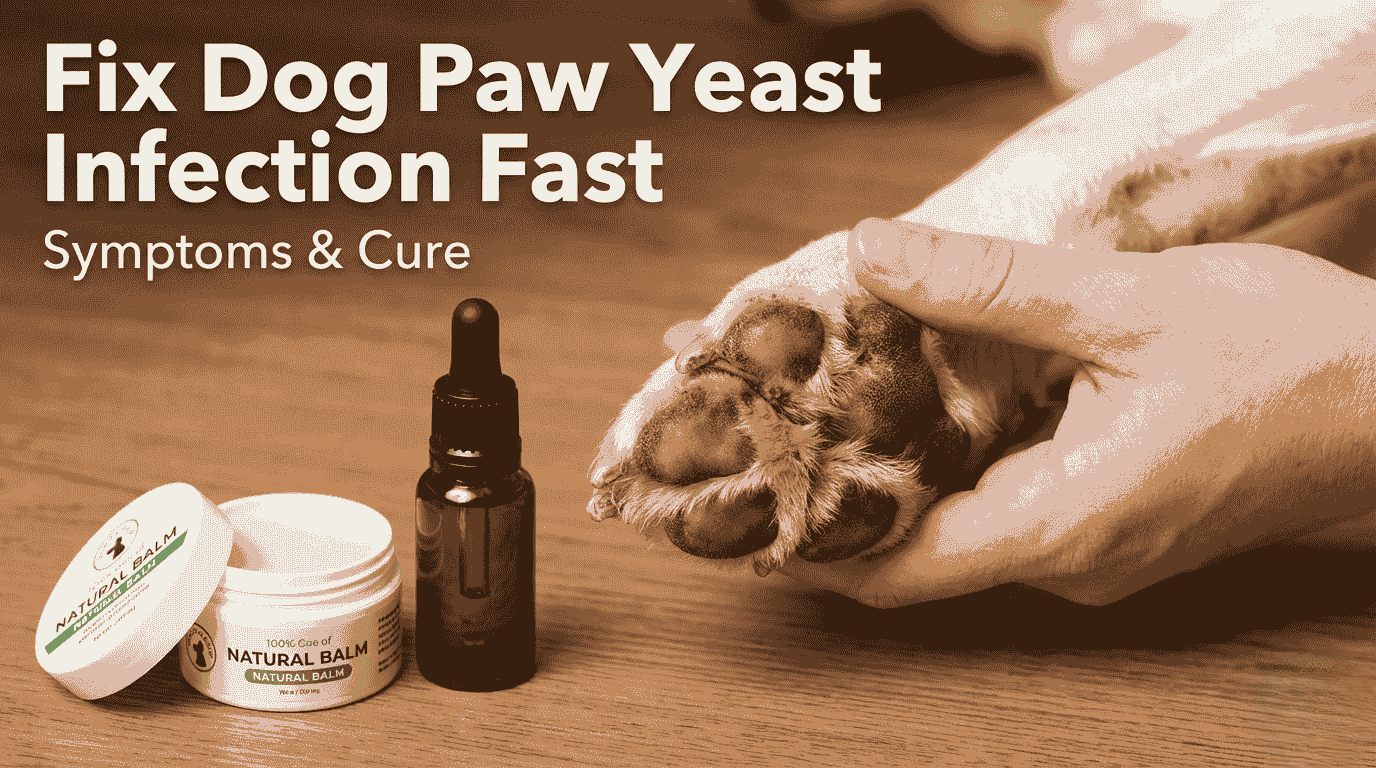
When your dog suffers from a yeast infection on their paw, it can be uncomfortable and distressing. You might notice them licking, biting, or chewing their paws excessively. This is often due to irritation caused by the infection. The redness and swelling around the affected area, especially between the toes and on the pads, can be a clear sign. If left untreated, the skin can become thickened, rough, or even flaky, with a musty odor that is hard to miss. Discoloration of the fur, such as a reddish-brown tint, may occur due to the buildup of saliva from constant licking.
Along with these visible signs, you may also notice your dog limping or favoring the affected paw, indicating discomfort. They might be reluctant to walk or show signs of discomfort when moving. As the infection progresses, the skin on the paw can become scaly or crusty, making the infection even more painful. If you notice any of these symptoms, it’s crucial to contact your veterinarian for a prompt examination. Untreated yeast infections can lead to further complications that will be harder to manage.
Tips for Avoiding Future Yeast Infections
To prevent future yeast infections on your dog’s paw, it’s essential to focus on hygiene and maintaining a routine of regular check-ups with your veterinarian. After activities like swimming, walking in wet conditions, or bathing, always ensure that your dog’s paws are thoroughly dried. Dampness can lead to moisture buildup, creating the perfect environment for yeast to thrive. Trimming the excess fur around your dog’s paws can also help in reducing areas where dirt and moisture accumulate, preventing yeast growth.
If your dog has allergies, addressing the triggers with the help of your veterinarian can greatly reduce the risk of future yeast issues. A balanced diet can also play a role in boosting your dog’s immune system, which supports their overall skin health. Regular veterinary check-ups help in detecting potential issues before they turn into serious concerns. Finally, wiping your dog’s paws after walks or outdoor activities helps to minimize the chances of moisture accumulation, ensuring your dog stays comfortable and yeast-free. Always follow a treatment plan that is tailored to your dog’s specific condition and seek professional advice to ensure the best care for your pet.
Keeping Your Dog’s Paws Healthy and Free from Yeast Infections
A proactive approach to maintaining your dog’s paw health is crucial to preventing yeast infections. Regular check-ups are essential, along with a balanced diet that supports a strong immune system, as this helps reduce the risk of infections. One of the simplest yet most effective steps is ensuring your dog’s paws are cleaned after exposure to wet or muddy conditions. Hygiene practices such as this go a long way in preventing yeast from growing. Keep an eye on your dog’s paws, and pay close attention to any changes, like redness or odor, which are symptoms of a possible infection. If you notice these signs, don’t wait to consult a veterinarian. Delaying treatment could lead to unnecessary discomfort for your pet and more serious complications.
How to Prevent and Treat Yeast Infections on Your Dog’s Paws
Proper care of your dog’s paws involves consistent effort. Regular cleaning is key to maintaining their health and preventing the yeast from taking hold. Maintaining a good hygiene routine after walks, especially when they are exposed to wet or muddy conditions, is a simple way to avoid infections. In addition, make sure your dog’s diet is rich in nutrients that help support its immune system, which can also reduce the risk of infections. If your dog starts showing persistent signs of a yeast infection on its paws, delaying action could make the situation worse. It’s always better to address it early on by consulting with your veterinarian to prevent further discomfort and complications for your beloved pet.