








Introduction
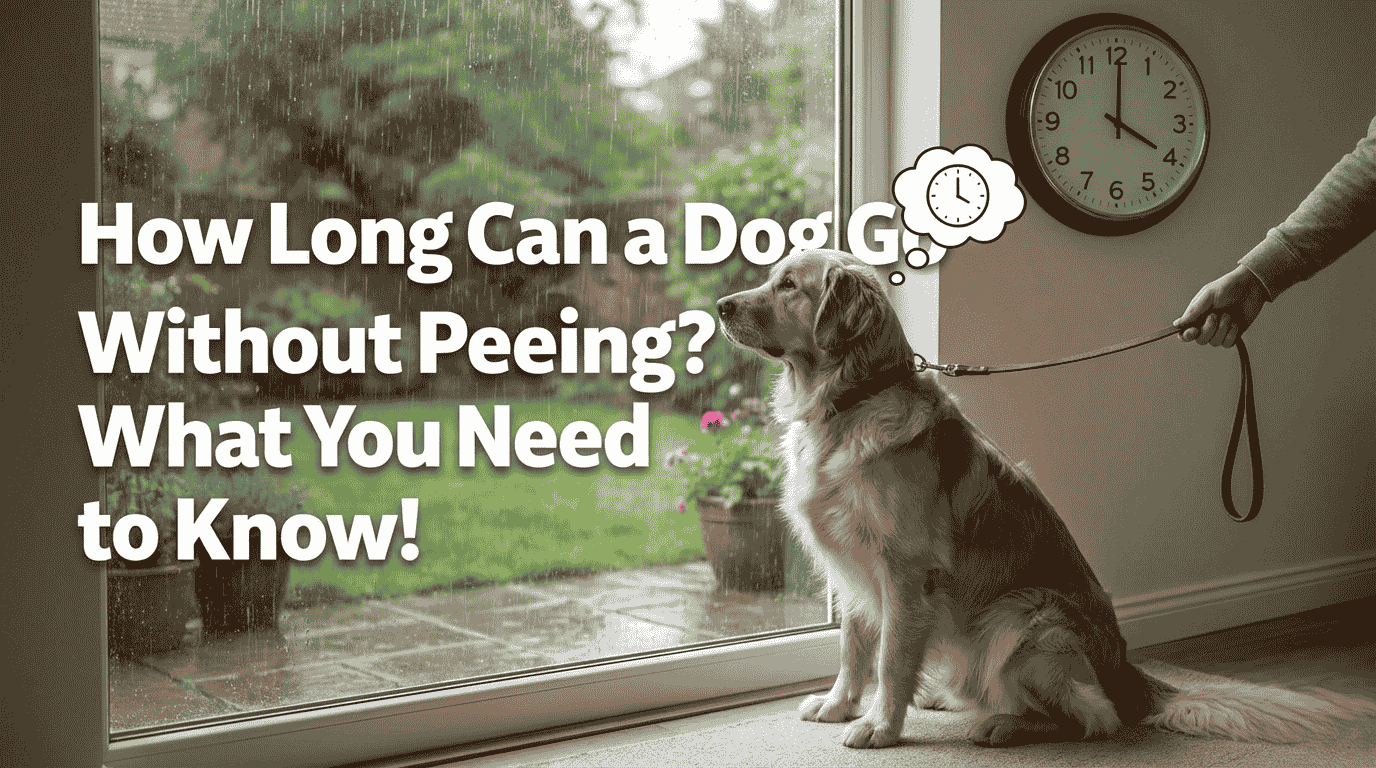
As a dog owner, it’s common to wonder how long your dog can go without peeing, especially when life throws off their usual rhythm. Whether it’s a long car ride, an unexpected schedule change, or a new environment, these changes can affect your dog’s bathroom breaks. While dogs, like us, follow a daily routine for their basic needs, holding urine for too long can be dangerous. It’s important to understand the potential risks of your dog’s urinary health and how factors such as health, stress, or the need to urinate influence their ability to hold it in. As a pet owner, being concerned about your canine companion’s well-being is completely normal, and knowing when to act is key to maintaining their health.
How Many Hours Can a Dog Safely Go Without Peeing?
When it comes to your healthy adult dog, you might wonder how many hours they can go without urinating. Typically, a dog can manage holding it for 8 to 10 hours, especially if they’re well-exercised and have had the chance to relieve themselves before bed. However, this doesn’t mean it’s ideal for them to hold it for that long. In fact, doing so can lead to discomfort and increase the risk of urinary tract issues. You might feel unsure about your dog’s bathroom schedule, but it’s always best to provide them with frequent breaks rather than waiting too long.
Overnight, many dogs can go through the night without a potty break, especially if they’ve had enough exercise before bedtime. But it’s not the same for all dogs. Puppies and senior dogs often need a middle-of-the-night potty break due to their smaller bladders or weaker control.
In more unusual situations, like travel, boarding, or being in unfamiliar surroundings, dogs may hold it for longer due to stress, being anxious, or even feeling unwell. These changes in environment may also affect their bathroom habits. While this might not cause immediate harm, you should always monitor their behavior. If your dog is consistently holding it for too long, it could indicate a medical concern or an ongoing stress issue.
Risks of Holding Urine for Too Long
When your dog goes longer than usual without peeing, several health issues can quickly arise. The most common concern is the risk of a urinary tract infection (UTI). A UTI can cause discomfort and, if left untreated, lead to more serious complications. But that’s not all. Holding urine for extended periods can also result in the formation of bladder stones. In extreme cases, this can lead to a bursting bladder, which is a life-threatening emergency. Dogs that struggle to urinate might start straining or even show signs of bloody or cloudy urine. If you notice these symptoms, it’s crucial to seek veterinary care immediately.
Sometimes, your dog might also start licking their genital area frequently as a response to irritation from holding urine for too long. It’s important to keep an eye out for these subtle signs. The longer the delay in addressing these issues, the more severe the complications can become. When your dog has trouble urinating, always watch for straining, frequent attempts, and other changes in their urine habits. These could be early warning signs that need prompt attention to prevent serious problems down the line.
Key Influences on Dog Bathroom Habits
When it comes to how long dogs can go without peeing, several factors play a role, from their diet to their level of activity. For example, a dog that drinks a lot of water—especially during hot weather or when fed a high-moisture diet—may feel the need to urinate more often. On the other hand, dogs that don’t drink enough fresh water or have less intake could go longer between bathroom breaks. It’s important to monitor your dog’s drinking habits throughout the day and adjust as needed.
Additionally, a dog’s exercise routine and activity levels significantly affect their urinary systems. Regular walks, playtime, and mental stimulation encourage more frequent urination by stimulating the body and promoting a regular bathroom schedule. Dogs that are active throughout the day generally urinate more frequently than those that are sedentary. Environmental factors, such as changes in routine—like moving to a new home, traveling, or having guests—can also influence how often a dog needs to go. Stress or feeling unsafe can make some dogs hold it longer. A consistent, calm environment helps maintain healthy habits and ensures that your dog can follow a comfortable and predictable schedule for bathroom breaks.
Conclusion: Maintaining Your Dog’s Bathroom Health
To support your dog’s healthy bathroom habits, it’s essential to maintain a consistent routine with feeding, water, and walks. These routines not only promote well-being but also help avoid any issues with urination. If you stay on top of their regular schedule and observe their patterns, you can easily spot when something’s wrong. Sometimes, a dog may go a little longer without peeing, but it’s always best to ensure they have enough water and frequent walks. If anything feels out of the ordinary, it’s worth checking with your veterinarian to rule out any health concerns.
Discover essential pet care tips, from health to training, for your furry companion