








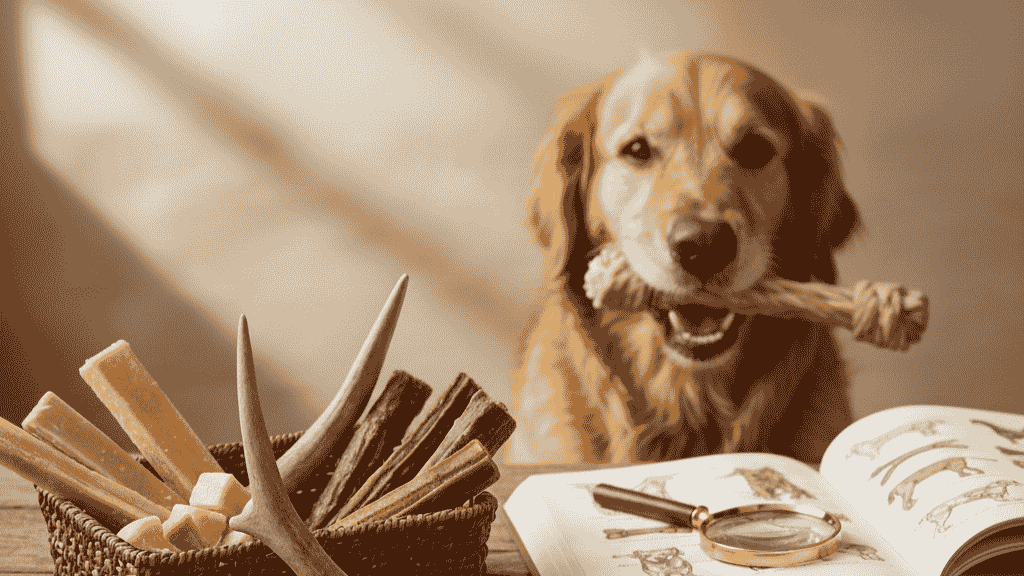
What Are Natural Chew Toys for Dogs?
Natural chew toys for dogs are play and enrichment products made from natural or lightly processed materials like rubber, wood, rope fibers, antlers, or edible animal derivatives. These chews, unlike synthetic toys, are designed to complement rather than challenge a dog’s natural instinct to chew.
Dogs eat stuff. It’s just what they do. Chewing is so deeply ingrained in the dog’s psyche that it’s a behavior hard-wired into canine DNA. Natural chew products for dogs allow them to safely and positively satisfy this instinctual need, without exposure to toxic chemicals and artificial ingredients.
There’s something simple that differentiates these toys. They tend to be biodegradable, green, and more natural, like things a dog might find and eat if dropped on a forest floor. Thus, there also appears to be a correlation in less destructive behavior in many pet owners when natural chews have become a regular part of the day.
Why Natural Chew Toys for Dogs Matter
Let’s be honest—modern dogs live very different lives than their ancestors. They don’t hunt for food or gnaw on bones in the wild. That’s where natural chew toys for dogs step in.
These toys matter because they:
- Prevent boredom-related behaviors like furniture chewing
- Encourage healthy jaw exercise
- Reduce anxiety, especially in young or rescue dogs
- Provide enrichment without screens, batteries, or noise
Moreover, natural chew toys for dogs align with growing concerns about sustainability and pet safety. Many owners want cleaner, greener choices, and this category fits the bill nicely.
Advantages of Natural Chew Toys for Dogs
Dental Health Support
Chewing in essence is a natural way to remove plaque from your dog’s teeth. Natural chew toys may also help reduce tartar buildup and promote gum health over time. But they’re a good supporting act, without replacing brushing.
Textured surfaces, such as rope fibers or natural rubber, provide a gentle gum massage. That’s useful for teething puppies, as well as older dogs.
Mental Stimulation
Dogs require mental exercises as well as physical ones. Natural chew toys for dogs keep their minds occupied, particularly when the toys feature different textures and smells.
A mentally tired dog is calmer, more focused and easier to train. That’s a win-win.
Anxiety and Stress Relief
Chewing releases endorphins. Simply put, it makes dogs feel good. Natural chew toys for dogs are often used by trainers to help with:
- Separation anxiety
- Crate training
- Stress during travel or vet visits
It’s a simple tool, but it works surprisingly well.
Are Natural Chew Toys for Dogs Safe?
Safety is always the big question—and rightly so. While natural chew toys for dogs are generally safe, not all are created equal.
Vet-Approved Safety Guidelines
Veterinarians agree that supervision is key. Even the best chew can become risky if it’s too small, too hard, or damaged.
Size and Texture Considerations
- Choose chews larger than your dog’s mouth
- Avoid ultra-hard items for aggressive chewers
- Replace toys once they splinter or shrink
Supervision Tips
- Observe the first few chew sessions
- Remove toys that crack or shed pieces
- Rotate toys to prevent overuse
When chosen wisely, natural chew toys for dogs are a low-risk, high-reward option.
Types of Natural Chew Toys for Dogs
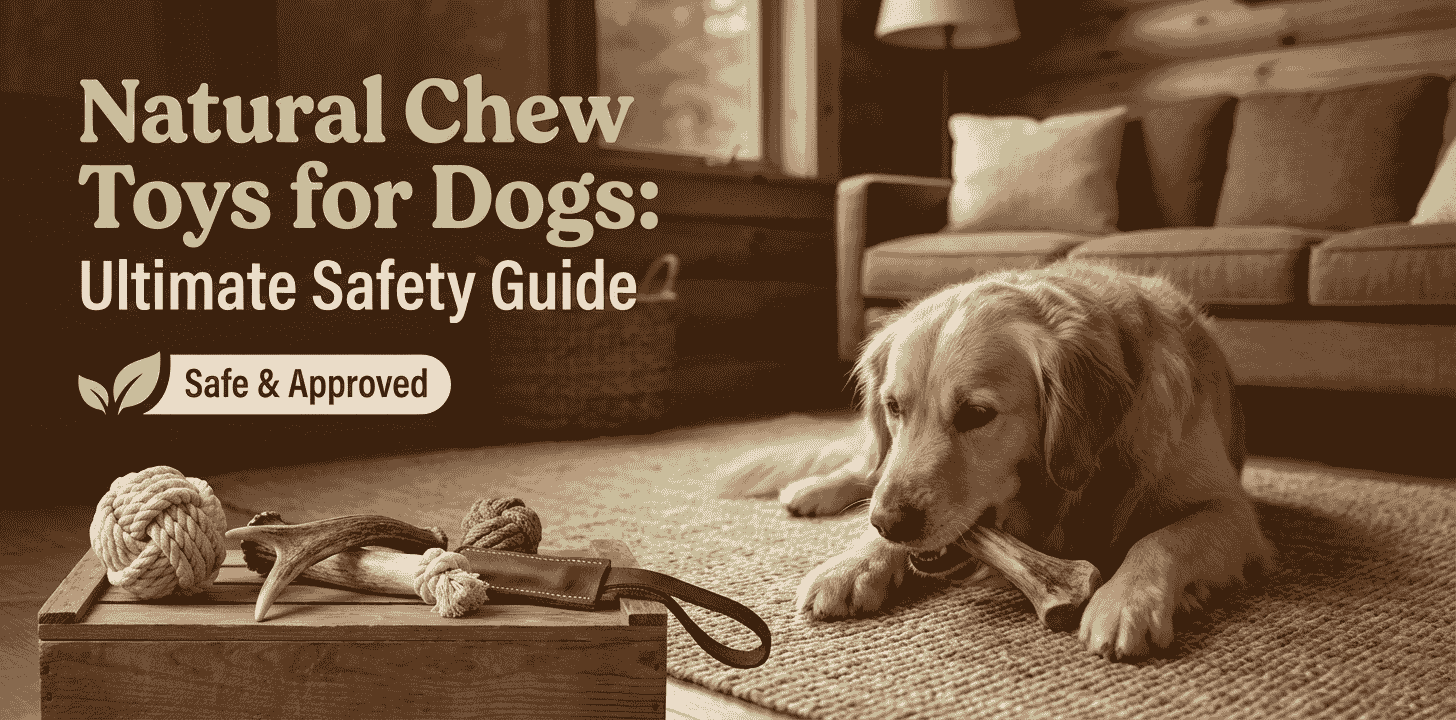
Antlers and Horns
These long-lasting chews are rich in minerals and great for moderate chewers. However, they may be too hard for puppies or seniors with sensitive teeth.
Natural Rubber Chews
Harvested sustainably, natural rubber is flexible yet durable. It’s ideal for dogs that love to gnaw without the risk of sharp edges.
Rope and Fiber Toys
Made from cotton or hemp, rope toys are excellent for tugging and chewing. They also help floss teeth naturally.
Edible Natural Chews
Examples include bully sticks, dried tendons, and fish skins. These natural chew toys for dogs are highly appealing but should be given in moderation.
How to Choose the Best Natural Chew Toys for Dogs
Based on Dog Size
Small dogs need softer, lighter chews. Large breeds require thicker, more durable options. Matching size prevents choking and frustration.
Based on Chewing Style
Is your dog a gentle nibbler or a power chewer? Be honest. Natural chew toys for dogs should match chewing intensity.
Based on Age
- Puppies: softer textures for teething
- Adults: durable but flexible
- Seniors: gentler chews for aging teeth
Common Mistakes Dog Owners Make
Even well-meaning owners slip up. Common mistakes include:
- Choosing toys that are too hard
- Leaving chews unattended for hours
- Never rotating toys, leading to boredom
Avoiding these errors helps natural chew toys for dogs stay safe and effective.
Vet and Trainer Insights (E-E-A-T)
Veterinary behaviorists and certified trainers consistently recommend natural chew toys for dogs as part of enrichment plans. According to the American Kennel Club, structured chewing reduces destructive behavior and improves emotional balance.
External reference: American Kennel Club – Dog Chew Toy Safety
This expert consensus boosts trust, authority, and real-world credibility.
Comparison Table of Popular Natural Chew Toys
| Type | Best For | Durability | Safety Level |
| Antlers | Adult dogs | High | Medium |
| Rubber Chews | All ages | Medium | High |
| Rope Toys | Interactive play | Low | High |
| Edible Chews | Treat motivation | Low | Medium |
Conclusion
Natural chew toys for dogs are not just a fad—they are practical, functional, and based in the biology of dogs. When selected appropriately, they promote dental health, alleviate stress, and allow a dog to be mentally fulfilled. Whether rubber chews or rope toys, there’s a natural solution for every dog and every home.
Picking up the best chew today could mean an unchewed tomorrow, less stress for you, and a wagging tail in your future.
FAQs About Natural Chew Toys for Dogs
1. Are natural chew toys for dogs better than plastic ones?
Yes, in most cases. They’re safer, eco-friendly, and align with natural chewing instincts.
2. How often should I replace natural chew toys for dogs?
Replace them when they shrink, splinter, or show heavy wear.
3. Can puppies use natural chew toys for dogs?
Absolutely, but choose softer textures designed for teething.
4. Do natural chew toys for dogs help with anxiety?
Yes. Chewing has calming effects and reduces stress behaviors.
5. Are edible natural chew toys safe daily?
Moderation is key. Use them as treats, not meal replacements.
6. Should I supervise my dog while chewing?
Always, especially during early use or with new toys.