









Introduction
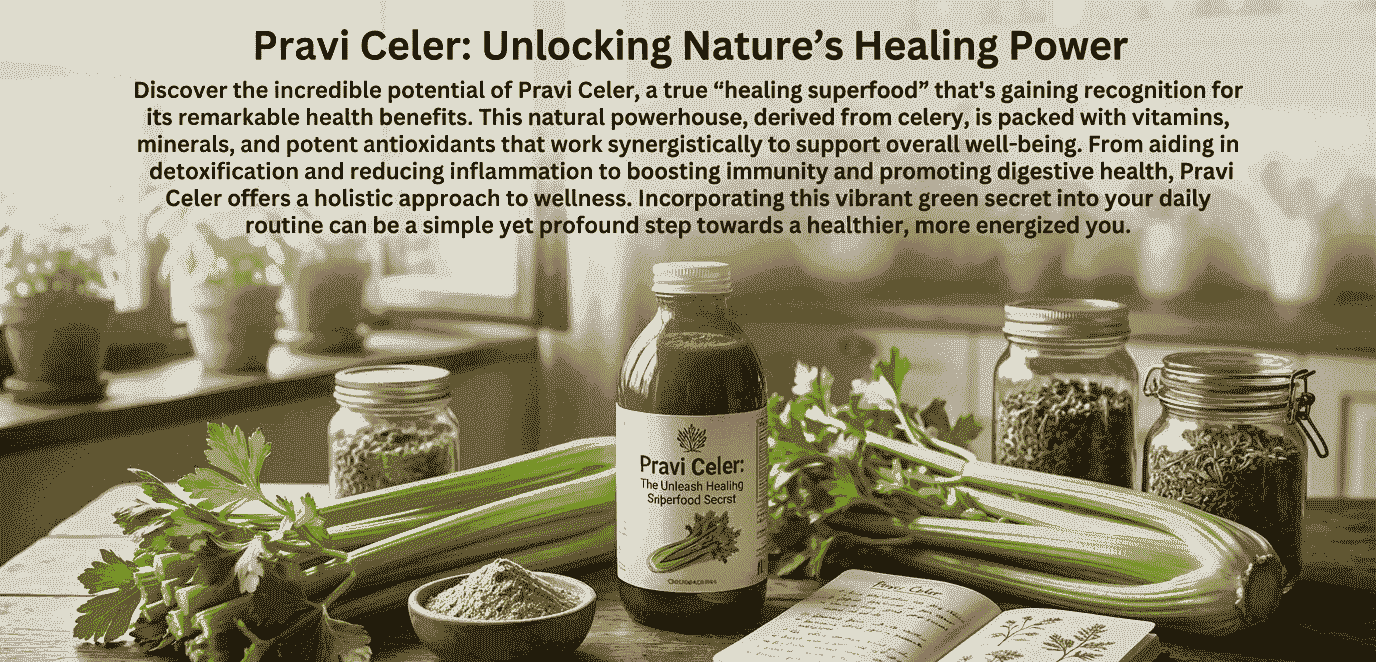
In the world of natural health and traditional foods, I first discovered Pravi Celer, also known as true celery, while helping a chef friend enrich a seasonal diet. This underrated green vegetable quietly stands out for its crisp texture, refreshing flavor, and impressive nutritional profile. It has earned a strong reputation as a culinary delight and wellness essential, especially in ancient Mediterranean kitchens and modern kitchens, where it appears in modern wellness smoothies and timeless recipes. As a plant that carryies heritage and vitality, this ingredient is celebrated for its balance of taste and health benefits, making it a permanent place on my table rather than a forgotten side dish.
Now, imagine stepping outside into a garden in the morning, with dew glistening on green leaves, the scent of fresh herbs in the air, and vibrant colors and textures around you. This is where Pravi Celer shows its character—stalks that snap with freshness, leaves that whisper of ancient traditions, and roots tied to culture and health.
Through growing and using it, I’ve seen how it offers a delicious bridge between the past and the future, where today’s world values sustainability and wellness that walk hand in hand. This article explores every dimension of this incredible plant, from its historical journey through ancient gardens to modern plates, its dense nutritional profile, therapeutic potential, techniques, and mouthwatering applications, whether you are a gardener, chef, or health enthusiast seeking a cornerstone for a better wellness journey, a clear guide to reveal why it deserves to be a star on your plate.
What Makes Pravi Celer Truly Different
Pravi Celer, scientifically known as Apium graveolens, comes from Slavic languages, where the English translation points to real, true, real celery that stands for authenticity, purity, and tradition. From my own experience working with fresh produce, this plant species from the Apiaceae family feels alive in your hands—its vibrant color, aromatic leaves, crunchy stalks, juicy stalks, and versatile root instantly set it apart from commercial supermarket celery with pale green stalks and watery stalks.
Unlike industrially grown varieties or processed varieties exposed to chemical treatments, genetic modifications, and synthetic fertilizers, this pure, nutrient-dense, organically grown celery is carefully cultivated, harvested, and grown in natural soil conditions, allowing it to absorb earthy minerals directly from the earth, protecting nutrient retention, nutrient properties, and overall nutritional impact.
In daily cooking, whether sliced into soups or paired unexpectedly with peanut butter, Pravi Celer delivers maximum flavor, a richer flavor, and strong aromatic properties that support natural healing. Its stalks, leaves, and root have long been used in traditional medicine, traditional plant-based remedies, and ancient wisdom, earning it a place as a folk medicine hero and a lasting symbol of modern wellness. Packed with antioxidants, healing compounds, and essential nutrients, it fits perfectly into whole foods and unprocessed foods, explaining the recent boom in natural health awareness. Often called True Celery or simply celer, this culinary staple offers a juicy experience that proves how flavor, purity, and respect for nature can coexist in one humble vegetable.
Historical Uses and Origins of Pravi Celer
I first understood Pravi Celer not as an idea, but as a plant shaped by people and place. Long before modern kitchens, it was cultivated in monastic gardens across Europe during the Middle Ages, where monks valued its healing effects and used it in daily meals and early medicines. Later, Renaissance herbalists wrote about its role in easing fevers, reducing water retention, and improving mental clarity. As agriculture adapted to different climates, many cultivars of celery appeared, but the true form stayed favored in Eastern and Mediterranean cuisines for its bold, earthy flavor.
What keeps Pravi Celer relevant today is its refusal to lose its identity. Unlike commercial varieties bred for size and uniformity, this robust, nutrient-dense staple still thrives in households that value tradition. I’ve used the stalks and aromatic leaves in rustic soups, root-based stews, and herbal broths, and seen how olive oil dressings come alive with its peppery zing. Skilled chefs appreciate its versatility, texture, and place in plant-forward dishes that truly nourish and satisfy.
Key Health Benefits of Pravi Celer Reimagined
I first noticed pravi celer while focusing on supports, heart health, because true celery is rich in high potassium, potassium and naturally low sodium, sodium, which helps regulate, regulating, blood pressure, pressure and may reduce, reduce, risk linked to cardiovascular diseases, cardiovascular, diseases. From my experience in nutrition planning, adding it daily also connects back to natural, detoxification, as its diuretic properties, diuretic, properties helps with flush, flushing, toxins and excess water from the body, making it ideal for individuals looking to manage swelling and reduce, reducing, bloating while support, supporting, kidney function, kidney, function. This balance is why I often recommend it when someone wants gentle, food-based support without relying on supplements.
Beyond the heart angle, enhances, digestion stands out because the fiber aids, aiding, healthy digestion, promoting gut balance, gut, balance and preventing, constipation. Over time, I saw how it strengthens, immunity too, as vitamin C, vitamin, C, content boosts, boosting the immune system, immune, system, helping the body combat, combating, free radicals, radicals and oxidative stress, oxidative, stress.
For clients focused on weight management, weight, management, it works well since it is low calories, low, calories yet high volume, volume with valuable nutrients, making it a perfect addition, addition to weight-loss diets, weight-loss, diets and detox programs, detox, programs, something I personally rely on during reset phases of my own routine.
Beyond Just Soups – Culinary Uses of Pravi Celer
From my own kitchen experience, fresh pravi celer works best when treated as more than a base ingredient. I often use it as a crunchy snack, straight from raw trays, because it feels perfect for light eating. It shines in salads and slaws when I combine it with apples, lemon, and parsley, creating a refreshing salad that feels like a gentle detox. At home, I like to dip it in hummus or nut butter, which makes a fiber-rich bite that satisfies hunger while nourishing the body. This simple approach keeps flavors clean and lets the vegetable stand on its own.
When cooked, pravi celer completely transforms and that’s where its real range appears beyond soups. Slow roasting or braising in olive oil with herbs and garlic brings a sweet, savory depth and enhances its earthy tones. I rely on it as a must-have in French mirepoix and Italian soffritto, the foundational flavor bases for stews and sauces. Lately, I’ve also leaned into the juicing revolution—blending celery juice as a daily ritual for health seekers. When juiced, it retains nutrients and delivers quick hydration and detox support, especially when it pairs with cucumber, green apple, and ginger, creating a potent morning elixir.
Modern Wellness Culture and Pravi Celer
My first real connection with pravi celer came through wellness products rather than a juice glass. I started to find extract forms in supplements, like pills and powders, and even in skincare items such as face masks. What stood out to me were its anti-inflammatory and hydrating properties, which felt like a natural fit for daily health routines. Over time, I noticed subtle improvements in my skin and less inflammation, which helped me better understand the real benefits backed by foundational science behind this plant.
At the same time, social media clearly fueled the celery trend, with influencers having popularized it across modern wellness spaces. Many claim boosts in digestion and energy, and while some claims sound exaggerated, the core science remains strong. I’ve seen how skincare and supplements are now targeting long-term health, blending tradition with visibility from social platforms in a way that keeps pravi celer relevant without losing credibility.
Pravi Celer for Heart Health and Blood Pressure Care
From my own experience working with cardiovascular nutrition plans, I’ve seen how Pravi Celer can quietly make a difference in daily heart health. This vegetable is Rich in potassium and phthalides, which helps the arterial walls relax, allowing better blood flow and smoother circulation. With Hypertension being a leading global concerns, Many nutritionists recommends True Celery as a natural remedy that supports the system without overloading it. I’ve personally noticed more stable pressure levels when it’s part of a heart-smart diet plan, especially compared to processed foods high in sodium.
What makes celery practical is how easy it is to use while maintaining fluid balance. Including it as raw sticks, fresh juices, or warm soups becomes a consistent habit that improving overall support for the heart. It maintains internal balance and plays a meaningful part in daily healthy eating, something I often suggest when building long-term diet routines focused on reducing strain on the cardiovascular system.
Conclusion
My own experience with Pravi, celer, vegetable began while seeking better digestion, clearer skin, and lower blood pressure, and over time it proved again why this nutrient-rich, flavor-packed, green is a true powerhouse of nutrition. This wholesome, versatile ingredient, known as PraviCeler, offers real benefits at every level when incorporating it into daily meals—raw, cooked, or juiced—quietly boosting health while embracing a lifestyle grounded in simplicity, balance, and natural wisdom. What feels easy to cook and simple to enjoy carries powerful effects that go beyond the plate, turning a habit into a connection with tradition, a living symbol of healing rooted in both body and mind.
Looking deeper, Pravi, Celer is not just a vegetable for the kitchen or garden; it is history-laden, with ancient beginnings tied to temple rituals and herbal brews, now reborn in modern recipes, detox diets, and everyday use. It deserves to be elevated from a simple garnish to a true staple, because when you grow it from soil, share it with others, and truly embrace its richness, you feel a quiet transformation that touches both health and the environment, nourishing not just the body, but the soul.