







Introduction
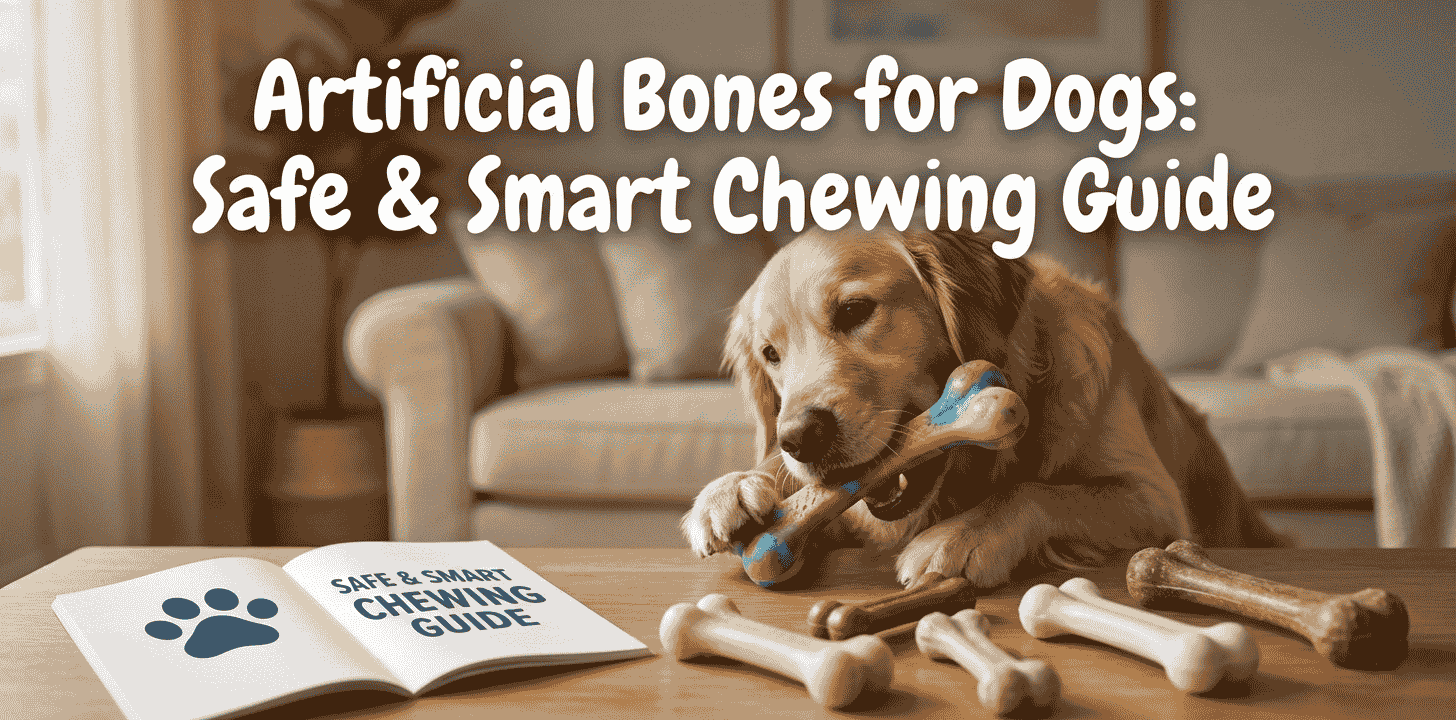
As a dog mom of three, I’ve tried a variety of chews and bones for my medium-sized dogs. Finding the safest options can be tricky, but after much trial and error, I’m comfortable labeling these as some of the best choices available. It’s always a bold move to say something is the best, but I believe the ones I’ve selected provide a great combination of comfort and safety. Much like the local artists I met while attending a Saturday evening event, where I learned the Sgraffito technique and enjoyed some fine wines from a nearby vineyard, choosing the right bone for your dog is an art in itself. With so many options out there, it’s easy to feel overwhelmed, but these bones have stood the test of time for both durability and safety for my dogs.
While there are many bones and chews on the market, not all are created equal. The key is finding something that not only keeps your dog entertained but is also comfortable and safe to chew. My dogs have been through a few different types, but after trying these specifically, I’ve seen a noticeable difference in their enjoyment and overall well-being.
Whether it’s for a small dog or a larger one, these options cater to medium-sized dogs and beyond, ensuring that your pet gets the most out of every chew session. When you find the right one, it feels as satisfying as discovering a hidden gem at a local event – something truly special that is both safe and enjoyable for your dog.
Essential Factors for Choosing the Safest Chew Bones for Dogs
When it comes to selecting the best chew bones for your dog, ensuring they provide healthy treats and offer real benefits is key. Bones should help with teeth cleaning and offer joint support, much like the nutritious marrow bones. Personally, I prefer bones that are all-natural and single-ingredient, especially those sourced from beef cattle that are grass-fed, pasture-raised, and humanely raised. These types of bones not only support your dog’s health but also come from local sources or those in the USA, which helps support local economies.
Size matters when it comes to bones for dogs. A medium-sized dog requires bones that are appropriately sized to avoid choking hazards. The bone should be sturdy enough for safe chewing but not so tough that it causes injury. In addition to bone safety, the size of the bone should fit the dog’s chewing habits. Too small a bone could lead to chewing hazards, while one that’s too large could be difficult to chew on. It’s essential to consider all these factors when choosing the best chew bone to ensure your dog can safely enjoy their treat without risk. Bone marrow, bone joint support, and chew treats are also great additions to your dog’s routine, as long as the bones are safe and sized properly.
Why Choosing the Safest Chew Bones for Dogs Matters
Natural Chewing Instincts Explained
Chewing is hardwired into dogs. From puppies teething to adult dogs relieving stress, chewing helps them stay calm and engaged. It also strengthens jaw muscles and keeps boredom at bay.
However, when dogs chew on unsafe items, problems can pop up fast. That’s why picking the safest chew bones for dogs is so important.
Common Risks of Unsafe Dog Chews
Unsafe chew bones can cause:
- Broken or cracked teeth
- Choking hazards
- Digestive blockages
- Internal injuries
According to the American Kennel Club, many emergency vet visits happen because of poor-quality or overly hard dog chews. Choosing wisely can save you stress—and vet bills.
What Makes a Chew Bone Safe for Dogs?
Size, Texture, and Digestibility
A safe chew bone should:
- Be larger than your dog’s mouth
- Soften slightly as it’s chewed
- Break down gradually, not splinter
If a bone is rock-hard, it’s probably not one of the safest chew bones for dogs.
Vet-Recommended Safety Standards
Vets often suggest the “thumbnail test.” If you can’t dent the chew with your fingernail, it may be too hard. Safety always comes before durability.
Top 15 Safest Chew Bones for Dogs
This list focuses on widely trusted, vet-approved options that balance safety and enjoyment.
1–5: Natural Chew Options
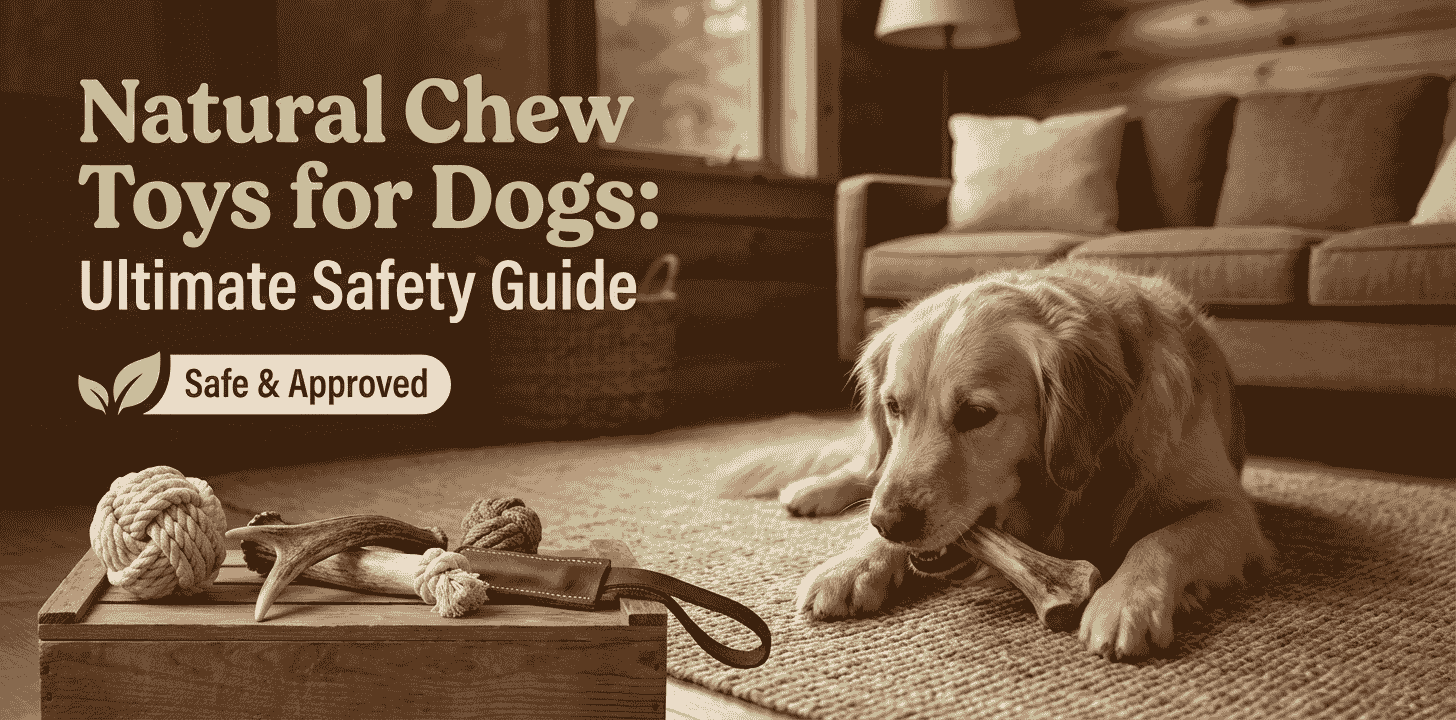
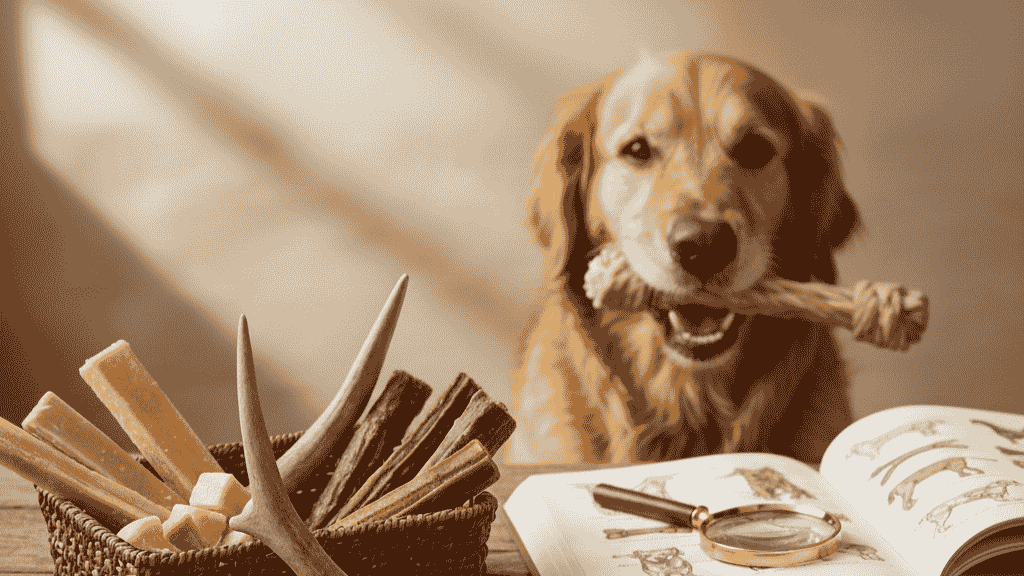
- Bully Sticks – Fully digestible and high in protein
- Yak Cheese Chews – Hard but soften with saliva
- Beef Trachea – Crunchy and rich in natural glucosamine
- Lamb Ears – Gentle on teeth and easy to digest
- Fish Skins – Great for skin and coat health
These are among the safest chew bones for dogs who prefer natural textures.
6–10: Long-Lasting Synthetic Chews
- Nylon-Based Dog Chews (Soft Grade)
- Rubber Chew Bones
- Dental Chew Toys
- Flavor-Infused Synthetic Bones
- Veterinary Dental Chews
They’re ideal for aggressive chewers who need something tougher but still safe.
11–15: Edible & Dental Chews
- Vegetable-Based Dental Sticks
- Sweet Potato Chews
- Rice-Based Chew Bones
- Collagen Chews
- Compressed Rawhide Alternatives
These support oral health while being easy on the stomach.
Safest Chew Bones by Dog Size and Age
Puppies
Puppies need softer chews. Look for rubber or edible options made specifically for teething. Hard bones can damage developing teeth.
Adult Dogs
Adult dogs benefit most from medium-density chews. The safest chew bones for dogs in this stage balance durability and digestibility.
Senior Dogs
Older dogs often have weaker teeth. Soft edible chews or gentle dental sticks work best and reduce the risk of fractures.
Benefits of the Safest Chew Bones for Dogs
Using the safest chew bones for dogs comes with real perks:
- Better dental health
- Reduced anxiety and boredom
- Cleaner teeth and fresher breath
- Less destructive behavior
Plus, chewing releases endorphins, which helps dogs feel calm and happy.
Chew Bones to Avoid Completely
Some chew bones just aren’t worth the risk:
- Cooked bones
- Antlers
- Hooves
- Hard nylon bones for aggressive chewers
- Cheap rawhide with chemicals
Even if they’re popular, they don’t qualify as the safest chew bones for dogs.
How Often Should Dogs Use Chew Bones?
Moderation matters. Most dogs do well with:
- 10–20 minutes of chewing per day
- Supervised chew time
- Regular rotation of chew types
This keeps things fun and safe.
Conclusion: Making the Right Choice
Choosing the safest chew bones for dogs doesn’t have to be confusing. When you focus on size, texture, and digestibility, you’re already on the right track. Safe chewing keeps your dog healthy, relaxed, and happy—and that’s what every pet parent wants.
Pets are wonderful companions that need proper care, training, and safe products to live healthy lives—discover more helpful tips in our Pets section.
For puppies going through teething, safe chewing options are important, and these homemade dog teething toys provide easy, natural ideas to comfort sore gums at home.
Take your time, try different options, and always watch how your dog chews. A little care goes a long way.
FAQs About the Safest Chew Bones for Dogs
1. What are the safest chew bones for dogs that chew aggressively?
Soft-grade nylon, rubber chews, and bully sticks are safer than antlers or hard bones.
2. Can puppies use chew bones?
Yes, but only puppy-specific chews designed for soft teeth.
3. Are rawhide bones safe?
Traditional rawhide can be risky. Look for rawhide alternatives instead.
4. How do I know when to throw a chew bone away?
Discard it when it becomes small enough to swallow or develops sharp edges.
5. Do chew bones really help with dental health?
Yes, especially dental chews that reduce plaque and tartar buildup.
6. Can dogs chew every day?
Absolutely, as long as you choose the safest chew bones for dogs and supervise use.