






Introduction
Training Miniature Poodles can be a rewarding experience, though they are often underestimated due to their small size and elegant appearance. These dogs, with their adorable curls, are among the smartest and most responsive of all dog breeds in the world. If you’re looking for a dog that brings both energy and enthusiasm, a Miniature Poodle is a perfect match. They’re naturally confident, alert, and eager to learn, making them incredibly easy to train with the right approach.
The key to training these clever breeds lies in understanding their intelligence and high responsiveness. Poodles thrive in environments that cater to their active nature and need for mental stimulation. Their sense of humour and playful attitude make them an even more engaging companion. When it comes to training, work with their natural enthusiasm and you’ll see them not only respond well but also thrive. Providing a lifestyle that supports their sharp minds will help ensure they develop into well-behaved, happy dogs.
Understanding the Miniature Poodle’s Personality and Traits
Miniature Poodles are a small breed, but they certainly pack a lot of personality into their compact size. These dogs are lively, agile, and extremely observant. When it comes to training, they are quick to learn and can easily pick up patterns in both their daily routines and the commands you give them. Their natural drive to focus and engage makes them highly responsive to positive reinforcement, making them a joy to train. Despite their small stature, they’re not just lap dogs. While they love affection, they also need stimulation, structure, and clear direction to thrive.
Being originally developed as a working water retriever, Miniature Poodles have a strong focus on engaging in meaningful tasks. This drive can sometimes make them more demanding, especially if they don’t receive enough mental activity. If they are not properly stimulated, they can become noisy, fidgety, or even try to entertain themselves by getting into trouble. They are very friendly and social, but also highly tuned to their environment. A Miniature Poodle will always be one step ahead, so if you want them to stay calm and focused, it’s crucial to give them the right level of care and attention.
Personality and Training Insights
Miniature Poodles are known for their expressive and playful nature. As people-oriented dogs, they form strong attachments with their owners, often following them from room to room. This sensitivity makes them highly trainable, as they are keen to understand their owner’s tone and emotion. Their eagerness to perform tasks grows when they receive praise, showing great enthusiasm in return. The balance between food, play, and social connection often drives their motivation, with each dog having its unique preference.
However, if not exposed early to various people, dogs, sounds, and different settings, Miniature Poodles may become reactive or anxious in busy environments. Without proper socialisation, they may struggle to remain confident and relaxed as they mature into adults. Proper early exposure is crucial for them to grow into well-rounded companions, equipped to handle new situations while staying alert and vocal when needed.
Training Miniature Poodles: A Fun and Effective Approach
Training a miniature poodle can be a rewarding experience, but it requires a unique approach. These dogs are known to learn quickly and thrive in fast-paced environments. To keep them engaged, it’s important to incorporate focus games and teach them fun tricks while targeting specific problem-solving tasks. However, repetition can easily lead to them getting bored, so offering variety is key to maintaining their interest. Instead of relying on harsh corrections, which can cause resistance, a more effective method is positive reinforcement. Setting clear boundaries helps prevent confusion, allowing for a smoother learning experience.
When it comes to training, short sessions that are structured and focused on a specific goal are the most effective. These dogs enjoy a sense of achievement, and seeing progress is important to keep them motivated. Clarity and fairness in your training methods are essential, as they are sensitive to tone. Approaching them with calm confidence rather than pressure or raising your volume will ensure the best results. The balance of clarity and fairness during their training can lead to a fulfilling and successful relationship with your miniature poodle.
Exercise and Enrichment for Miniature Poodles
Miniature Poodles are incredibly energetic and alert, and while they are smaller than their Standard cousins, they still require plenty of daily walks and active play to stay happy. Without this outlet for their energy, they can quickly become restless and vocal, which can lead to frustration for both the dog and the owner. Incorporating a variety of activities into their daily routine ensures they are kept engaged and avoid becoming bored.
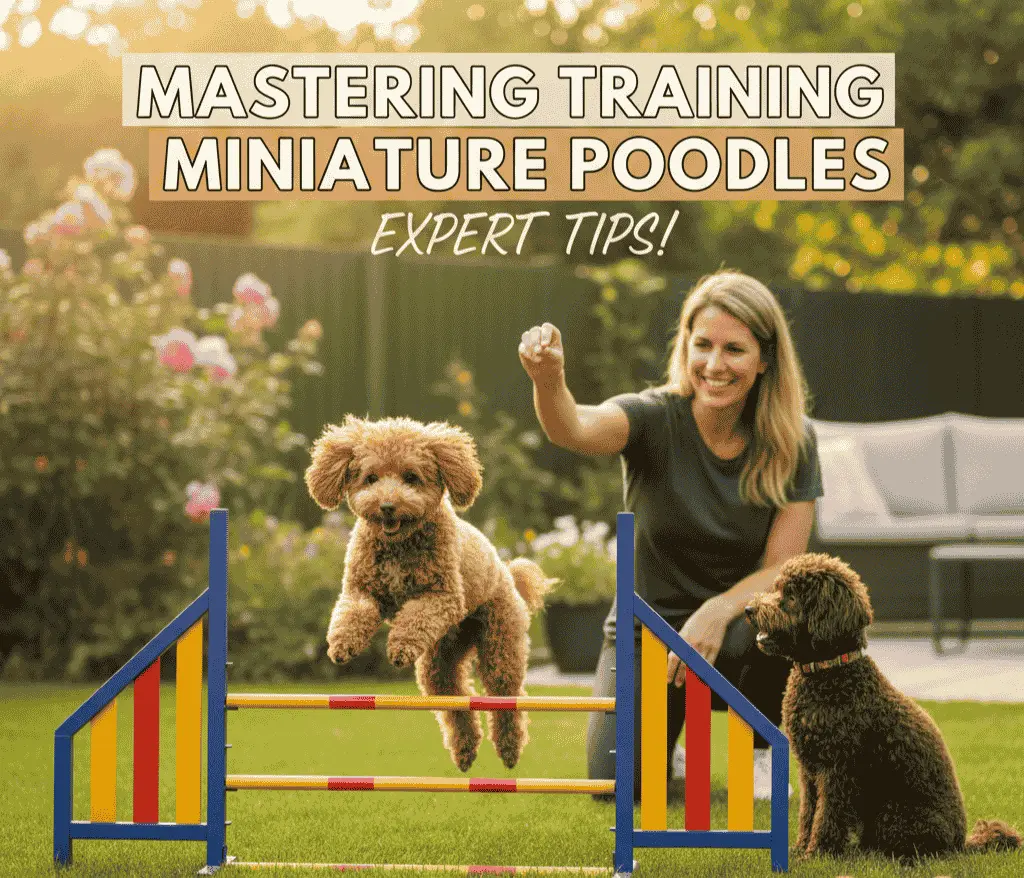
To meet their enrichment needs, it’s essential to mix things up with activities like scent work, fetch, hide and seek games, and light agility or trick training. These activities not only provide mental stimulation but also encourage physical exercise. Adding puzzle feeders and rotation of toys into the mix helps maintain their mentally fulfilled state, especially when combined with regular interactive sessions. With consistent physical and mental activity, a tired Miniature Poodle will be a happy one, as they aren’t designed for high-endurance exercise but benefit greatly from consistent, enjoyable movement and stimulation throughout the day.
Coat Maintenance and Grooming Essentials
A dense, curly coat is one of the signature traits of a miniature poodle and requires consistent maintenance to keep it looking its best. While many people think of them as low-shedding dogs, don’t be fooled — they are not low effort when it comes to grooming. Brushing the coat several times a week is necessary to prevent tangling, and professional grooming every 4 to 6 weeks is important to maintain its overall health. Along with coat care, attention to nail trimming, ear care, and dental hygiene is just as vital to ensure your dog stays comfortable and healthy.
In my experience, the sensitive to touch nature of these poodles means that starting early conditioning with grooming tools and setting up proper routines is essential. Without the right care, the coat can quickly become matted, leading to more serious skin issues. If neglected, these issues can turn into a bigger problem. However, when cared for properly, the coat remains healthy and manageable, making the grooming routine a bit easier over time.
Caring for a Miniature Poodle in Your Home
Miniature Poodles are well-suited for families or individuals who enjoy having a dog involved in their daily routines. These dogs thrive in environments where they are not left alone for long periods but are instead given attention and the opportunity to participate in the household’s activities. Unlike dogs who are content being in the background, the Miniature Poodle will often create its own entertainment if ignored, which makes communication and mental stimulation essential for keeping them happy.
In homes with smaller spaces, Miniature Poodles can adapt as long as the environment offers both structure and a chance for interaction. They are not suited for sedentary lifestyles and will not do well in situations where they are left to their own devices for extended periods. These dogs can enjoy the company of other dogs, especially if they have been socialised early. They are also known to live well with children, provided that respectful interactions and boundaries are established on both sides. Having the right amount of attention and mental stimulation is key to ensuring a happy, healthy relationship with your Miniature Poodle.
Is a Miniature Poodle the Right Choice for New Dog Owners?
If you’re looking for a clever, active, and emotionally tuned-in dog, the Miniature Poodle could be the right fit for you. These dogs are known for their intelligence and enthusiasm, making them easy to train—as long as they receive the right attention and consistency. Unlike other breeds, Miniature Poodles thrive when owners are engaged in interacting and teaching, creating a rewarding bond. They are best suited for owners who enjoy being actively involved with their dogs, both mentally and physically, setting clear expectations from the start.
However, they are not the ideal choice for those seeking a quiet or hands-off companion. A Miniature Poodle needs to be part of the family’s daily life, constantly stimulated and involved. At places like Paws Academy, we understand the importance of a strong connection between the owner and dog. Our training approach emphasizes clarity in communication and building reliable skills from day one, ensuring that both the dog and owner enjoy a fulfilling relationship. Through dedication and patience, you’ll see the benefits of a well-trained and happy Miniature Poodle.
Health, Wellness, and Training Essentials for Miniature Poodles
When it comes to miniature poodles, their health is something that should always be top of mind. While they are generally healthy, they can still be prone to certain inherited conditions like hip dysplasia, eye disorders, and skin sensitivities. It’s important to prioritize responsible breeding and ensure they receive regular veterinary care to manage these conditions effectively. With their high alertness, miniature poodles can sometimes experience stress if their environment is not properly structured. Having a clear routine and predictable outcomes can help them feel safe and calm.
Their intelligence is a significant asset, but without the right direction, it can lead to restlessness or even control-seeking behaviour. Providing them with enough activities to do and enrichment is essential for their overall well-being. Variety in activities and regular training are key factors in ensuring their long-term success. It’s important to give them enough downtime to settle and recharge, as this helps them maintain a healthy balance in their mental and physical state. Ultimately, a balance of clear routines, structured play, and training will ensure a well-adjusted and happy miniature poodle.
Conclusion
When considering a Miniature Poodle, you are looking at a smart, charming, and social breed that is always eager to engage with you. This dog is not only capable but also highly responsive, making them a great choice for families or individuals who are looking for a dependable and lively companion. However, owning one of these clever dogs does come with a need for consistent guidance, routine, and a bit of effort. With the right approach, they can become your most loyal friend, showing skills that go far beyond their size. Visit our Blog and Read more about Dog Training
At Paws Academy, we understand the challenges of training such a breed, and we offer the support you need. Whether you are focusing on improving their focus, teaching them play-based learning, or just helping them thrive, we are here to assist owners in creating well-rounded, clever dogs. Training a Miniature Poodle requires patience, but with calm confidence, they can learn and grow, becoming the perfect fit for your home. The right training will help them flourish, turning them into a remarkable companion that is both responsive and ready to engage in any activity.