








Introduction
Living with a German Shepherd requires more than just admiration from a distance. This recognised breed, known for its intelligence, loyalty, and exceptional working ability, has been a favourite of families, service units, and professional handlers for decades. However, owning one comes with its own set of challenges. Their remarkable traits make them powerful, yet their nature demands a certain level of care and attention. In places like Ireland, they are even listed as restricted breeds, which means there are specific rules regarding their presence in public spaces.
Training a German Shepherd is not something to be taken lightly. Their temperament can be misjudged, and their needs are often underestimated. The commitment required goes beyond simply providing food and shelter. It involves providing them with a structured lifestyle fit, ensuring they receive proper training and fulfilling their legal obligations. Sharing your life with this loyal breed demands an honest approach, acknowledging the responsibility that comes with it, as well as the attention they need. Whether it’s their role in your family or their work in service, knowing how to train them effectively ensures they remain the great companions they are meant to be.
Understanding the German Shepherd’s Nature
The German Shepherd is an intelligent and athletic dog known for its strong drive and focus. Originally bred for herding and protection, these dogs have the capacity to excel in both physical and mental work. When raised in the right environment, they grow up to be calm, confident, and incredibly bonded to their people. Despite being an active breed, they are not typically easy-going and require careful management. Watchful and alert, they are highly responsive to their surroundings, making them excellent working dogs that thrive on purposeful socialisation from a young age.
A well-bred German Shepherd is neither aggressive nor unpredictable. Instead, they are usually calm and observant in public settings. However, they possess strong protective instincts and benefit from guidance when encountering new situations. As a dog owner, I’ve found them to be the ideal companion due to their loyal and biddable nature, though they can also be stubborn and strong-willed at times. This makes training them a rewarding challenge.
When it comes to training, online dog training can be particularly effective for this breed. A clear-headed approach is essential, as these dogs don’t have time for nonsense. With the right training, they quickly learn what you want them to do. It’s crucial to know whether your dog comes from working lines or show lines, as American show lines and German show lines can exhibit different traits. I personally prefer medium-sized dogs over the bulky ones bred for shows, as the latter can sometimes stray from the original breeding goals. In any case, German Shepherds bring immense dedication to their owners, always eager for interaction and the structure of consistent training.
Understanding German Shepherd Traits and Training Needs
German Shepherds are a powerful breed with a strong sense of responsibility. Their natural loyalty and ability to form attachments to their family members make them excellent guardians. However, they tend to be wary of strangers, and while not inherently aggressive, they can become reactive if not trained properly. Without clear structure and solid training foundations, they may develop nervous or protective behaviours that can be challenging to manage.
To help them thrive, socialisation is key from the early stages of puppyhood. Consistently exposing them to different environments, people, and animals builds their confidence and reduces the risk of developing defensive behaviours later on. German Shepherds are incredibly trainable and enjoy having a job. They need connection, purpose, and boundaries to feel secure and balanced. If left alone for too long in homes without sufficient stimulation, they may struggle, which highlights the importance of a well-structured environment to maintain their mental health.
Effective Training for German Shepherds
Training a German Shepherd is non-negotiable—it is a vital part of ensuring your dog grows into a well-behaved, happy companion. As a thinking breed, they have a strong work ethic and a desire for leadership. If they don’t receive proper training, they will take matters into their own paws, potentially leading to unwanted behaviors. That’s why training should start early, focusing on foundation work like focus, lead manners, recall, and impulse control. Incorporating daily training in small doses helps build trust and keeps their mind active. Clarity, fairness, and engagement are key for successful training. They thrive on reward-based methods, but they also need firm boundaries—inconsistency or hesitation can cause confusion and pushback.
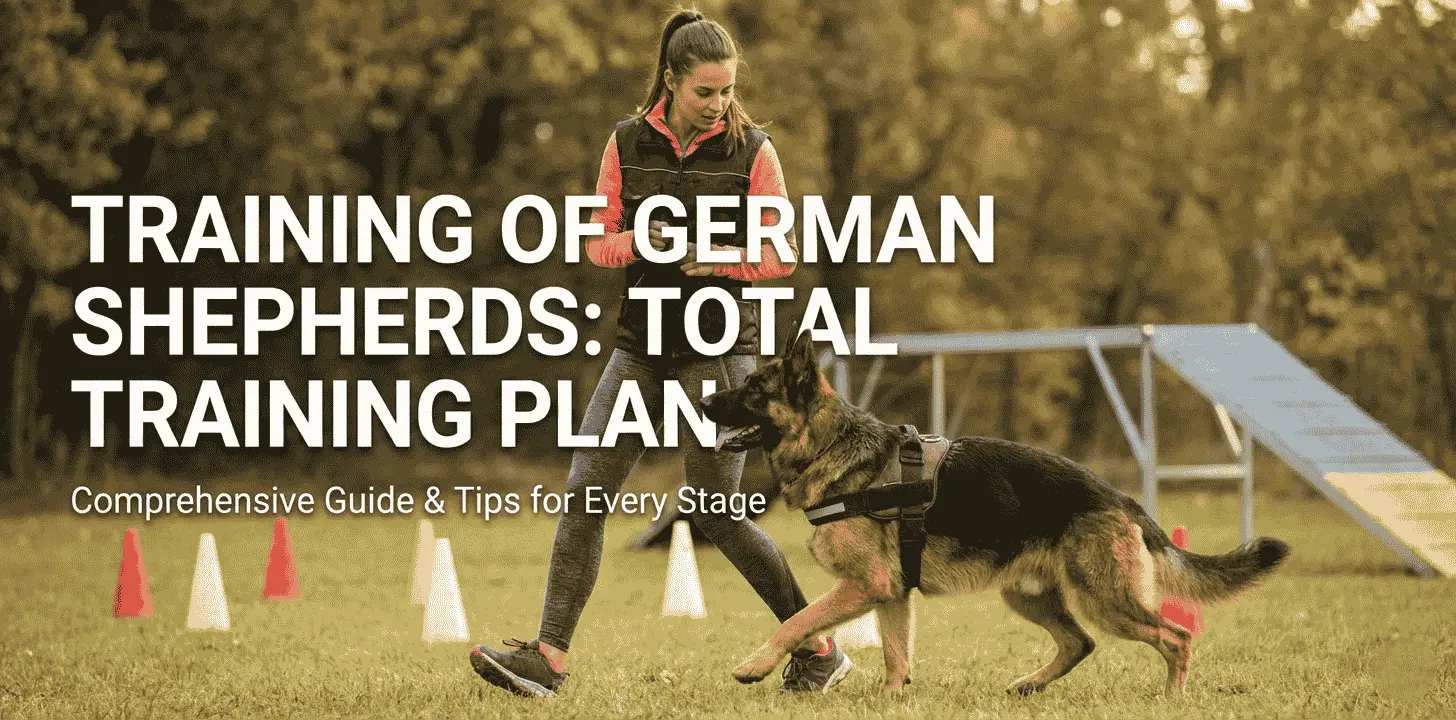
As your dog matures, the next step is to introduce more challenging activities to match their growing intelligence and need for purpose. Scent work, structured obedience, tracking, and agility are excellent outlets for their energy and mental abilities. Without such challenges, they may become anxious or controlling. In places like Ireland, where German Shepherds are on the restricted breed list, it’s crucial to include muzzle conditioning and lead handling as part of their training. These are not only legal requirements but also important life skills. A well-fitted muzzle and relaxed lead manners show that the dog is understood and properly trained, making them a well-adjusted and reliable companion.
Balancing Physical and Mental Activity
When it comes to training of German Shepherds, both physical and mental activity are equally important for this active breed. A simple stroll around the block won’t suffice for this energetic dog. Instead, they require more structured exercise that challenges them physically and mentally. Activities like off-lead running in secure areas, playing scent games, and engaging in tracking or training drills help stimulate both their mind and body. This kind of exercise is not only beneficial but also essential to maintain their happiness and health. I’ve found that including these activities in a daily routine is crucial for keeping them content and engaged.
Mental stimulation plays an equally significant role. It’s not just about tiring them out physically; a tired German Shepherd is truly a happy German Shepherd. This means incorporating activities like food puzzles, training games, and problem-solving tasks to give their minds a workout. But it’s also important to maintain balance—too much energy output without the proper mental balance can lead to overstimulation and frustration, while too little of either can cause unwanted behaviour. That’s why varying the training exercises and ensuring a mix of walks, play sessions, and other challenges is vital for their overall well-being.
Coat Care and Grooming Essentials
When it comes to training of German Shepherds, grooming plays an essential role in ensuring both comfort and health. These dogs have a double coat that sheds year-round, with more noticeable shedding during seasonal changes. To manage this, brushing your German Shepherd two to three times per week is highly beneficial. This helps to keep their skin healthy and also controls shedding. Regular grooming sessions are an ideal opportunity to check for ticks, skin issues, or irritations, which may arise if their coat isn’t properly maintained.
While frequent baths aren’t necessary unless they get dirty, it is important to ensure nail care, ear cleaning, and dental hygiene are included as part of the regular grooming routine. Their coat is functional and should not be shaved unless medically required, as doing so could compromise their natural protective barrier. Grooming is vital as it not only supports their overall health but also helps them remain comfortable throughout the year.
Life with a German Shepherd
Having a German Shepherd in your life means welcoming a confident, loyal, and engaged dog who is truly involved in every aspect of your life. These dogs are often described as intense, always eager to be a part of the action, and they thrive on being present with their owners. Their loyalty is unmatched, but they need patient owners who are willing to put in the work to help them succeed. They do exceptionally well in structured environments, where expectations are clear, and they respond positively to a routine. However, chaos, inconsistency, or sudden emotional outbursts can easily unsettle them as they are sensitive dogs, but in a focused and thoughtful way.
When it comes to training and early socialisation, these dogs learn quickly, especially if they are given a consistent routine. They can live happily with children and other animals when properly guided and supervised. However, ongoing management is essential to ensure they don’t become overly physically strong or overwhelm a situation. They need to be guided carefully to avoid any issues. A German Shepherd is not suited to being left alone for long periods of time, especially if the work schedule is demanding. In such cases, getting support from a dog walker, having enrichment plans, or considering structured day care can be great ways to ensure they stay happy and healthy.
Is a German Shepherd a Good Choice for First-Time Dog Owners?
If you’re a first-time dog owner, a German Shepherd can be a deeply rewarding companion, but only if you’re fully prepared to invest time and effort into their training. This breed is not for those seeking an easy-going dog that’s happy to entertain themselves or forgive inconsistency quickly. German Shepherds thrive in a structured environment where they can understand, respond, and feel included in family activities. They don’t want to be sidelined; they want to work with you and be actively involved in everything.
At Paws Academy, we guide German Shepherd owners in Ireland and beyond, offering both virtual and in-person sessions. Whether you’re starting with early puppy plans or need adult behaviour support, we help you build a confident, responsive dog that can adapt to your lifestyle. Our training approach helps you bond and ensures that your dog is not just obedient but also enjoys being part of your life, working alongside you in a meaningful way.
Health and Wellbeing of German Shepherds
When adopting a German Shepherd, it’s important to keep in mind that they can be prone to certain inherited conditions like hip and elbow dysplasia, digestive sensitivity, skin issues, and even more severe conditions such as degenerative myelopathy. A reputable breeder will usually carry out comprehensive health testing to assess these conditions and will be transparent about the results. If you’re adopting, always ask for as much health history as possible, and work closely with a trusted vet to keep track of your dog’s health. Proper daily care for this breed includes appropriate exercise, high-quality nutrition, and managing their weight to prevent unnecessary stress on their joints. Regular vet visits and preventative care are key in ensuring their long-term wellbeing.
It’s also crucial to focus on early detection of any potential health issues to provide proactive care. By staying ahead with exercise, nutrition, and weight management, you can better support your German Shepherd’s overall health. Don’t forget that consistent vet visits will help you keep on top of any changes in their condition. This approach supports the breed’s natural vitality and longevity, giving them a better
Is the German Shepherd Right for You?
If you’re considering bringing a German Shepherd into your life, it’s important to understand that they are incredibly intelligent, powerful, and loyal. However, they might not be the right fit for every home. The German Shepherd thrives with the right person who can offer the proper leadership and engagement. Without proper training from day one, their potential might not be fully realized. These dogs are bred for a purpose, and in return, they offer an unmatched partnership when they are properly understood and supported. Their strength comes with a challenge; they require owners who are ready for the commitment and are willing to take on the responsibility that comes with managing this breed. For those who can handle it, the rewards are truly immense, as few breeds offer as much back when they are nurtured with the pride and care they deserve.
Professional Training vs Home Training
Some owners choose professional trainers. Others prefer to train at home.
Both options can work well. Professional training is helpful for difficult behaviors or advanced goals.
However, basic training of German Shepherds can easily be done at home with dedication and time.
Real-Life Case Study
Ali, a first-time dog owner, adopted a 10-week-old German Shepherd named Max. At first, Max was playful but hard to control. He jumped on guests and pulled hard on the leash.
Ali started following a simple training routine. He practiced commands for 15 minutes every day. He rewarded Max with treats and praise.
Within three months, Max became calm, obedient, and confident. Today, he walks politely on a leash and listens to every command.
This story shows how proper training of German Shepherds can truly transform a dog.
Conclusion
Training of German Shepherds doesn’t have to be difficult. With love, patience, and the right methods, any owner can raise a loyal and obedient companion.
Start early, stay consistent, and always use positive reinforcement. Your German Shepherd wants to learn and make you proud.
Follow the steps in this guide, and you’ll build a strong bond that lasts a lifetime.