








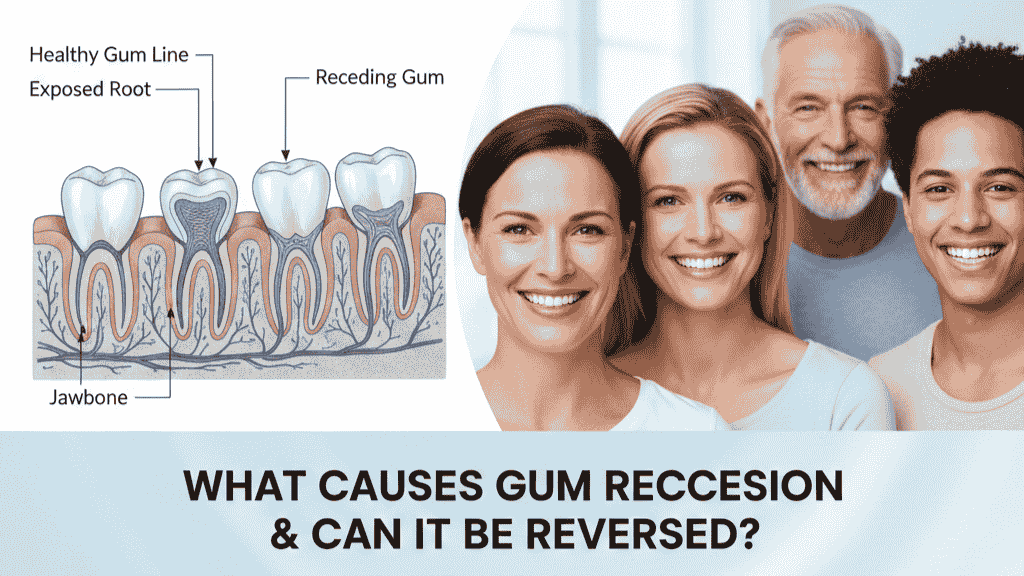
When you notice your teeth looking longer than usual, it’s more than just imagining things. It could be a sign of gums receding. Gum tissue around your teeth might start wearing away, or even pulling back, which exposes more of the tooth and sometimes even its root. This is a gradual change that many patients come to us at Curtis Family Dentistry in Mooresville and Troutman, NC, expressing concern about. While it may seem alarming, the good news is that gum recession is common, and more importantly, it is manageable and in many cases, treatable.
As dental professionals, we’ve seen firsthand how gums can recede over time, but understanding that it’s a gradual process gives patients hope. Many are unaware that this condition can be managed with proper care, and in some cases, even reversed. It’s essential to address gums that are pulling back early on to prevent more serious issues. Our team at Curtis Family Dentistry is dedicated to helping our patients in Troutman and Mooresville regain their smiles by focusing on treatments that protect and restore gum tissue around the teeth, keeping the tooth and root safe.
Can Gum Recession Be Reversed?
Gum recession is a gradual process, and it’s often caused by a mix of different factors. One of the most common causes is brushing too hard. Even with the best of intentions, aggressive brushing or using a hard-bristled toothbrush can wear down gum tissue over time. Another leading factor is gum disease, which involves a bacterial infection in the gums and bone. This infection can destroy the tissue that supports your teeth, leading to recession. Also, habits like teeth grinding or clenching put extra pressure on the gums and supporting bone, causing them to recede more quickly. Tobacco use—whether smoking or chewing tobacco—is another major culprit. It reduces blood flow to the gums, making them more susceptible to damage.
Some people are more prone to this condition due to genetics or aging. Even with great oral hygiene, they might still experience gum recession. But in some cases, individuals with excellent brushing habits might develop it if they scrub too aggressively, trying to keep their mouths clean. Overall, it’s clear that gum recession can be caused by a combination of factors that weaken the gums and the bone, making them more vulnerable to damage. It’s important to address the root causes and avoid habits that make gums more prone to recession.
Receding Gums: How to Fix, Top Causes, and Symptoms
Gum recession can happen for various reasons, with some causes linked to poor dental hygiene. Not brushing or flossing properly, or skipping dentist visits for regular checkups, allows plaque to build up. Over time, plaque can turn into tartar, which irritates the gums, leading to inflammation and, eventually, gingivitis. If gingivitis is left untreated, it can develop into periodontitis, a more severe form of gum disease. This condition may cause bone loss and tooth loss if not addressed. Another major factor in gum recession is brushing too harshly or using a hard-bristled toothbrush, which causes the gums to recede. Vigorous brushing can accelerate this process, damaging the gum line and leading to further gum injuries.
Other risk factors include tobacco use, whether through smoking, chewing, or other forms of tobacco, which weakens and damages the gums. Trauma from accidents, or injuries to the teeth, mouth, or gums, as well as ill-fitting dentures, can also cause tissue irritation and lead to receding gums. Additionally, some individuals have a genetic predisposition, making them more prone to receding gums due to naturally weak gums or compromised gums. Addressing the root causes early, practicing proper brushing techniques, quitting tobacco, and seeking professional advice from your dentist can help prevent or slow the progression of gum recession.
Effective Treatments for Receding Gums
Gum recession can be a serious issue, especially if gums have receded extensively, exposing the tooth root. Fortunately, there are several treatments available that can help manage or even reverse the damage. One option that periodontists at Penn Dental Family Practice may recommend is composite material or porcelain used in color-matched restorations. These materials can help restore the gum line where the tissue has been lost, covering the exposed areas and providing a more natural look. In cases where the recession is more severe, removable veneers made from acrylic or silicone can replace the missing gum tissue, giving the gums a fuller appearance and protecting the tooth root.
For those with crowding or misalignment, moving teeth to improve access can prevent further gum recession. Issues like brushing and flossing can become a challenge when teeth are misaligned, but by improving their position, patients can more easily maintain oral hygiene, which plays a key role in preventing further damage. In more advanced cases, grafting healthy tissue from other parts of the mouth can be used to repair damaged or severely damaged tissue, helping to restore both function and appearance.
Can Gum Recession Be Reversed? (Guide)
When gum recession occurs, the gum tissue surrounding your teeth begins to lose and doesn’t naturally grow back. However, don’t lose hope—while there’s nothing you can do to bring the tissue back on its own, there are ways to restore what’s been lost. The goal is to stop the recession from getting worse and even rebuild what has been affected in some cases. For mild cases, you can start with simple methods such as gentle brushing, regular cleanings, and using a custom nightguard to prevent teeth grinding. These steps can help protect your gums and reduce further damage to the tissue.
For more severe cases, treatments like gum grafting or guided tissue regeneration can be recommended. Gum grafting involves taking a small amount of tissue from your palate or a donor source and using it to cover the exposed areas of the gumline. Similarly, guided tissue regeneration encourages your body to regrow bone and tissue in the affected areas. Both treatments aim to restore a natural, healthy look, and strengthen the foundation that supports your teeth. Beyond these treatments, oral hygiene is vital. Adding varnishes and desensitizing agents to your daily routine may help reduce pain, sensitivity, and discomfort as you work on fixing receding gums. Regular dental checkups with a trusted Penn dentist ensure you’re on the right track to maintain a healthy mouth for as long as possible, keeping your teeth and gums healthy for the long term.
Gums Your Protect to Habits Daily
Taking care of your gums requires consistent daily habits to ensure they remain healthy and strong. One important step is using a soft-bristled toothbrush or an electric toothbrush with pressure control to avoid damaging your gums while brushing. It’s essential to brush gently and effectively to prevent gum recession. Be sure to floss gently every day as well, avoiding the temptation to snap the floss between your teeth, as this can cause unnecessary harm to your gums.
Additionally, routine dental visits are crucial for early detection of any changes in your gum health, so scheduling regular check-ups is a must. If you have a habit of clenching your jaw or grinding your teeth, asking your dentist about a nightguard can help protect your gums during sleep. A healthy diet is just as important, as staying hydrated and ensuring your body receives enough nutrients helps keep your gums strong and resilient. Taking care of these small habits can have a significant impact on the health of your gums and help in reversing any early signs of gum recession.
Conclusion
The article discusses the causes, effects, and treatment options for gum recession, a common dental issue where the gum tissue around the teeth wears away, exposing more of the tooth and sometimes its root. Factors contributing to gum recession include aggressive brushing, gum disease, teeth grinding, tobacco use, and poor oral hygiene. While gum recession cannot naturally reverse itself, it can be managed or even treated through methods like gentle brushing, regular dental visits, and more advanced treatments like gum grafting or guided tissue regeneration. Early detection and proper oral care are essential in preventing further damage and maintaining healthy gums.