



Understanding This Common Dog Behavior
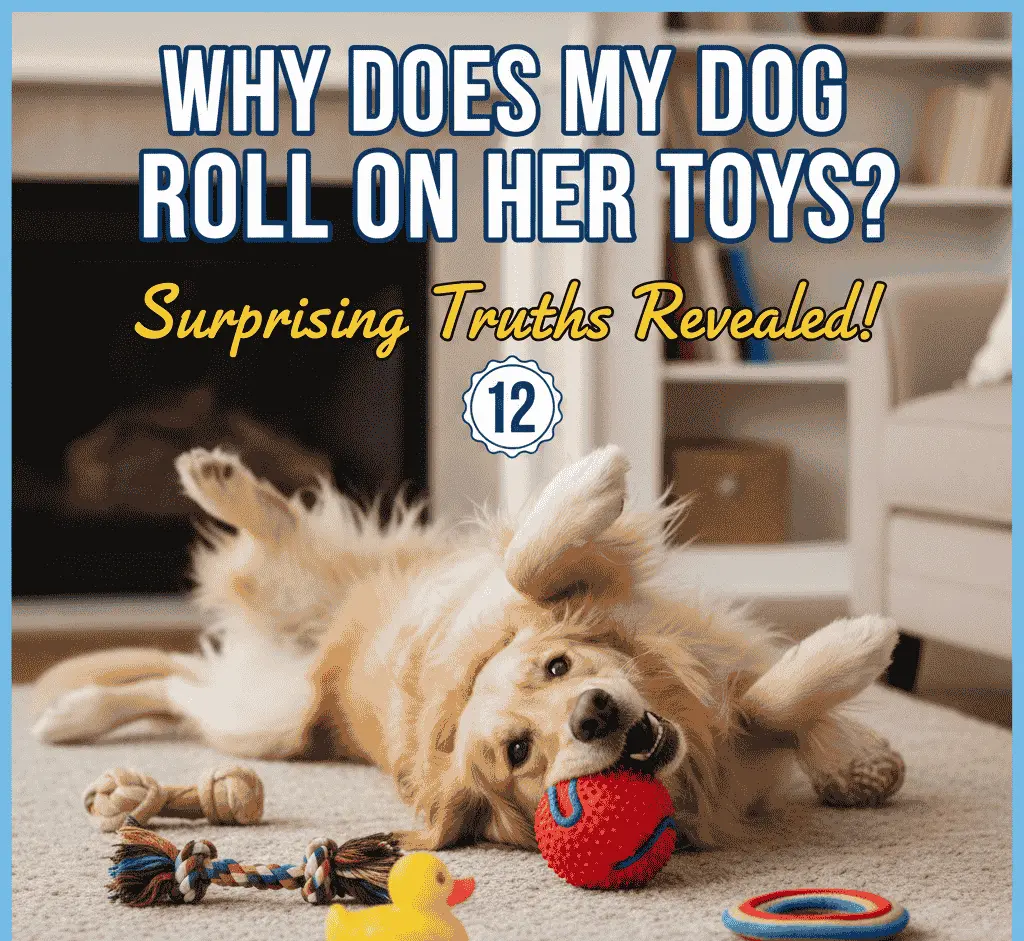
Many dog owners notice their pets rolling around on favorite toys and wonder what it really means. Dogs don’t act randomly. Every movement usually has a purpose or instinct behind it. When people ask, “why does my dog roll on her toys,” they are trying to understand a behavior that looks funny but actually has deep roots in canine nature. Rolling is one of the many ways dogs communicate with the world around them. It can show emotion, instinct, or simple enjoyment.
What Does Rolling on Toys Really Mean
Rolling on toys can mean different things depending on the dog and the situation. Sometimes it is playful behavior, and other times it is linked to scent or comfort. Dogs experience life mainly through smell and touch. Toys provide both of those sensations, so it is natural that many dogs interact with them by rolling. Understanding the reasons helps owners react the right way.
Instincts Passed Down From Wild Ancestors
Even though modern dogs live comfortable lives, they still carry instincts from their wild ancestors. Long ago, wild dogs and wolves rolled on objects to collect scents or hide their own smell. This helped them survive in nature. Today, pet dogs no longer need those skills, but the instinct remains strong. When you see your pet rolling on a toy, part of that action may come from those ancient natural urges.
Play Behavior and Natural Excitement
A very simple reason dogs roll on toys is excitement. Toys make dogs happy. When a dog feels playful and energetic, she might roll around to express that joy. It is similar to a child jumping up and down with excitement. Many dogs roll on new toys because they are thrilled to have something fresh and fun.
Emotional Reasons Dogs Roll on Their Toys
Dogs feel emotions just like people do. They experience happiness, comfort, curiosity, and sometimes boredom. These feelings often show up in physical actions. Rolling on toys can be an emotional outlet for many dogs.
Happiness and Pure Joy
One of the most common answers to the question “why does my dog roll on her toys” is simple happiness. A dog that feels safe and relaxed will often roll, wiggle, and rub on things she loves. If your dog looks calm, wags her tail, and seems cheerful while rolling, she is most likely just enjoying life.
Seeking Attention From Owners
Dogs quickly learn which behaviors get attention. If rolling on toys makes you laugh, talk, or react, your dog may repeat it more often. Sometimes the rolling is not really about the toy at all. It is about getting your focus. Dogs love attention from their owners, and they will repeat any action that brings it.
Scent Related Explanations
Smell is the strongest sense a dog has. Everything in a dog’s world is connected to scent. Toys carry many interesting smells that humans cannot even notice. Because of this, scent is one of the biggest reasons behind rolling behavior.
Marking Territory
Dogs have scent glands on their bodies. When they roll on toys, they leave their personal scent behind. This is a way of claiming ownership. Rolling can be your dog’s way of saying, “this toy belongs to me.” In homes with more than one pet, this behavior may happen even more often.
Exploring Interesting Smells
New toys come with new odors. Even clean toys from a store have strong smells to a dog. Rolling helps them explore those scents more deeply. Dogs gather information about the world through their noses, and rolling is one way to do that.
Physical Comfort and Sensory Pleasure
Not every reason for rolling is emotional or instinctive. Sometimes it is simply about feeling good. Toys can provide physical comfort in different ways.
Scratching an Itch
Dogs cannot easily scratch every part of their body. Rolling on a toy can help reach itchy spots on the back or sides. If your dog rolls more during allergy season, itching may be the real reason behind the behavior.
Relaxation and Self Soothing
Many dogs roll on soft toys because it relaxes them. The texture feels nice against their fur. Puppies especially roll on toys as a way to calm themselves. It can be a soothing habit similar to a person hugging a pillow.
When Rolling on Toys May Be a Problem
Most of the time rolling on toys is harmless, but there are situations where it can signal a problem. Owners should know the difference between normal fun and unhealthy behavior.
Signs of Obsessive Behavior
If a dog rolls on toys nonstop and cannot relax, it may point to anxiety or obsession. Warning signs include growling over toys, refusing to stop, ignoring food, or becoming aggressive. In those cases, training or professional help may be needed.
Possible Medical Causes
Sudden increases in rolling can sometimes be caused by medical issues. Skin allergies, fleas, ear infections, or pain can make a dog roll more than usual. If the behavior changes suddenly, a visit to the veterinarian is a smart idea. Helpful information about dog behavior can be found at the American Kennel Club website: https://www.akc.org
How to Respond as a Dog Owner
Most owners smile when they first see their dog rolling on toys. The important thing is knowing when to enjoy it and when to step in.
Encouraging Healthy Play
If your dog rolls on toys in a happy and relaxed way, there is no need to stop it. Rolling is part of normal play. You can let your dog enjoy the behavior as long as it stays safe and gentle.
Redirecting Unwanted Actions
If rolling becomes too wild or rough, simple redirection works well. Offer another activity, start a game, or calmly remove the toy for a short time. Gentle guidance teaches the dog to stay balanced.
Training Tips to Manage Rolling Behavior
Basic training can help control overexcited rolling. Short daily practice sessions are very effective. Teach commands like “leave it” or “sit.” Reward calm behavior with treats and praise. Give your dog plenty of exercise so she has less extra energy. A well exercised dog is much less likely to develop problem habits.
Choosing the Right Toys
The type of toy you choose can affect how much your dog rolls. Soft plush toys often encourage rolling because they feel good to rub against. Hard rubber toys usually lead to more chewing and less rolling. Always choose safe, durable toys that fit your dog’s size. Washing toys regularly can also reduce strange smells that trigger rolling.
Real Life Case Study
A dog owner named Sara adopted a lively Golden Retriever called Bella. Bella rolled on every toy she received, and Sara worried something was wrong. After talking with her vet, she learned that Bella was simply excited and marking her belongings with scent. Sara started rotating toys and giving Bella more daily exercise. The behavior became calmer and more controlled. Now Sara understands that rolling was just a normal part of Bella’s happy personality.
FAQs
1. Why does my dog roll on her toys so much?
Dogs roll on toys because of excitement, scent marking, comfort, or simple playfulness.
2. Is rolling on toys dangerous?
No, it is usually a safe and natural behavior for dogs.
3. Do all dogs roll on toys?
Not all dogs do it, but it is very common across many breeds.
4. Should I stop my dog from rolling?
Only stop it if the behavior becomes obsessive or aggressive.
5. Can rolling be a sign of anxiety?
Yes, excessive or frantic rolling can sometimes show stress or anxiety.
6. Why does my dog roll more on new toys?
New toys have stronger smells and textures that make dogs more excited.
Conclusion
Understanding why does my dog roll on her toys helps owners feel confident and relaxed about this funny habit. In most cases, rolling is simply a sign of happiness, comfort, or natural instinct. Dogs express themselves in physical ways, and toys are special objects in their lives. As long as the behavior stays healthy and playful, there is nothing to worry about. Pay attention to your dog, provide good toys, and enjoy the amusing moments that make dog ownership so joyful.